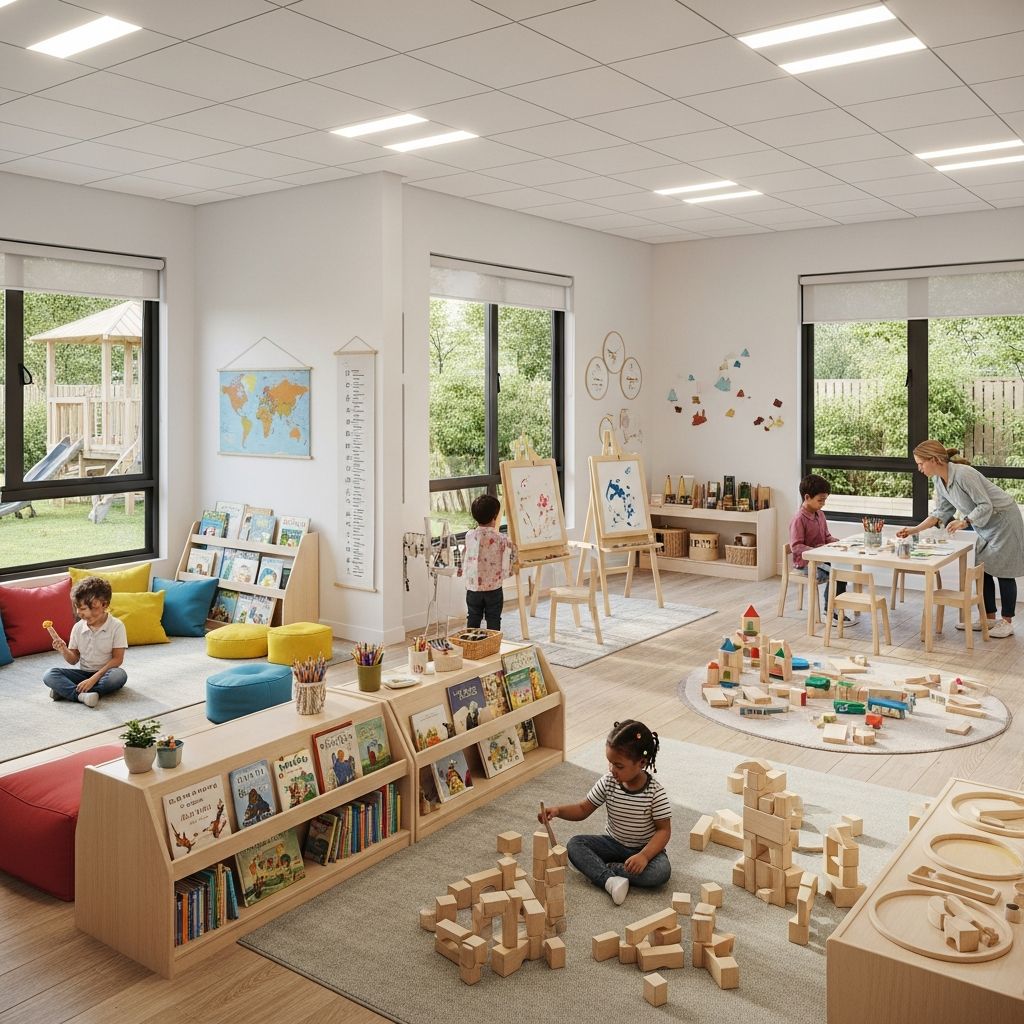
Creating Intentional Environments for Growing Children
The spaces where children spend their time play a fundamental role in shaping their experiences, creativity, and sense of belonging. Well-designed children’s environments go far beyond aesthetic appeal—they provide the foundation for play, learning, and emotional development. When parents and designers invest thoughtfully in creating purposeful spaces, they communicate to children that their environment matters and that they matter. This approach recognizes that children deserve the same design consideration typically reserved for adult living areas, if not more.
Thoughtful design for children’s spaces combines practical functionality with imaginative elements that inspire curiosity and play. The goal is to create environments that grow with your child, adapting to their changing needs and interests while maintaining a cohesive design vision. Whether designing a nursery, bedroom, or dedicated play area, understanding the principles of child-centered design transforms ordinary rooms into spaces that genuinely support childhood flourishing.
The Foundation: Starting with Quality Design Principles
Before introducing themed elements or decorative accessories, establishing a strong foundational design creates a framework that remains relevant as children grow. This foundation includes selecting appropriate color palettes, durable materials, and flexible furniture arrangements that can easily transition as your child’s needs evolve. High-quality foundational design ensures that spaces don’t feel dated or require complete overhauls every few years.
Begin by considering the room’s proportions, natural lighting, and how traffic flows through the space. Select wall colors that serve as a neutral backdrop—warm whites, soft grays, or muted pastels provide versatility while creating a calm environment. Choose flooring materials that withstand the wear and tear of active play while remaining easy to clean and maintain. These foundational choices create a lasting base upon which you can layer personality and themed elements.
Quality Materials and Durability
Investing in durable materials from the start reduces the need for frequent replacements and creates safer environments. Consider using paint finishes that resist staining and scuffing, furniture constructed from solid wood or high-quality composites, and textiles designed for frequent washing. When materials can withstand the realities of childhood—spills, stains, active play—the space remains beautiful and functional over time.
Flexible Furniture Arrangements
Select furniture that serves multiple purposes and can be easily reconfigured as needs change. A low storage unit can transition from storing diapers and baby supplies to displaying toys and books. Wall-mounted shelving provides display space without consuming floor area needed for play. Beds with built-in storage or modular seating systems adapt to different room layouts and uses.
Layering in Texture and Pattern for Visual Interest
Once foundational elements are established, layering in textures and patterns creates visual richness without overwhelming the space. Soft textures—whether through area rugs, cushions, blankets, or upholstered furniture—make spaces feel inviting and comfortable. Patterns introduce personality and can be easily changed through removable elements like wallpaper, textiles, and artwork.
The key to successful pattern and texture layering is maintaining balance. Introduce patterns in varying scales, mixing small geometric prints with larger botanical or narrative patterns. Layer textures through different materials: natural wood, soft fabrics, smooth plastic toys, and woven baskets create tactile variety. This approach prevents spaces from feeling either too busy or too sterile.
Pattern Strategies That Grow with Children
- Use patterns on removable elements like pillows, artwork, and rugs rather than permanently on walls
- Select timeless pattern styles that won’t feel dated as trends shift
- Balance bold patterns with solid colors to prevent visual chaos
- Incorporate patterns that can be refreshed seasonally or as interests change
Texture Combinations for Comfort and Stimulation
- Pair smooth wooden furniture with soft upholstered seating for sensory variety
- Layer area rugs for warmth and sound absorption
- Incorporate woven baskets and natural fiber elements
- Add tactile elements like cushions with different fabric finishes
Nursery Design: Creating Calming First Spaces
Nurseries require a fundamentally different design approach than spaces for older children. These rooms serve dual purposes: they’re functional spaces for parents during nighttime care and restorative environments for infants and toddlers. Effective nursery design prioritizes calm over stimulation, safety over aesthetic drama, and functionality over trend.
Color selections for nurseries should promote relaxation for both parent and child. Soft, muted tones—pale greens, warm beiges, soft blues, or gentle creams—create soothing environments without the overstimulation of bright colors or high-contrast patterns. Lighting design is equally important; dimmable lights allow for nighttime feeding and diaper changes without fully waking either caregiver or child.
Essential Nursery Elements
| Element | Purpose | Design Consideration |
|---|---|---|
| Lighting | Support nighttime routines and daytime naps | Include dimmable options and soft, warm light sources |
| Storage | Organize supplies and keep space uncluttered | Use closed storage to reduce visual chaos |
| Flooring | Provide comfort and safety | Layer soft rugs over easy-to-clean base flooring |
| Window Treatments | Control light for sleep support | Use blackout options during nap times |
Toddler Transitions: Evolving Spaces as Children Grow
As children transition from infancy to toddlerhood, their rooms should reflect their increasing independence and curiosity. This evolution requires thoughtful planning to honor what worked in the nursery phase while introducing elements that support toddler development. The transition from crib to toddler bed often marks this shift, presenting an opportunity to reimagine the entire space.
Toddler-appropriate rooms balance safety with opportunities for exploration and play. Storage becomes increasingly important as toys multiply, and accessibility matters more as children begin selecting and retrieving their own items. Wall decorations can become more playful, introducing subtle themes or patterns that capture developing interests without overwhelming young minds.
Supporting Toddler Independence
- Create low-level storage so toddlers can access toys independently
- Use child-sized furniture that reinforces autonomy and reduces dependence on adult-sized pieces
- Incorporate open shelving to display favorite books and toys
- Include a cozy reading or quiet corner for downtime
- Ensure all design elements meet current safety standards
Outdoor Play Spaces: Extending Childhood Wonder Beyond Walls
Well-designed outdoor spaces extend the philosophy of thoughtful children’s design beyond interior rooms. Backyards, patios, and play areas offer opportunities for physical activity, sensory exploration, and imaginative play. Quality outdoor design includes dedicated zones for different types of play, access to natural elements, and protection from weather.
Outdoor spaces benefit from similar design principles as interior rooms: thoughtful color coordination, quality materials, and flexible arrangements that accommodate growth. Permanent structures like playhoses, swing sets, or sandboxes should be positioned to create clear sightlines for supervision while allowing children to feel a sense of adventure and independence.
Zones for Outdoor Play
- Active Play Zone: Space for running, climbing, and physical games
- Imaginative Play Zone: Playhouse or covered structure for pretend play
- Quiet Zone: Shaded area with comfortable seating for reading or rest
- Sensory Zone: Areas featuring natural elements like plants, water features, or sand
- Viewing Zone: Parent seating with clear sight lines to all play areas
Incorporating Imaginative Elements Without Overwhelming Design
While foundational design and functional elements form the backbone of children’s spaces, imaginative elements add personality and spark creativity. However, successfully incorporating imaginative themes requires restraint and sophistication. The most effective designs use subtlety rather than heavy-handed theming, allowing children’s imaginations to fill in details rather than prescribing complete narrative environments.
Imaginative elements work best when integrated into the foundational design rather than layered on top of it. A subtle forest mural serves as backdrop for play rather than the defining feature. Storybook-inspired art prints displayed thoughtfully create visual interest without creating a theatrical environment. This approach ensures that spaces remain functional and adaptable rather than becoming novelty rooms that feel dated quickly.
Balancing Imagination with Practicality
- Use removable wallpaper or wall decals that can evolve as interests change
- Select artwork that complements rather than dominates the space
- Incorporate imaginative elements through accessories that can be easily updated
- Allow children’s input in design choices to ensure personal connection
- Avoid permanently committing to specific character or trend-based designs
The Psychological Impact of Well-Designed Children’s Spaces
Research consistently demonstrates that environmental design influences child development, behavior, and well-being. Thoughtfully designed spaces that reduce visual chaos promote focus and calm. Environments that incorporate natural elements and soft materials create psychological comfort. Spaces that offer appropriate challenges and opportunities for play support cognitive and physical development.
When children inhabit beautiful, well-maintained spaces designed with their needs in mind, they internalize messages about their own value and importance. These spaces communicate that childhood matters, that play is valuable, and that aesthetics contribute to quality of life. This understanding extends beyond childhood, shaping lifelong appreciation for thoughtful design and intentional living.
Practical Implementation: Staging Your Design Vision
Transforming design concepts into reality requires realistic planning and phased implementation. Most parents cannot redesign entire spaces simultaneously, nor is this advisable given how quickly children’s needs and interests evolve. A strategic approach prioritizes foundational elements first, then layers in additional features as budget and energy allow.
Phase One: Foundation
Begin with walls, flooring, and lighting. These elements form the backdrop for everything else and are most disruptive to change after installation. Select neutral, durable options that will remain appropriate through multiple developmental stages.
Phase Two: Furniture and Storage
Invest in quality, flexible furniture pieces that will grow with your child. Prioritize storage solutions that help maintain an organized, visually calm space. This phase establishes the functional framework.
Phase Three: Textiles and Soft Furnishings
Layer in comfort through area rugs, curtains, bedding, and cushions. These elements can be easily changed to refresh the space without major expense or disruption, making them ideal for incorporating current interests or seasonal updates.
Phase Four: Decorative Accents and Imaginative Elements
Add personality through artwork, wall decals, and thematic accessories. These removable elements allow maximum flexibility as children grow and interests evolve.
Frequently Asked Questions
How can I design a child’s space that will grow with them over multiple years?
Focus first on establishing neutral, quality foundational elements like wall colors, flooring, and durable furniture. Layer in personality through removable elements like artwork, textiles, and accessories that can be easily updated as your child grows and their interests change. This approach keeps foundational investments stable while allowing flexibility in aesthetic elements.
What color palettes work best for children’s spaces?
Soft, muted tones—pale greens, warm neutrals, gentle blues, and soft grays—create calming environments that remain appropriate through multiple developmental stages. These colors provide a versatile backdrop for adding personality through accessories and artwork without becoming visually overwhelming or feeling dated.
How do I balance safety with design in children’s spaces?
Ensure all design choices meet current safety standards, including furniture stability, non-toxic materials, appropriate finishes, and age-appropriate elements. Quality design and safety are complementary—well-constructed pieces using quality materials naturally tend to be safer and more durable.
Should children have input in designing their own spaces?
Yes, age-appropriate involvement increases children’s sense of ownership and connection to their spaces. Younger children can choose from curated options, while older children can participate more fully in planning. This involvement doesn’t mean children have unlimited creative control but rather meaningful input within a well-considered overall design framework.
How often should children’s spaces be redesigned?
Rather than complete redesigns, plan for gradual evolution as children grow. Update removable elements like artwork, textiles, and accessories as interests change or every 2-3 years. Reserve major foundational changes for significant transitions like moving from toddler bed to regular bed or transitioning to a new developmental stage.
References
- 7 Magical Kids’ Bedroom Ideas That Will Grow Alongside Them — Circu Magical Furniture. November 1, 2024. https://blog.circu.net/interior-design/7-magical-kids-bedroom-ideas-that-will-grow-alongside-them/
- 20 Whimsical Playroom Ideas Your Kids Will Love — Neon Trends Blog. Neon Earth. https://www.neonearth.com/blog/20-whimsical-playroom-ideas-your-kids-will-love/
- The Magical Spaces from Childhood That Still Influence Us Today — Mark Lam, Ph.D., AIA, LEED AP. Pfluger Architects. https://pflugerarchitects.com/small-spaces-the-magical-spaces-from-childhood-that-still-influence-us-today/
- Kids Spaces: Our Favorite Designs — The Handmade Home. https://www.thehandmadehome.net/kids-spaces-our-favorite-designs/