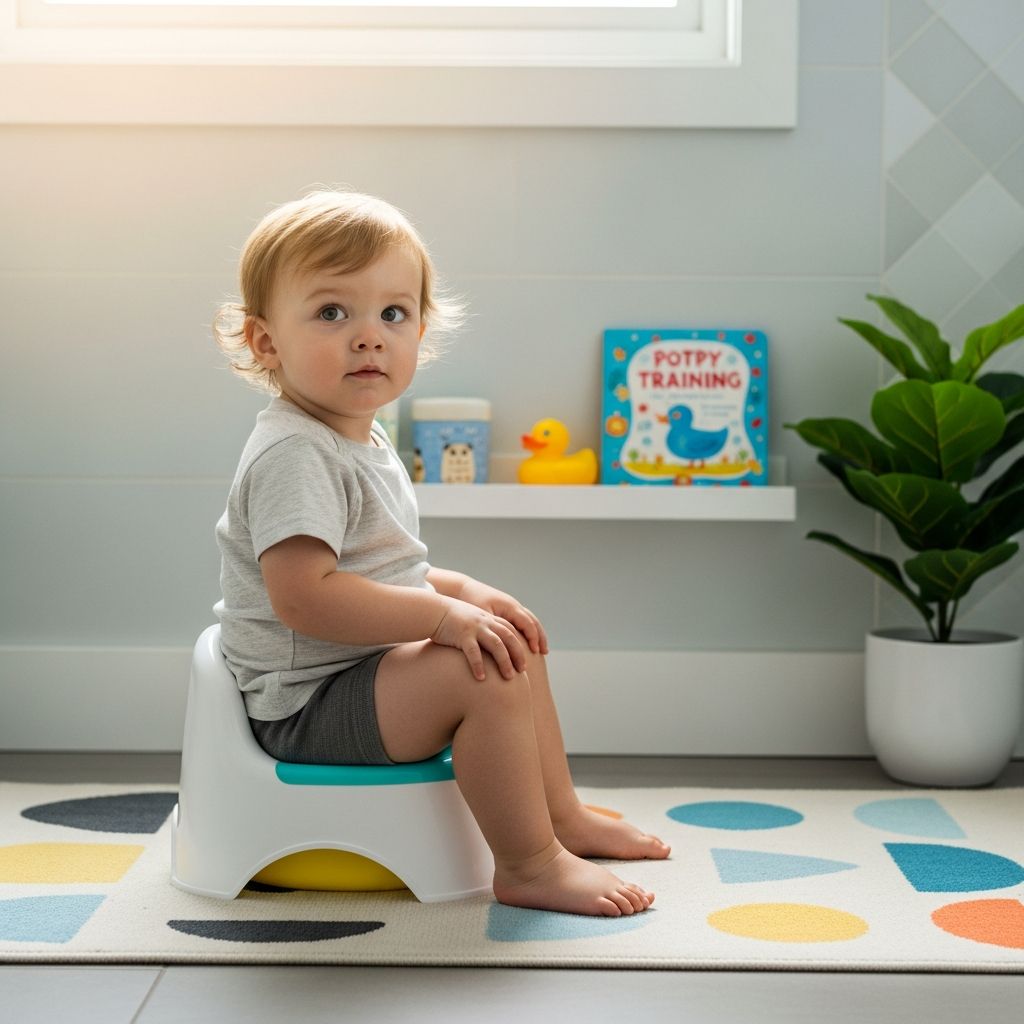
Understanding Intensive Potty Training Methods
Potty training is a significant developmental milestone that requires careful planning and consistent effort from caregivers. While some children progress gradually over several months, others respond well to intensive, focused approaches that compress the learning timeline. An intensive training method concentrates the learning process into a dedicated period, typically spanning a weekend or short week, creating an immersive environment where the child receives constant guidance and reinforcement. This approach works particularly well for families with busy schedules or children who respond positively to concentrated practice and immediate feedback.
The intensive method differs fundamentally from gradual approaches by establishing a clear beginning and end point, allowing families to measure progress and celebrate achievements within a defined timeframe. Rather than sporadic attempts over months, this strategy dedicates specific days to intensive practice, maximizing opportunities for the child to develop muscle memory and understand the connection between bodily signals and appropriate responses.
Assessing Your Child’s Developmental Readiness
Before implementing any intensive training program, determining whether your child possesses the necessary developmental skills is essential. Children typically display readiness signals between ages 22 and 30 months, though some children may not be ready until closer to age three or beyond. Readiness extends far beyond chronological age and encompasses physical, cognitive, and emotional capabilities.
Key readiness indicators include the ability to follow two to three sequential directions, communicate basic needs verbally, demonstrate interest in bathroom habits, and maintain dryness for extended periods. Children should be able to express hunger, tiredness, discomfort, and other needs through words or clear gestures, which directly correlates with their capacity to communicate urgency regarding bathroom needs. Additionally, children must possess sufficient gross motor coordination to sit comfortably on a toilet seat and manage the physical mechanics involved.
Physical readiness also encompasses bladder control development. Children who remain dry during naps or nighttime sleep have typically developed the neurological maturity necessary for daytime training. Observe your child for signs of awareness when elimination occurs—some children pause activity, show facial expressions of concentration, or verbally indicate the need to use the bathroom.
Pre-Training Foundation Building
Establishing a foundation months before implementing intensive training significantly increases success rates. Beginning preliminary preparation around age two-and-a-half allows children to develop familiarity with bathroom routines and normalize the concept of using the toilet.
Creating Positive Associations
Introduce bathroom concepts through age-appropriate books, videos, and casual conversations. Allowing children to observe family members using the bathroom (when comfortable) demystifies the process and normalizes it as a regular part of daily life. Some families find that entertaining, educational videos featuring children successfully using the toilet help children visualize themselves in the process and reduce anxiety or uncertainty.
Shopping together for child-sized toilet seats, stepping stools, and special underwear featuring favorite characters transforms potty training into an exciting event. Allowing children to select these items increases investment and enthusiasm. Similarly, choosing a special reward system—whether stickers, small toys, or privileges—gives children something concrete to work toward.
Developing Bathroom Familiarity
Encourage your child to sit on the toilet or training potty while fully clothed to build comfort and reduce fear of the unfamiliar equipment. This gradual exposure removes the intimidation factor and allows children to adjust to the sensation of sitting on the seat. Some children benefit from decorating the bathroom space with encouraging posters or making it feel like a special area designated for their training success.
Preparing for Intensive Training Implementation
Selecting the appropriate timing requires honest evaluation of family circumstances. The ideal scenario involves a period when at least one caregiver can remain home and maintain laser-focused attention on the child throughout designated days. A long weekend, short vacation week, or period when both parents can coordinate schedules works best.
Environmental Setup
Prepare your home environment strategically before day one begins. Stock the bathroom with essential supplies including child-sized underwear featuring appealing characters or designs, toilet-friendly wipes accessible to your child, a sturdy step stool, a child toilet seat adapter, and any comfort items your child enjoys. Place absorbent liners or waterproof pads on furniture where your child typically sits to simplify cleanup and reduce anxiety about accidents.
Keep the bathroom door accessible and remove barriers that might prevent quick access. Some families find that placing a small potty chair in the main living area during initial days eliminates travel time and keeps the focus on bathroom activities.
Fluid and Nutrition Strategy
Plan to increase your child’s fluid intake significantly during training days. Offer water, diluted juice, or other preferred beverages frequently throughout each day. More bathroom visits create more opportunities for success and help your child recognize the signals their body sends before needing elimination. However, avoid excessive caffeine or substances that might irritate the bladder.
Maintain regular meal times and offer foods your child enjoys, but time meals strategically to avoid overwhelming digestive activity during early training phases. Some children experience increased bowel activity when nervous or excited, so light, easily digestible foods work best initially.
Day-by-Day Implementation Strategy
Day One: Establishing the Foundation
Begin immediately after your child wakes in the morning. Before dressing, explain in simple, positive language that they are now big enough to use the potty like older kids and adults. Avoid shaming language or pressure; instead, frame it as an exciting transition. Dress your child in easy-to-remove underwear and comfortable clothing without complicated fastenings.
Set a timer for every 30 minutes during the entire day. When the timer sounds, guide your child to the bathroom or potty chair without negotiation. The consistency of regular bathroom visits establishes a predictable pattern and creates numerous opportunities for success. Sit with your child during these scheduled times, allowing them to sit for approximately two minutes to experience the sensation and provide their body time to respond.
Respond immediately to any indication that your child needs to eliminate. If they show signs of needing the bathroom—holding themselves, squirming, verbal cues, or change in behavior—walk them to the bathroom immediately. Celebrate successful elimination enthusiastically but matter-of-factly, avoiding overly dramatic reactions that might pressure sensitive children.
Expect multiple accidents on day one. This is completely normal and part of the learning process. Clean accidents quickly and calmly without anger or shame, then remind your child gently that urine and stool belong in the potty. Some children develop anxiety if accidents trigger negative reactions, so maintaining a calm, encouraging demeanor is critical.
Day Two: Refining and Building Confidence
Continue the every-30-minute bathroom schedule on day two. By this point, many children begin recognizing their body’s signals more readily, and you may observe fewer accidents. Some children start voluntarily indicating bathroom needs as they develop awareness.
If your child resists using the potty for bowel movements, avoid forcing the issue. Some children need additional time to feel comfortable with this aspect of training. Gentle encouragement, positive reinforcement, and patience help overcome bowel training resistance. Some families find that reading stories or singing songs during bathroom sitting time helps children relax and feel less pressured.
By day two afternoon, you may notice your child beginning to recognize their body’s signals. Celebrate this awareness enthusiastically. Some children start requesting bathroom visits or showing recognition of the need before physical elimination occurs.
Day Three: Building Independence and Extending Success
Continue bathroom visits at regular intervals, though spacing can increase to every 45 to 60 minutes if your child demonstrates consistent success. Many children show significant improvement by day three, having experienced dozens of successful bathroom visits and established neural pathways connecting their bodily signals to appropriate responses.
Introduce a modified test of their developing skills by visiting a public location—a park, playground, or store—with minimal extra supplies. This real-world practice helps children generalize their learning beyond the home environment. Bring portable potty seats or wipes for public restrooms if your child needs familiar equipment.
The third-day outing serves dual purposes: it demonstrates to your child that their skills apply in different environments, and it provides valuable information about readiness and confidence levels. If accidents occur during outings, handle them matter-of-factly and return home calmly without suggesting failure or disappointment.
Post-Intensive Training Transition
Week Two Adjustments
Following the intensive three-day period, gradually reduce the frequency of prompted bathroom visits if your child consistently demonstrates awareness and success. Many children transition to bathroom visits every 60 to 90 minutes while maintaining schedule visits upon waking, before meals, and before bed.
Continue using pull-ups or training pants during nap time and nighttime sleep, as daytime and nighttime training develop independently. Nighttime training typically requires additional months or even years of development as it involves different neurological processes than daytime control.
Maintaining Progress and Managing Setbacks
Regression occasionally occurs when children experience stress, transition to new environments, welcome siblings, or face other significant changes. Respond to regression with patience rather than frustration, as it typically indicates a temporary response to life changes rather than lost learning. Return to more frequent bathroom reminders and scheduled visits without retelling the intensive training period.
Some children experience occasional accidents even after demonstrated mastery. This is developmentally normal and does not indicate failure. Continue encouraging bathroom use without shaming, and clean accidents efficiently without making them sources of family drama.
Addressing Common Challenges
Resistance to Bowel Training
Many children train for urination more readily than bowel movements, as the latter can feel more physically uncomfortable or emotionally complex. Some children fear losing a part of themselves or express anxiety about the process. Address this resistance with patience, positive modeling, and gentle persistence rather than force. Reading stories about bowel training, using dolls to demonstrate the process, or simply waiting longer can help overcome this hurdle.
Fear of the Toilet
Some children express fear related to the sound of flushing, the sensation of sitting on an unfamiliar seat, or anxiety about falling. Start with a child-sized toilet seat or portable potty chair to increase comfort and security. Allow your child to flush or not flush based on their comfort level, and avoid forcing exposure to frightening elements until they feel ready.
Regression and Accidents
Accept that occasional accidents represent normal development rather than failure. Respond to accidents by cleaning efficiently, reminding your child about appropriate bathroom use, and moving forward without dwelling on the mistake. Excessive attention to accidents can create anxiety that paradoxically increases their frequency.
Special Considerations for Different Learning Styles
Children have varied learning preferences and personality types that influence how they respond to intensive training. Some children thrive with structured, predictable schedules and appreciate the focused attention intensive training provides. Others become anxious with pressure or intensity and benefit from modified approaches that maintain core intensive principles while allowing more flexibility and autonomy.
Active, movement-oriented children often succeed quickly with intensive methods because they enjoy the frequent movement between activities and the physical engagement of the process. Sensitive children may need additional emotional reassurance and celebration of small victories. Children who are naturally independent might respond better to approaches emphasizing their growing autonomy and capability.
Frequently Asked Questions
What is the success rate of intensive potty training methods?
Many families report that intensive methods result in daytime training completion within three days to three weeks, though individual outcomes vary significantly based on child readiness, consistency, and family circumstances. The average timeline across all potty training methods is approximately three months, so intensive approaches often accelerate this timeline for ready children.
Can intensive training be modified for children in daycare or preschool?
Yes, intensive training can be initiated during weekends and extended through coordination with daycare providers. Many daycare facilities actively support training once parents establish the foundation, providing consistency across environments. Starting intensive training on a Friday allows the weekend for focused practice, with daycare continuation Monday forward.
Should I use pull-ups or underwear during intensive training?
Traditional intensive methods recommend using underwear to help children develop awareness of wetness, though some families successfully use pull-ups during initial phases. The key distinction is consistency—choose one approach and maintain it throughout the intensive period rather than switching between pull-ups and underwear, which can confuse children about expectations.
How do I know if my child is truly ready versus simply compliant?
True readiness involves demonstrated physical capabilities (staying dry for extended periods), communication skills (expressing needs), and cognitive understanding (following directions). Genuine readiness often results in relatively quick success, while attempting training with an unready child typically creates frustration and repeated accidents.
What should I do if intensive training isn’t working after three days?
If minimal progress occurs after three intensive days, your child may need additional developmental time before training becomes efficient. Pause the intensive effort, return to diapers or pull-ups without shame, and reassess readiness signs in several weeks or months. Pushing an unready child typically creates negative associations with bathroom training.
How do I handle accidents in public spaces during intensive training?
Bring minimal extra clothing and supplies on outings, and respond to accidents calmly and efficiently. Clean your child, change clothing matter-of-factly, remind them about using the potty, and continue the outing. This teaches that accidents happen and life continues, without creating dramatic consequences that increase anxiety.
References
- Developmental Milestones: Toilet Training — Centers for Disease Control and Prevention. 2023-08-22. https://www.cdc.gov/ncbddd/actearly/milestones/index.html
- Toilet Training: Getting Started — American Academy of Pediatrics. 2023. https://www.healthychildren.org/English/ages-stages/toddler/toilet-training/Pages/default.aspx
- Early Childhood Development: Cognitive and Physical Readiness — U.S. Department of Education, Office of Special Education Programs. 2024. https://www2.ed.gov/programs/osepidea/
- Child Anxiety and Learning: Behavioral Responses to New Situations — American Psychological Association. 2025-01-10. https://www.apa.org/science/about/psa/child-development
- Parental Involvement in Early Childhood Training Programs — National Association for the Education of Young Children (NAEYC). 2024. https://www.naeyc.org/