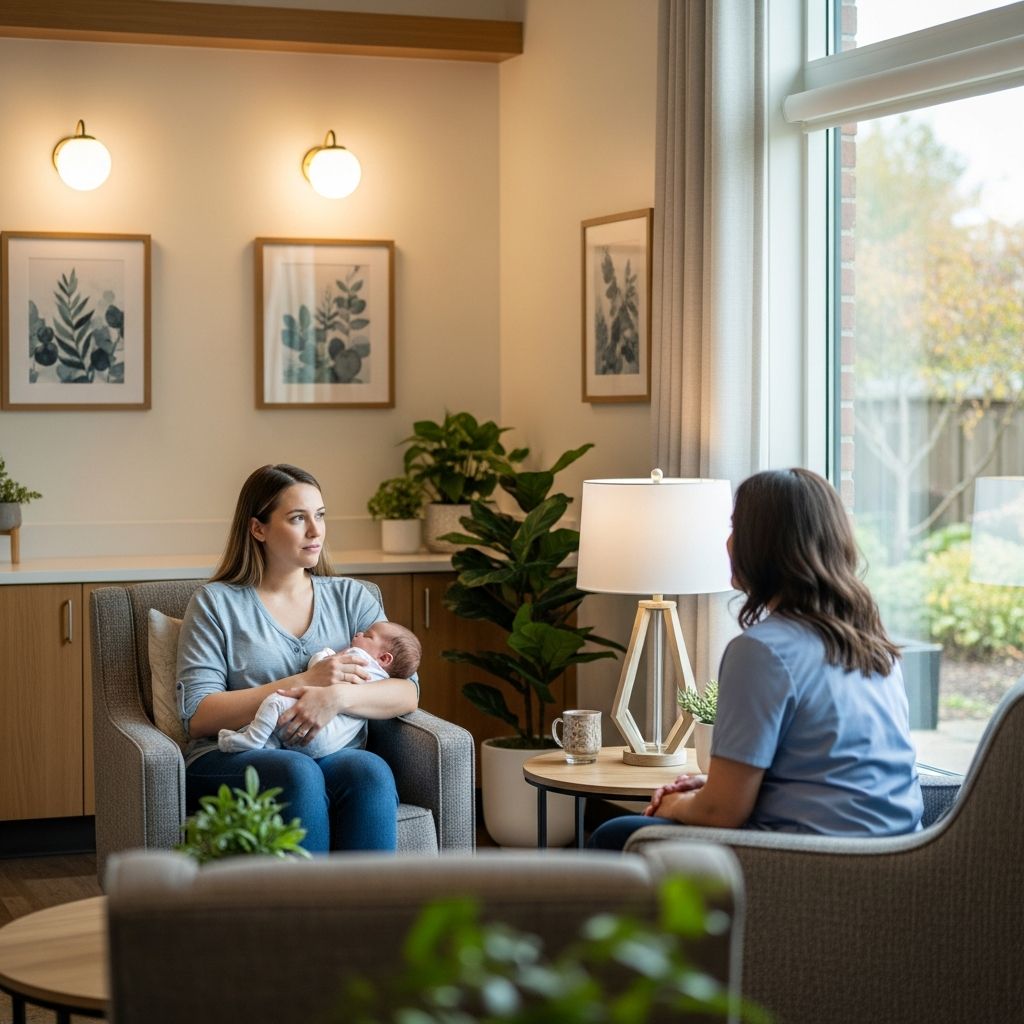
Severe postpartum depression affects approximately one in seven new mothers, yet half of cases remain undiagnosed, leaving many to suffer in silence. For some, outpatient support falls short, leading to the critical decision of inpatient psychiatric care. This article delves into the realities of this path, drawing from diverse personal experiences and clinical insights to illuminate symptoms, treatment processes, recovery journeys, and vital resources.
Understanding the Shadows After Birth
The postpartum period brings profound joy for many, but for others, it unleashes overwhelming darkness. Postpartum depression (PPD) manifests as persistent sadness, anxiety, irritability, and detachment from the newborn. Unlike the fleeting ‘baby blues’ that resolve within two weeks, PPD can emerge days after delivery or up to a year later, impacting 10-15% of new mothers. Risk factors include personal or family history of depression, traumatic births, and sleep deprivation.
Symptoms escalate beyond mild mood swings: overconcern or negative feelings toward the baby, appetite and sleep disturbances, hopelessness, panic attacks, fatigue, and cognitive fog. One mother described feeling ‘like I was dying’ during intense panic episodes post-return to work, despite initial antidepressant prescriptions. Another battled ‘weird anxiety’ at night, hiding her turmoil to avoid seeming ‘crazy.’ These accounts underscore how PPD disrupts bonding, daily functioning, and self-perception, often alternating ‘good days’ with debilitating lows.
When Outpatient Care Isn’t Enough
Initial interventions like therapy, counseling, or medication help many, but severe cases demand more intensive support. A first-time mom with endometriosis history pushed through exhaustion by ‘going, going, going,’ only to learn from counseling that overactivity masked deeper PPD. Partial inpatient programs, allowing mothers to bring their babies, offer structured therapy and bonding opportunities, as one mother experienced after six-week checkups revealed her struggles.
Full inpatient psychiatric units become necessary when symptoms threaten safety—intrusive thoughts, self-harm ideation, or inability to care for self or baby. Psychiatric staff prioritize postpartum cases, recognizing their urgency over other depressions. Admission involves medical evaluations, medication adjustments, group therapy, and peer support, creating a safe haven for healing.
Personal Paths to the Ward: Real Stories of Courage
- From Vulnerability to Validation: Post-traumatic stress from a complicated birth left one mother powerless after feeling ‘so powerful’ during pregnancy. Hospital staff dismissed her as having ‘slight depression,’ with no follow-up, delaying her PTSD diagnosis for years. Journaling and community eventually aided recovery, but earlier inpatient intervention could have accelerated relief.
- Panic to Partial Program: Extended maternity leave and antidepressants weren’t enough; work triggered panic attacks. A partial inpatient stay near home, baby in tow, rebuilt her motherhood confidence: ‘I felt like I didn’t know how to be a mom.’
- Hidden Anxiety to Structured Help: Nightly anxiety plagued a thrilled new mom. Counseling revealed her ‘go-go-go’ pattern fueled overwhelm. Implementing chore lists, rest, and self-reflection led to genuine happiness nine months postpartum.
- Rejection to Reconnection: Feelings of rejection by her baby prompted inpatient care at specialized centers. Participants emerged ‘whole,’ able to nurture themselves, their child, and return to work.
These narratives highlight a common thread: isolation amplifies suffering, while professional intervention fosters breakthroughs.
The Inpatient Experience: What to Expect
Entering a psychiatric unit feels daunting, yet it’s a lifeline. Units tailored for perinatal mood disorders provide 24/7 monitoring, psychiatric consultations, dialectical behavior therapy (DBT), and infant-inclusive rooms where possible. Mothers engage in mindfulness, parenting skills workshops, and medication management.
| Aspect | Typical Features | Benefits |
|---|---|---|
| Daily Schedule | Group therapy, meals, rest periods, family visits | Restores sleep-wake cycles, reduces isolation |
| Therapy Types | CBT, DBT, peer support groups | Builds coping skills, normalizes experiences |
| Baby Integration | Rooming-in or nursery support | Strengthens bonding, eases guilt |
| Discharge Planning | Outpatient referrals, family education | Ensures sustained recovery |
Stays last 5-14 days on average, with progress measured by reduced suicidal ideation and improved mood stability. Staff emphasize postpartum’s gravity: ‘We take it the most seriously.’
Navigating Recovery: Tools and Strategies
Post-discharge, sustainability is key. Strategies include:
- Prioritizing rest: ‘Sleep when the baby sleeps’ combats fatigue.
- Nutrition: Protein-rich foods stabilize mood.
- Support networks: Friends, family, or hotlines like 1-833-TLC-MAMA (1-833-852-6262).
- Self-care routines: Chores lists prevent overload.
- Therapy continuity: Regular counseling for self-reflection.
One doctor shared her stigma-busting story: Recovery dawned when ‘every moment didn’t seem like an eternity.’ Specialized centers report transformations from regret to joy and connection.
Risk Factors and Early Warning Signs
Not all mothers face PPD, but awareness saves lives. Key risks:
- History of depression or anxiety (20-30% recurrence).
- Traumatic delivery or infertility struggles.
- Lack of support or sleep disruption.
Early signs mimic adjustment—crying spells, low energy, impatience—but persist beyond two weeks. Routine screenings at checkups catch many, yet follow-up gaps persist.
Systemic Gaps and Calls for Change
U.S. healthcare often overlooks PPD, with half undiagnosed. No universal follow-up post-discharge exacerbates this. Advocacy pushes for integrated maternal mental health screening, per SAMHSA guidelines promoting behavioral health access. Stories like these fuel momentum for policy reforms ensuring no mother falls through cracks.
Frequently Asked Questions (FAQs)
What are the main symptoms of postpartum depression?
Symptoms include persistent sadness, anxiety, sleep/appetite changes, fatigue, and bonding difficulties, lasting over two weeks.
Is inpatient treatment common for PPD?
It’s reserved for severe cases unresponsive to outpatient care, prioritizing safety and intensive therapy.
Can mothers bring their baby to inpatient programs?
Many partial or specialized units allow it to support bonding and reduce separation anxiety.
How long does recovery take after inpatient care?
Varies; many see improvement in days, with full recovery through ongoing support in weeks to months.
Where can I find immediate help?
Call the National Maternal Mental Health Hotline at 1-833-852-6262 or visit SAMHSA resources.
Empowering Hope: You’re Not Alone
Postpartum mental health challenges are treatable; inpatient care has restored countless lives. From ‘feeling rejected’ to embracing joy, mothers emerge stronger. Seek help early—your story can inspire others.
References
- ‘I felt like I was dying’: How women with postpartum depression fall through the cracks of U.S. health care — STAT News. 2023-06-26. https://www.statnews.com/2023/06/26/i-felt-like-i-was-dying-how-women-with-postpartum-depression-fall-through-the-cracks-of-u-s-health-care/
- The sun will shine again: My postpartum depression story — OSF HealthCare. N/A. https://www.osfhealthcare.org/blog/the-sun-will-shine-again-my-postpartum-depression-story
- More Stories of Hope and Healing — Office on Women’s Health. N/A. https://www.womenshealth.gov/talkingPPD/stories
- The Motherhood Center – Postpartum Depression Treatment — The Motherhood Center. N/A. https://themotherhoodcenter.com
- Postpartum Mental Health Resources — Independence Health. N/A. https://www.independence.health/services/womens-health-services/maternity-care/postpartum-mental-health-resources/
- Simone’s Story — Mental Health Care Works. N/A. https://mentalhealthcareworks.org/stories/simone/
- Emily Walvoord, MD, shares her story to combat mental health stigma — YouTube (Transcript). N/A. https://www.youtube.com/watch?v=YkfAKe2NYww
- Laurel on checking into a psychiatric unit for postpartum depression — Mother.ly. N/A. https://www.mother.ly/motherhood-understood/laurel-on-checking-into-a-psychiatric-unit-for-postpartum-depression/
- Home | SAMHSA — SAMHSA. N/A. https://www.samhsa.gov