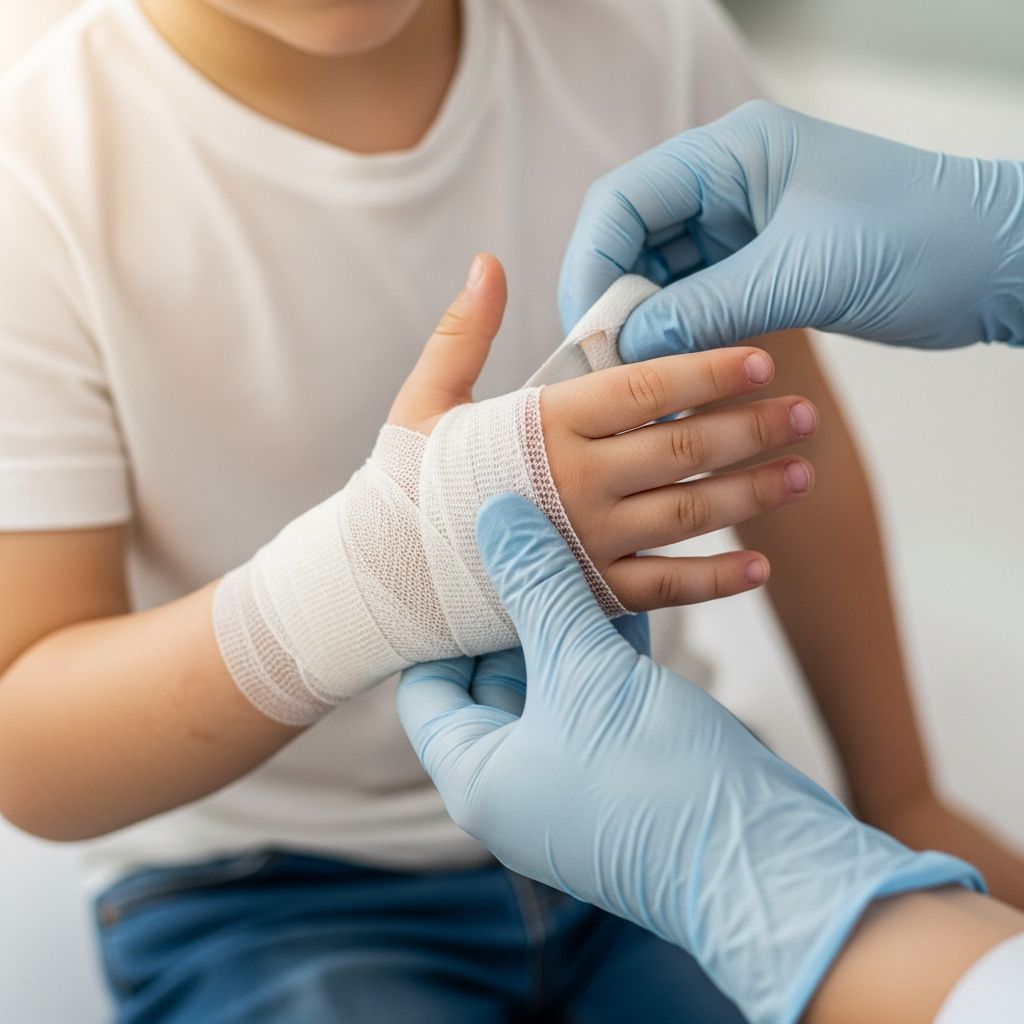
Ingrown toenails are a common foot problem for teenagers, especially for those who play sports, wear tight shoes, or trim their nails too short. They can be painful, annoying, and sometimes even lead to infection if not handled the right way. This guide explains what ingrown toenails are, why they happen, how to treat them safely, and how to keep them from coming back.
What Is an Ingrown Toenail?
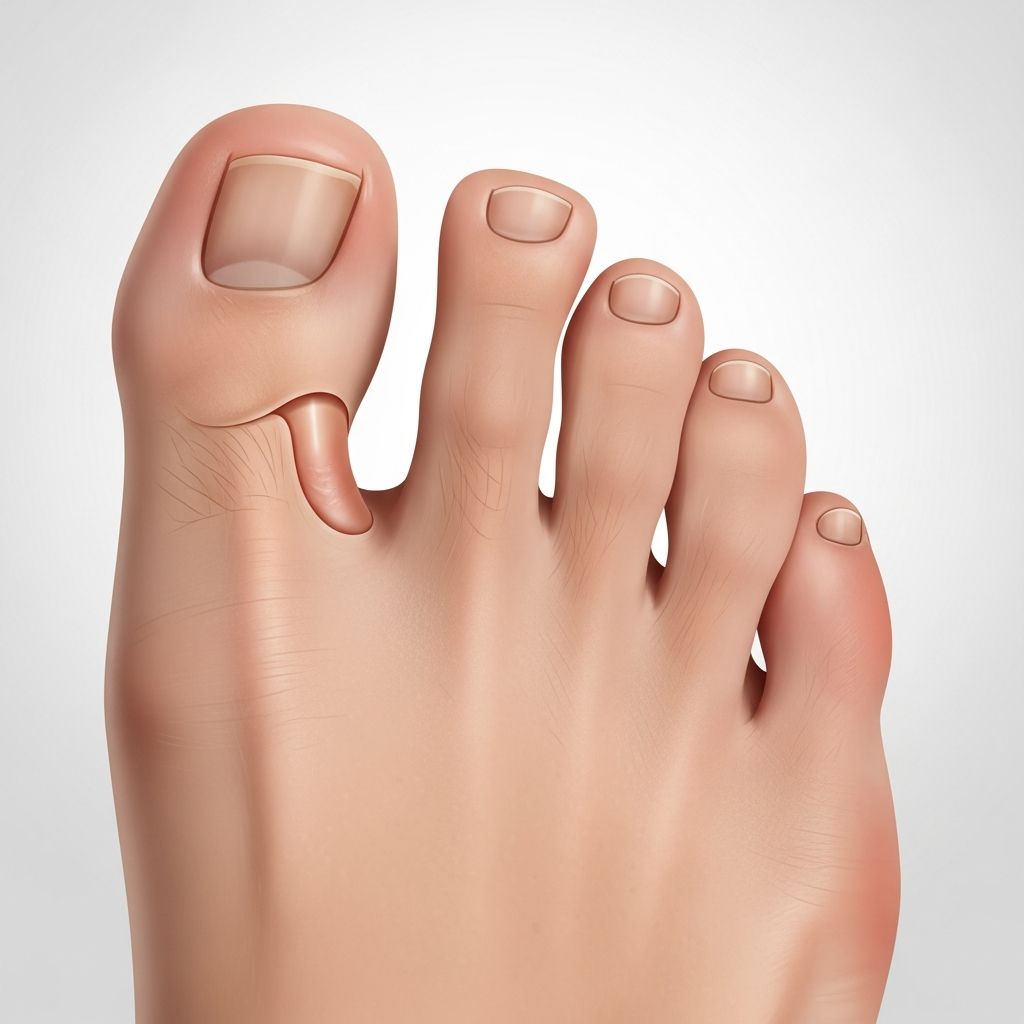
An ingrown toenail happens when the edge or corner of your toenail grows into the skin right next to it instead of straight out. Most of the time, this affects the big toe, but any toenail can become ingrown. The skin around the nail can become red, swollen, and sore because it is being pressed or cut by the nail edge.
At first, the area may just feel tender when you bump it or wear certain shoes. If the nail continues to dig into the skin, it can break the skin and allow bacteria to get in, which may cause an infection.
Why Teens Get Ingrown Toenails
Teens deal with several risk factors that make ingrown toenails more likely. Growth spurts, sports, and style choices all play a role. Understanding these factors can help you change a few habits and protect your toes.
Common Causes
- Cutting nails too short: When toenails are trimmed very short or with curved edges, the skin can fold over the nail, encouraging the nail to grow into it.
- Ripping or tearing nails: Tearing instead of cutting creates jagged edges that can dig into the skin.
- Tight shoes or socks: Footwear that squeezes your toes together pushes the nail into the surrounding skin.
- Sports and repeated pressure: Running, kicking, jumping, or sudden stops can cause repeated pressure and micro-injuries to the toenail.
- Toe injuries: Stubbing your toe, dropping something heavy on it, or jamming it during sports can change the way the nail grows.
- Natural nail shape: Some people naturally have more curved or wider nails, which are more likely to become ingrown.
Lifestyle Habits That Increase Risk
In addition to direct causes, some habits make ingrown toenails more common or more severe.
- Wearing the same sweaty shoes every day without drying them out.
- Skipping regular foot washing or drying between the toes.
- Ignoring early soreness and continuing high-impact activities.
- Self “surgery” on the nail with dirty tools or by digging into the skin.
Early Signs and Symptoms to Watch For
Knowing the early warning signs can help you deal with an ingrown toenail before it becomes a big problem. Symptoms usually start mild and can get worse if the nail keeps digging into the skin.
Typical Early Symptoms
- Tenderness or soreness along one or both sides of the toenail.
- Mild redness around the edge of the nail.
- Swelling where the nail meets the skin.
- Discomfort when wearing tight shoes or during sports.
Signs the Toenail May Be Infected
If the skin is broken or bacteria get in, an infection can develop. Pay attention to these warning signs:
- Intense, throbbing pain in the toe.
- Hot, bright red skin around the nail.
- Yellow, white, or green fluid (pus) leaking from the area.
- A bad smell coming from the toe.
- Swelling that keeps getting worse.
If you notice signs of infection, it is important to tell a parent or caregiver and see a doctor promptly instead of trying to fix it yourself.
At-Home Care for Mild Ingrown Toenails
Some mild ingrown toenails can be managed safely at home if the skin is not badly infected and you do not have medical conditions that affect healing, such as diabetes or circulation problems. Always ask a parent or guardian before starting home care.
Step-by-Step Soaking Routine
Soaking can soften the skin and nail, reduce irritation, and help relieve pain.
- Fill a clean basin or tub with warm (not hot) water.
- Optionally, add a small amount of gentle soap or salt to the water.
- Soak the affected foot for 15–20 minutes.
- Repeat this 2–3 times a day, or as advised by a healthcare professional.
- After soaking, pat the foot dry with a clean towel, especially between the toes.
Gentle Nail and Skin Care
After soaking, the area may be easier to manage. The goal is to reduce pressure on the skin and encourage the nail to grow out properly without digging deeper.
- Do not cut into the corner of the nail or dig deeply at home.
- If recommended by a healthcare provider, a small bit of clean cotton or dental floss may be gently placed under the nail edge to lift it slightly away from the skin.
- Apply an over-the-counter antibiotic ointment around the sore area if the skin is irritated but not badly infected.
- Cover the toe loosely with a breathable bandage to keep it clean while allowing air circulation.
Footwear and Activity Adjustments
Reducing pressure on the toe helps relieve pain and prevents the nail from pressing deeper into the skin.
- Switch to open-toed or wide, soft shoes until the toe feels better.
- Avoid high heels, narrow shoes, or cleats that squeeze or rub the sore toe.
- Cut back on high-impact sports if every step causes sharp pain, or talk with a coach about temporary changes.
When You Should See a Doctor
Not every ingrown toenail can or should be treated at home. Sometimes medical care is the safest and fastest way to feel better and prevent complications.
Warning Signs You Need Medical Help
- Severe pain that makes it hard to walk, wear shoes, or sleep.
- Obvious pus, spreading redness, or a very warm toe.
- Swelling that does not improve after a few days of gentle home care.
- Red, puffy tissue growing over the edge of the nail.
- Having diabetes, poor circulation, nerve damage in the feet, or a weakened immune system.
- Ingrown toenails that keep returning again and again.
What a Doctor Might Do
Seeing a doctor (often a family doctor, pediatrician, or foot specialist called a podiatrist) does not automatically mean surgery. Many treatments are quick and provide relief the same day.
- Examine the toe and ask about your symptoms and habits.
- Clean the area and trim the nail correctly.
- Prescribe an antibiotic cream or pills if there is an infection.
- In more serious cases, numb the toe and remove a small portion of the nail that is digging into the skin.
Procedures are usually done with local numbing medicine so you feel pressure but not sharp pain. Afterward, the toe is bandaged and you are given instructions on cleaning, bandaging, and activity limits while it heals.
Safe Nail-Trimming Techniques for Teens
How you cut your toenails is one of the most important factors in preventing ingrown toenails. A few small changes make a big difference over time.
Best Practices for Toenail Care
- Use clean, sharp nail clippers meant for toenails.
- Trim nails straight across instead of rounding the corners deeply.
- Leave a small bit of white nail at the tip; do not cut them extremely short.
- File rough edges gently rather than digging at them with the clippers.
- Avoid ripping, tearing, or biting toenails.
How Often to Trim
Toenails usually need trimming every couple of weeks, but it depends on how fast your nails grow. Try to trim them:
- After a shower, when nails are slightly softer and easier to cut.
- Before nails become long enough to bump repeatedly into shoes.
Choosing the Right Footwear
Footwear plays a huge role in whether toenails stay healthy or become ingrown. Teens often wear styles that look good but are hard on the toes.
Features of Toe-Friendly Shoes
- Roomy toe box that lets toes lie flat without overlapping.
- Soft material over the toes instead of stiff, crushing fabric.
- Correct shoe size in both length and width, with a little space at the front.
- Appropriate shoes for your sport or activity, with padding and support.
Footwear Habits to Avoid
- Wearing shoes that feel tight just because they match an outfit.
- Staying in damp, sweaty shoes or socks for long periods.
- Lacing shoes so tightly that your toes cannot move.
Preventing Ingrown Toenails from Coming Back
Once you have had an ingrown toenail, it is easier for it to happen again, especially if you restart the same habits that caused it. Prevention is about consistent, simple care.
Daily and Weekly Prevention Tips
- Wash your feet daily with soap and water; dry them carefully, especially between toes.
- Change socks at least once a day or more often if they get sweaty.
- Rotate shoes so each pair has time to dry completely between uses.
- Check your toes regularly for redness, swelling, or tenderness.
- Trim toenails regularly using proper technique.
Special Considerations for Athletes
If you are active in sports, your feet are under more stress, so toenail care is even more important.
- Make sure sports shoes are properly fitted, especially for running, soccer, basketball, and dance.
- Replace old shoes whose shape or padding is worn out.
- Let your coach or trainer know if a toe is hurting so you can adjust activity early.
Simple Ingrown Toenail Reference Table
The table below summarizes key points about ingrown toenails to help you quickly remember what matters most.
| Topic | Key Details |
|---|---|
| What it is | The nail edge grows into nearby skin, usually on the big toe. |
| Early signs | Redness, mild swelling, tenderness at the nail edge. |
| Possible causes | Improper trimming, tight shoes, injuries, sports pressure, natural nail shape. |
Frequently Asked Questions (FAQs)
Can I fix an ingrown toenail myself?
You may be able to ease a mild ingrown toenail by soaking your foot, wearing comfortable shoes, and caring for the nail gently. However, you should not cut deep into the nail or skin yourself, especially if there is infection, severe pain, or if you have health conditions that affect healing. When in doubt, talk to a parent or guardian and see a healthcare provider.
Is it okay to keep playing sports with an ingrown toenail?
For a mild ingrown toenail, you might be able to continue sports if the pain is low and improves with proper care and better footwear. If each step hurts, the toe looks very red or swollen, or you see signs of infection, you should take a break and get medical advice. Pushing through serious pain can worsen the problem and keep you out of activities longer.
What happens if I ignore an ingrown toenail?
Ignoring an ingrown toenail can allow it to dig deeper into the skin and increase the risk of infection. Over time, the pain may become more intense, the area may swell, and you might need a more involved treatment than if you had dealt with it early. People with certain medical conditions, like diabetes or poor circulation, face even higher risks and should seek care promptly.
Do ingrown toenails always need surgery?
No, many ingrown toenails get better with simple changes, such as better nail-trimming habits, warm soaks, and more comfortable shoes. Surgery or minor procedures are usually reserved for cases that are severe, infected, or keep coming back. A doctor will explain options and help decide what is best for your situation.
Can ingrown toenails be completely prevented?
No method can guarantee you will never have an ingrown toenail, especially if your nails naturally curve or you play intense sports. Still, proper nail care, good hygiene, and wearing shoes that fit well greatly lower your chances. Paying attention to early symptoms and acting quickly can prevent small problems from turning into major ones.
Key Takeaways for Healthy Teen Toes
Ingrown toenails are common but manageable. With smart nail trimming, comfortable shoes, and quick action when symptoms appear, most teens can avoid serious problems. If pain is strong, infection is possible, or a toenail issue keeps returning, getting professional advice is the safest way to protect your feet and stay active.