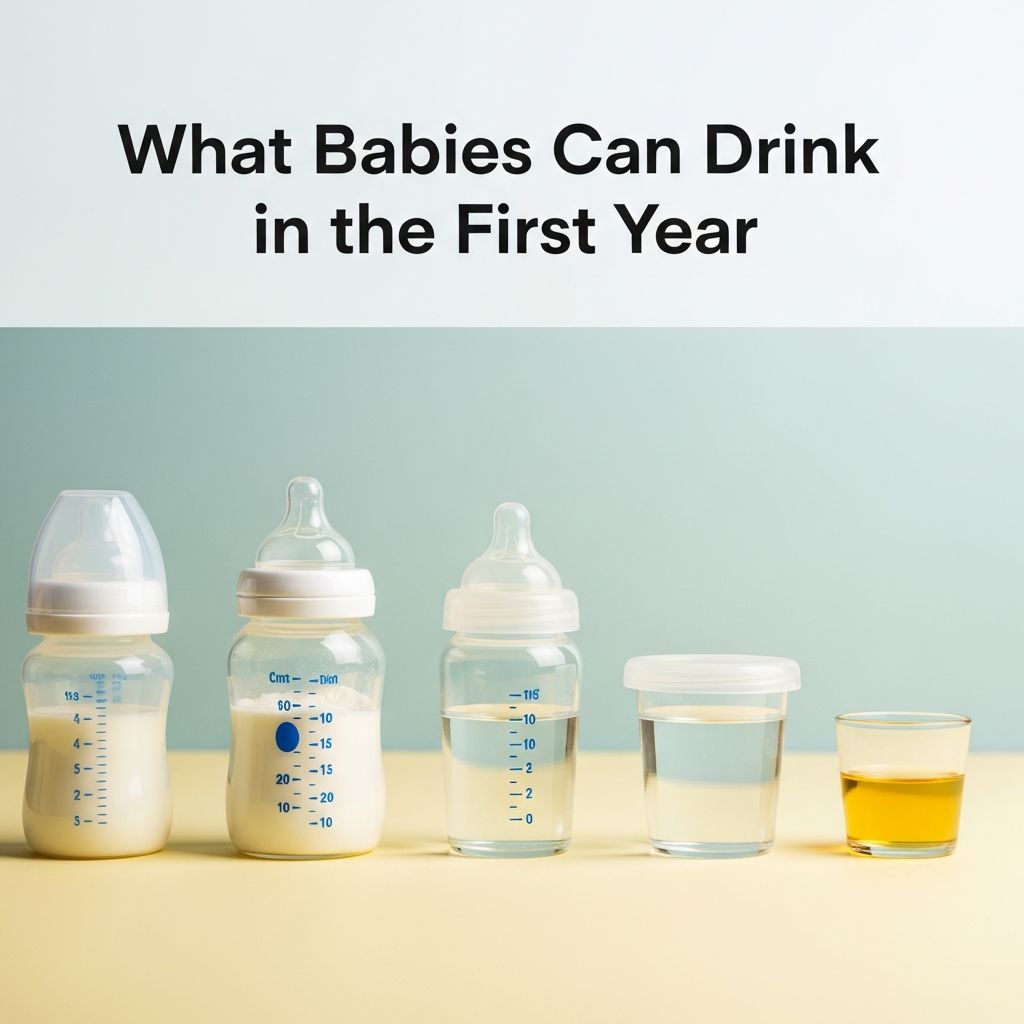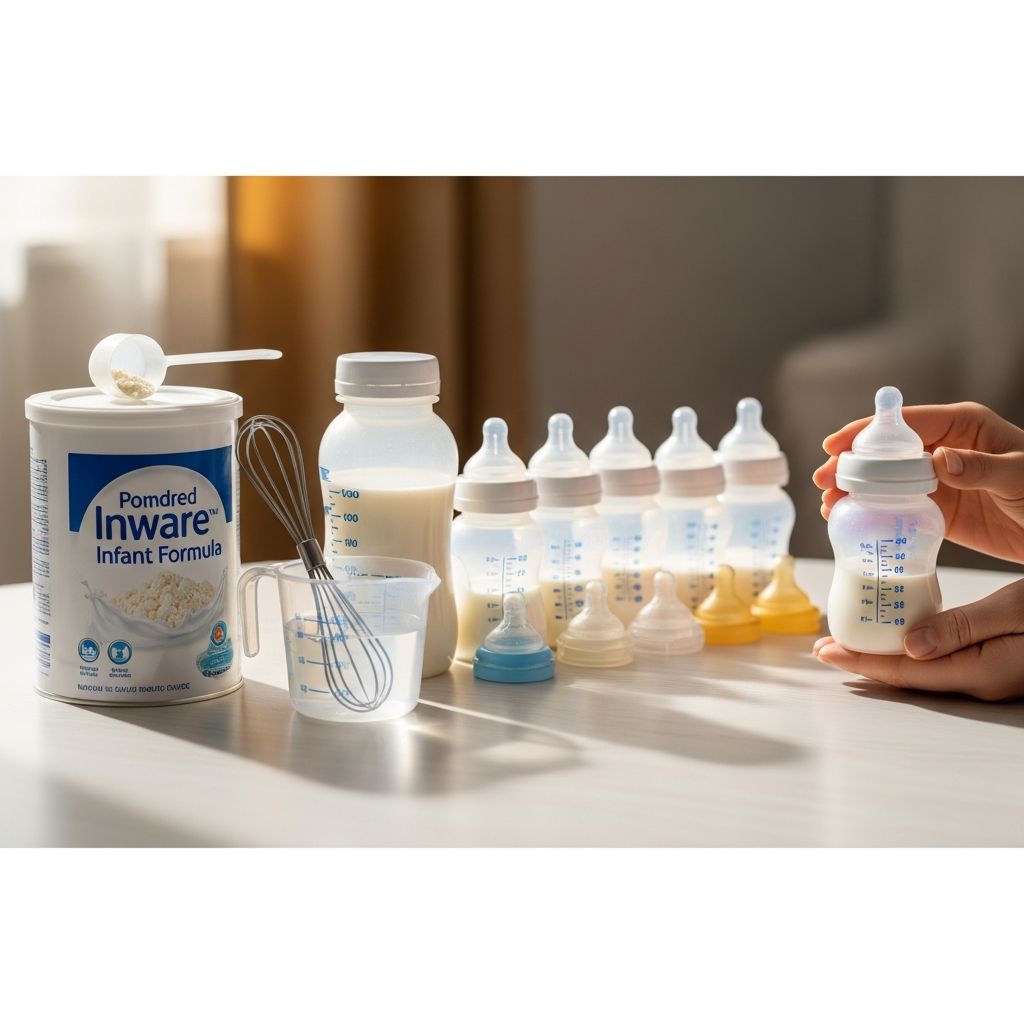
Choosing the right infant formula preparation is crucial for ensuring your baby receives optimal nutrition while fitting seamlessly into your daily routine. Infant formulas come in three primary formats: powder, concentrated liquid, and ready-to-use (RTF). Each offers distinct advantages in terms of convenience, cost, storage, and portability, allowing parents to tailor their choice to specific needs like travel, budget constraints, or time limitations.
Overview of Formula Preparation Types
Infant formulas mimic breast milk’s nutritional profile, providing essential proteins, fats, carbohydrates, vitamins, and minerals for growth and development. The preparation method primarily affects usability rather than core nutrition, though handling and storage impact safety and freshness. Powder formulas require mixing with water, concentrated liquids need dilution at a 1:1 ratio, and RTF options are pre-mixed and immediately feedable.
- Powder Formula: Most economical, longest shelf life.
- Concentrated Liquid: Balances cost and ease, requires refrigeration post-opening.
- Ready-to-Use: Ultimate convenience, ideal for on-the-go feeding.
Powder Infant Formula: Budget-Friendly and Versatile
Powder formula dominates the market due to its affordability and extended usability. It arrives as a fine, dry mix that parents reconstitute by adding precise amounts of water—typically 2 ounces of water per scoop, following package instructions. This format suits most families, especially those preparing multiple bottles daily at home.
Preparation involves boiling water (or using nursery water), cooling it to lukewarm, and scooping powder accurately to avoid over- or under-concentration, which can lead to digestive issues or nutritional imbalances. Once mixed, bottles should be used within 1-2 hours at room temperature or refrigerated for up to 24 hours.
| Pros | Cons |
|---|---|
| Lowest cost per ounce (often 50-70% cheaper than RTF) | Requires clean water and precise measuring |
| Long shelf life (unopened: 1-2 years) | Not sterile; risk of contamination if mishandled |
| Lightweight and compact for storage | Preparation time (5-10 minutes per batch) |
Powder is ideal for healthy, full-term babies without immune vulnerabilities. Brands like Similac Advance and Kendamil offer DHA-enriched options supporting brain and eye development.
Concentrated Liquid Formula: A Practical Middle Option
Concentrated liquid formula, also called liquid concentrate, provides a compromise between powder’s economy and RTF’s ease. It comes in cans as a thick syrup that dilutes 1:1 with water—equal parts formula and water—making it faster to prepare than powder.
Shake well before opening, measure equal volumes into a bottle, and mix thoroughly. Post-dilution, follow the same feeding timelines as powder: consume within 1-2 hours or refrigerate up to 24 hours. Opened cans must refrigerate and use within 48 hours, preventing bacterial growth.
This format shines for parents seeking reliability without full mixing hassle. It’s pricier than powder (about 20-30% more) but cheaper than RTF, with moderate shelf life (unopened: 6-12 months).
- Quicker prep than powder (under 2 minutes).
- Better for areas with questionable water quality.
- Suitable for occasional use alongside breastfeeding.
Examples include equivalents like Enfamil NeuroPro concentrate, matching powder nutrition.
Ready-to-Use Infant Formula: Convenience at a Premium
Ready-to-use (RTF) formula arrives pre-mixed and sterile, ready straight from the bottle—no water, no measuring. Perfect for nighttime feeds, travel, or parents with limited prep time, simply pour and warm if desired.
Storage is straightforward: unopened shelf-stable until expiration (6-12 months), opened bottles refrigerate up to 48 hours. Discard unused portions after feeding to maintain safety. RTF costs 2-3 times more than powder, reflecting manufacturing and packaging.
| Feature | Powder | Concentrate | RTF |
|---|---|---|---|
| Cost per oz | $0.10-0.20 | $0.20-0.35 | $0.40-0.60 |
| Prep Time | 5-10 min | 1-2 min | 0 min |
| Shelf Life (Unopened) | 1-2 years | 6-12 mo | 6-12 mo |
RTF excels for preemies or immunocompromised infants due to sterility, reducing contamination risks.
Beyond Preparation: Specialized Formula Varieties
Formulas vary by base beyond format: cow’s milk (most common, with DHA/Vitamin E for development), soy (lactose-free, vegan-friendly), goat milk (easier digestion), hydrolyzed (hypoallergenic for allergies), and specialty (preemie, anti-reflux).
Cow’s milk formulas like Similac 360 Total Care suit 80% of babies. Soy options like Enfamil ProSobee help with fussiness. Goat formulas (Bubs, Kendamil) offer natural fats akin to breast milk.
- Hypoallergenic: Extensively hydrolyzed proteins (Similac Alimentum) for milk allergies.
- Premature: Higher calories (Similac NeoSure).
- Sensitive: Reduced lactose (Similac Total Comfort).
Safety Guidelines for All Formula Types
Always follow FDA/WHO prep instructions to prevent errors. Use safe water (boiled/low-mineral for powder), sterilize bottles, and avoid microwaving to prevent hot spots. Check for recalls via FDA site. Consult pediatricians for switches, monitoring growth and stools.
Cost and Value Comparison
Powder saves money long-term; RTF for short-term needs. Bulk buying powder yields best value. Equivalents ensure seamless switches (e.g., Similac Advance powder to RTF).
Selecting the Best Formula for Your Baby
Consider lifestyle: home-based (powder), busy/traveling (RTF), hybrid (concentrate). Baby factors: health conditions dictate specialty bases. Trial under pediatric guidance; most settle on one type.
Frequently Asked Questions
Can I switch between formula formats?
Yes, equivalents maintain nutrition; follow mixing for liquids.
Is powder formula safe for newborns?
Yes, if prepared correctly; RTF preferred for hospitals.
How do I store opened formula?
Powder: cool/dry; concentrate/RTF: fridge 48 hours.
Which is best for gassy babies?
Sensitive/hydrolyzed varieties in any format.
Are all formulas nutritionally equal?
They meet FDA standards but vary in extras like DHA.
References
- Types of Infant Formula & How to Choose One — Bobbie. 2023. https://www.hibobbie.com/blogs/bobbieu/types-of-infant-formula-how-to-choose-one
- The Best Baby Formulas—Depending on What You Need — Babylist. 2024. https://www.babylist.com/hello-baby/best-baby-formula
- Baby Formula Buying Guide: Types, Safety & Expert Tips — Consumer Reports. 2025. https://www.consumerreports.org/babies-kids/baby-formula/buying-guide/
- Table for Formulas Categories — NASPGHAN. 2022-06-01. https://naspghan.org/wp-content/uploads/2022/06/Table-for-pdf-1.pdf
- Baby Formula Comparison Chart — Enfamil. 2024. https://www.enfamil.com/baby-formula-comparison-chart/
- Guide to Formula Equivalents — Cincinnati Children’s Hospital. 2022. https://www.cincinnatichildrens.org/-/media/Cincinnati-Childrens/Home/news/2022/guide-to-formula-equivalents.pdf