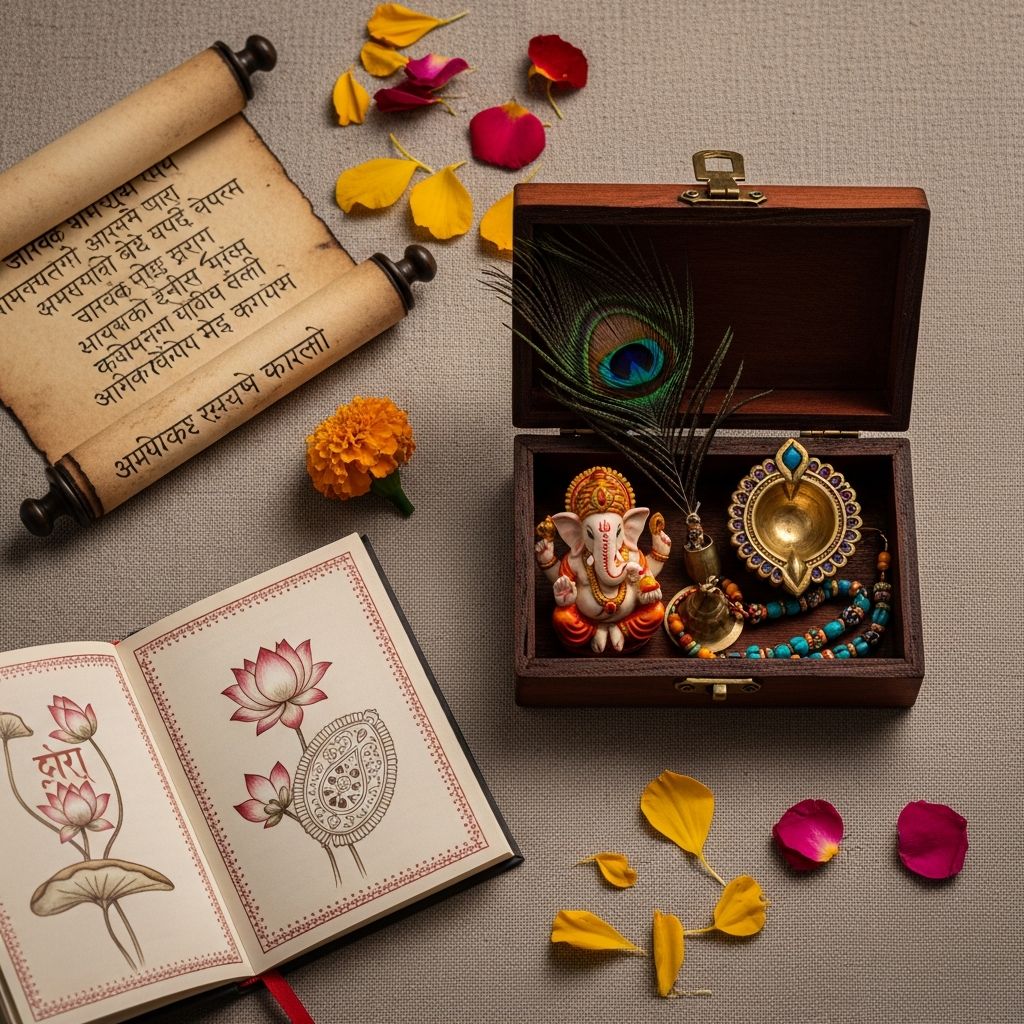
Understanding the Significance of Indian Baby Names
Selecting a name for your child is one of the most significant decisions a parent will make. In Indian culture, this choice transcends mere identification and becomes a reflection of family values, spiritual beliefs, and aspirations for the child’s future. Indian names carry profound meanings that extend far beyond their literal definitions, often embodying virtues, divine qualities, or natural elements that parents hope their children will embody throughout their lives.
The tradition of meaningful naming in India dates back thousands of years, with roots deeply embedded in Sanskrit literature, religious texts, and ancient philosophical teachings. Each name serves as a blessing and an intention, carefully selected to resonate with the family’s heritage while honoring the child’s unique identity.
The Deep Roots of Sanskrit and Hindu Traditions
Sanskrit, one of the world’s oldest languages, provides an extraordinary foundation for understanding Indian names. This ancient language is renowned for its precision in conveying complex meanings through single words, making it an ideal source for baby names that carry layered significance.
Many contemporary Indian parents choose names with Sanskrit origins because they connect their children to a rich philosophical and spiritual heritage. These names often reference qualities like strength, wisdom, compassion, and enlightenment—qualities that parents universally hope to nurture in their offspring.
Names derived from Hindu mythology and sacred texts hold particular prominence in this naming tradition. They frequently reference deities, celestial beings, or virtuous figures whose qualities parents wish to instill in their children. For instance, names connected to goddess figures often emphasize feminine strength, creativity, and divine grace.
Nature-Inspired Names: Connecting to the Natural World
The natural world provides endless inspiration for Indian baby names, reflecting the deep spiritual connection between humanity and nature in Indian philosophy. These names celebrate the beauty, power, and symbolism found in natural elements.
Celestial bodies feature prominently in this category. Names referencing the moon, stars, and sun carry connotations of illumination, guidance, and eternal beauty. Water-related names symbolize fluidity, adaptability, and life-giving properties. Plant and flower names represent growth, beauty, and purity, with each botanical reference carrying specific cultural and spiritual associations.
Names inspired by precious metals and gemstones are also popular, often symbolizing value, rarity, and enduring beauty. These nature-based names bridge the gap between modern sensibilities and traditional values, offering contemporary appeal while maintaining cultural authenticity.
Popular Names for Girls: Meanings and Significance
Indian girl names showcase remarkable diversity, each offering unique meanings that reflect the qualities parents wish to cultivate in their daughters.
| Name | Meaning | Cultural Significance |
|---|---|---|
| Aadhya | First power or primordial energy | Symbolizes leadership, strength, and the beginning of all things |
| Diya | Lamp or light | Represents hope, guidance, and spiritual illumination |
| Chandni | Moonlight | Embodies beauty, tranquility, and gentle radiance |
| Kavya | Poetry or poem | Symbolizes artistic expression, creativity, and eloquence |
| Lakshmi | Goddess of wealth and prosperity | Represents abundance, fortune, and divine blessing |
| Prisha | Beloved or God’s gift | Expresses cherished love and divine grace |
| Usha | Dawn or sunrise | Symbolizes new beginnings, hope, and fresh possibilities |
| Vanya | Gracious gift | Represents kindness, generosity, and benevolence |
Popular Names for Boys: Meanings and Significance
Male Indian names equally demonstrate the breadth of meaning and cultural depth available to parents. These names frequently emphasize qualities of courage, wisdom, leadership, and spiritual consciousness.
| Name | Meaning | Cultural Significance |
|---|---|---|
| Arjun | Bright or shining | Evokes clarity, brilliance, and divine warrior qualities |
| Gaurav | Pride or honor | Represents dignity, self-respect, and noble character |
| Neeraj | Lotus flower | Symbolizes purity, spiritual growth, and inner enlightenment |
| Nikhil | Complete or whole | Represents wholeness, unity, and comprehensive strength |
| Pranav | Sacred syllable Om | Embodies spiritual significance and cosmic consciousness |
| Rahul | Conqueror of miseries | Symbolizes resilience, strength, and overcoming adversity |
| Tejas | Radiance or brightness | Represents brilliance, vitality, and energetic presence |
| Tarun | Young or youthful | Embodies vitality, energy, and fresh potential |
Exploring Regional and Linguistic Variations
India’s linguistic diversity means that naming traditions vary significantly across regions. Different states and ethnic communities maintain distinct naming conventions that reflect their unique cultural identities and historical experiences.
The southern regions of India feature names with Tamil, Telugu, Kannada, and Malayalam roots that differ substantially from northern Sanskrit-based traditions. Eastern regions maintain their own rich naming customs influenced by Bengali and Assamese languages. The western states showcase Marathi, Gujarati, and other regional influences that create a fascinating tapestry of naming practices.
This regional diversity ensures that parents can choose names that honor their specific cultural heritage while still participating in the broader Indian naming tradition. Some families deliberately select names that reflect their ancestral roots, while others embrace the pan-Indian naming conventions that transcend regional boundaries.
The Evolution of Indian Naming Practices in Modern Times
Contemporary Indian parents increasingly navigate the intersection of tradition and globalization when selecting names for their children. Some families maintain strictly traditional practices, while others blend cultural heritage with modern sensibilities. This evolution reflects broader societal changes and parents’ desires to prepare their children for increasingly multicultural environments.
The trend toward cross-cultural naming demonstrates how Indian parents are reimagining tradition without abandoning their roots. Some parents deliberately choose names that work across multiple cultural and religious contexts, recognizing that their children may live in diverse communities. Others select names that subtly blur religious and caste boundaries, reflecting their own multicultural family structures and values.
This contemporary approach to naming honors Indian heritage while acknowledging modern realities, creating a dynamic space where tradition and innovation coexist. Parents today have greater freedom than previous generations to choose names based on personal preferences, spiritual beliefs, and future aspirations rather than rigid adherence to conventional expectations.
Spiritual and Philosophical Dimensions of Naming
In Indian philosophy, names carry spiritual weight and are believed to influence a person’s character and destiny. The practice of selecting meaningful names reflects the belief that language itself possesses transformative power. A name is not merely a label but an invocation—a daily affirmation of the qualities and virtues parents hope their children will cultivate.
This spiritual perspective on naming connects to broader Indian philosophical traditions that view language and sound as fundamental forces in the universe. The sacred syllable “Om” represents this concept, serving as the ultimate sound from which all creation emanates. Names incorporating or reflecting such spiritual concepts carry additional layers of meaning and intentionality.
For many families, the naming ceremony itself becomes a significant spiritual ritual, often performed by religious leaders or family elders who help select names aligned with astrological considerations, family traditions, and spiritual principles. This ceremonial aspect reinforces the profound importance of the naming decision within Indian culture.
Mythology as a Source of Inspiration
Hindu mythology provides an inexhaustible wellspring of names with rich backstories and symbolic meanings. Drawing from epic narratives like the Mahabharata and Ramayana, parents select names of legendary figures whose qualities they hope will guide their children’s development.
Mythological names carry implicit narratives—a child named after a goddess or divine figure inherits the symbolic associations and archetypal qualities of that deity. These names serve as ongoing reminders of spiritual ideals and virtuous characteristics celebrated across generations of Indian culture.
The depth of mythological references ensures that names chosen from this tradition resonate with historical consciousness and cultural continuity. Grandparents, parents, and children can all understand the significance of names rooted in these timeless narratives.
Practical Considerations When Choosing Indian Names
Beyond meaning and cultural significance, parents should consider several practical factors when selecting a name for their child.
- Pronunciation clarity: Consider how easily the name can be pronounced and spelled in various cultural contexts your child may encounter
- Nickname potential: Think about natural nicknames that might develop and whether they carry positive associations
- International compatibility: Assess how the name functions across different languages and cultural settings
- Initials: Ensure the initials don’t form unintended acronyms or combinations
- Family harmony: Consider how the name fits with family naming traditions and sibling names
- Personal resonance: Ultimately, choose a name that deeply resonates with your own values and vision for your child
The Role of Astrology in Indian Naming Traditions
Many Indian families consult astrological principles when selecting names, believing that certain names align better with a child’s birth chart and planetary positions. This practice, deeply rooted in Vedic traditions, suggests that names beginning with specific letters or containing particular phonetic elements can enhance positive astrological influences.
While this ancient practice remains influential in traditional families, modern parents vary in their approach—some embrace it fully, others adapt it to personal preferences, and still others view it as cultural heritage rather than binding guidance. The flexibility to engage with these traditions according to individual conviction represents another dimension of contemporary naming practices.
Frequently Asked Questions
Q: How do I choose between traditional and modern Indian names?
A: Consider your family’s values, cultural connections, and future aspirations for your child. Many parents successfully blend traditional names with modern sensibilities, creating choices that honor heritage while remaining contemporary.
Q: Do Indian names need to have Sanskrit origins to be considered authentic?
A: No. While Sanskrit offers a rich source of names, authentic Indian names also emerge from regional languages, mythological traditions, nature inspiration, and modern innovations. Authenticity comes from meaningful intention rather than linguistic origin alone.
Q: Can my child use an Indian name if we’re not from India?
A: Absolutely. Many families worldwide choose Indian names because they appreciate their meanings, cultural richness, and spiritual significance. What matters is your respect for the cultural traditions these names represent.
Q: How important is astrology in selecting an Indian name?
A: This depends on your family’s beliefs and values. While astrology holds traditional importance, modern parents have the freedom to incorporate it as much or as little as feels right for their family.
Q: What makes an Indian name meaningful?
A: Meaningful Indian names typically carry significance related to virtues, natural elements, spiritual concepts, mythological references, or family heritage. The meaning should resonate with your hopes and values for your child’s future.
References
- 200 Unique Indian Baby Girl Names for Your Little Princess — Baby Forest. Accessed January 16, 2026. https://www.babyforest.in/blogs/thoughts-and-ideas/indian-baby-girl-names-with-meanings
- Indian Boy and Girl Names for Babies and Children — Moonboon. Accessed January 16, 2026. https://moonboon.com/blogs/baby-names/indian-names
- Indian Baby Names Are Increasingly Cross Cultural — The Swaddle. Accessed January 16, 2026. https://www.theswaddle.com/indian-baby-names-are-increasingly-cross-cultural
- Top Indian Baby Names by Cultural Origin — Apollo Pharmacy. Accessed January 16, 2026. https://www.apollopharmacy.in/momverse/a/indian-baby-names-by-culture
- Indian Baby Names: Spiritual Significance & Sanskrit Origins — Naming Legacy. Accessed January 16, 2026. https://naminglegacy.com/blog/indian-baby-names-spiritual-significance