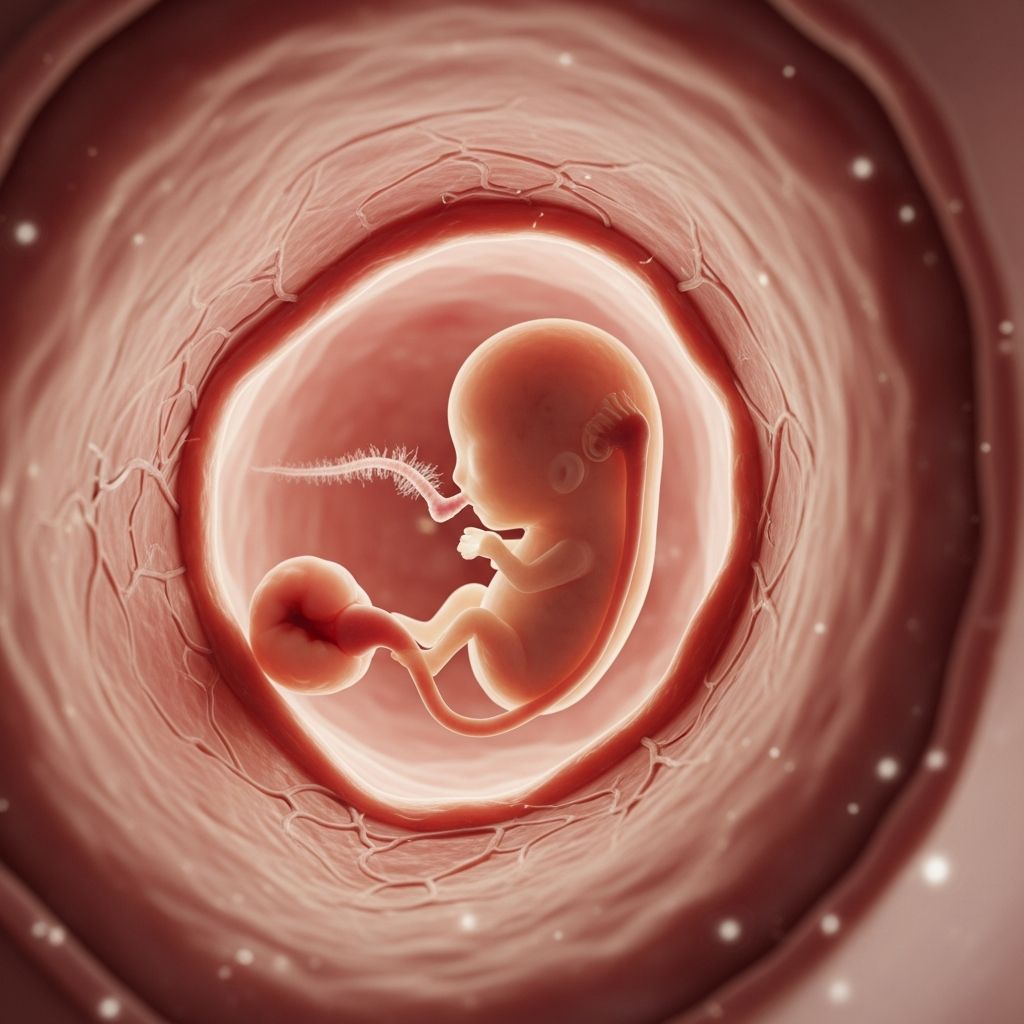
The moment a fertilized egg attaches to the uterine lining marks a pivotal step in pregnancy. This process, known as implantation, triggers hormonal surges that may produce noticeable body responses in some individuals. While not everyone experiences these, recognizing them can offer reassurance during the two-week wait after ovulation.
Understanding the Implantation Timeline
Implantation generally happens 6 to 12 days post-ovulation, aligning with the luteal phase when progesterone supports the uterine environment. The blastocyst, a early-stage embryo, burrows into the endometrium, prompting human chorionic gonadotropin (hCG) production. This hormone sustains the corpus luteum and eventually enables pregnancy test detection.
Timing varies by factors like embryo quality and hormonal balance. In natural cycles, it peaks around day 9 post-ovulation; in assisted reproduction like IVF, it follows embryo transfer schedules. Symptoms, if present, emerge shortly after, often mimicking premenstrual syndrome (PMS).
Common Physical Indicators of Attachment
Several bodily reactions stem from the rapid hormonal shifts during implantation. Progesterone rises to thicken the uterine lining, while hCG begins its ascent, influencing multiple systems.
Light Spotting or Implantation Bleeding
One hallmark is minimal vaginal bleeding, distinct from menstruation. This occurs as the embryo embeds, disrupting tiny blood vessels. Characteristics include:
- Color: Pinkish, brownish, or light red.
- Duration: Hours to 2 days.
- Volume: Spotting requiring a liner, not soaking pads or involving clots.
Up to 25% of pregnancies feature this, per clinical observations. It precedes a missed period by days, unlike heavier menstrual flow.
Mild Abdominal Discomfort
Some feel pulling, tingling, or dull aches in the lower abdomen or back. These implantation cramps arise from uterine expansion and hormonal flux, milder than menstrual cramps which throb persistently.
Progesterone relaxes smooth muscles, contributing to sensations. They last hours to days and may accompany spotting.
Breast Sensitivity and Swelling
Rising estrogen, progesterone, and hCG tenderize breasts earlier and more intensely than PMS. Nipples may darken or tingle, with veins becoming prominent. These changes signal the body preparing for lactation.
Hormonal and Digestive Responses
Beyond structural signs, systemic effects manifest as the body adapts to pregnancy support.
Bloating and Digestive Shifts
Progesterone slows gut motility, causing bloating, gas, or constipation—familiar PMS echoes but potentially amplified. This prepares nutrient absorption for fetal growth.
Nausea Onset
Though classic later, early queasiness from hCG and smell sensitivity can appear post-implantation. Progesterone delays stomach emptying, exacerbating it. Not universal immediately, but noted in sensitive individuals.
Fatigue and Energy Dips
Progesterone induces drowsiness, compounded by metabolic demands. Many report sudden exhaustion needing naps, distinct from routine tiredness.
Emotional and Sensory Changes
Hormones influence the brain too, altering mood and perception.
Mood Fluctuations
Estrogen and progesterone surges prompt irritability, weepiness, or euphoria. These rapid shifts mimic PMS but may feel heightened due to hCG involvement.
Headaches and Sensitivity
Vascular changes and progesterone can trigger headaches. Heightened smell or taste aversions may emerge, foreshadowing food dislikes.
Basal Body Temperature Shift
Tracking enthusiasts note a sustained temperature rise post-ovulation, dipping briefly at implantation before elevating again—the ‘implantation dip.’ Confirm with consistent charting.
Cervical Mucus Variations
Post-ovulation slippery mucus thickens to creamy white after implantation, blocking ascent for pathogens. Observers tracking fertility signs spot this transition.
Differentiating from PMS or Other Causes
Overlap with PMS confounds many: cramps, bloating, moodiness, breast pain. Key distinctions:
| Feature | Implantation Sign | PMS/Menstruation |
|---|---|---|
| Bleeding | Light spotting, short duration | Heavy flow, 3-7 days |
| Cramps | Mild, pinpoint lower abdomen | Dull, widespread ache |
| Breast Changes | Intense tenderness, darkening | Milder, resolves with period |
| Duration | 1-2 days | Days to week |
Symptoms alone unreliable; a missed period clarifies. Ectopic pregnancy or miscarriage risk warrants medical check for severe pain or heavy bleed.
Confirmation Strategies
Wait for missed period for accurate testing—hCG detectable 10-14 days post-ovulation. Sensitive tests pick up earlier, but false negatives common pre-implantation completion.
- Blood tests: Quantitative hCG at clinics.
- Ultrasound: Confirms location weeks later.
- Symptom tracking apps aid pattern recognition.
IVF patients note transfer-induced symptoms; rely on beta-hCG draws.
Lifestyle Adjustments During the Wait
Support implantation with:
- Balanced nutrition: Folate-rich foods, hydration.
- Rest: Prioritize sleep.
- Stress reduction: Light exercise, mindfulness.
- Avoid: Caffeine excess, alcohol, smoking.
No evidence specific foods trigger implantation, but overall health optimizes chances.
When to Seek Professional Advice
Consult if:
- Heavy bleeding or clots.
- Intense one-sided pain.
- Fever, dizziness.
- Symptoms persist intensely.
These may signal ectopic pregnancy or infection, requiring prompt evaluation.
Frequently Asked Questions
Can everyone feel implantation happening?
No, most experience no symptoms; silent implantation common.
How long after spotting can I test?
Wait 2-3 days post-spotting or until missed period for reliability.
Are implantation cramps dangerous?
Mild ones normal; severe pain needs medical review.
Does positive test follow symptoms immediately?
hCG builds over days; test too early risks negative.
IVF symptoms differ from natural?
Progesterone meds mimic; blood tests confirm.
Debunking Implantation Myths
Myths persist: certain positions aid attachment—no evidence. Symptoms guarantee pregnancy—false. Twins cause more spotting—unproven. Focus on science over anecdotes.
Implantation heralds pregnancy’s dawn, with varied signals. Patience and testing provide certainty amid uncertainty.
References
- Implantation Signs and Symptoms: Bleeding, Cramps, and More — Healthline. 2023-05-15. https://www.healthline.com/health/implantation-signs
- What Signs Indicate Implantation Has Occurred? — RMA Network. 2024-02-20. https://rmanetwork.com/blog/what-signs-indicate-implantation-has-occurred/
- 5 Common Symptoms After Embryo Implantation — Centers Urgent Care. 2024-08-10. https://centersurgentcare.net/symptoms-after-embryo-implantation/lab-work/
- 17 early signs of pregnancy — HealthPartners. 2023-11-05. https://www.healthpartners.com/blog/first-symptoms-of-pregnancy/
- Implantation Bleeding — Cleveland Clinic. 2024-01-22. https://my.clevelandclinic.org/health/symptoms/24536-implantation-bleeding