In the whirlwind of modern parenting, the pursuit of perfection often overshadows the true essence of family life. Many parents feel an unrelenting pressure to create Instagram-worthy meals, spotless homes, and flawlessly scheduled days. Yet, the heart of parenting lies not in polished presentations but in the raw, unfiltered moments that build lasting bonds. This article delves into the liberating power of accepting imperfection, using everyday scenarios like serving frozen waffles on paper plates as a metaphor for authentic family joy.
The Myth of Perfect Parenting
Perfectionism in parenting is a cultural construct amplified by social media and societal expectations. Parents are bombarded with images of gourmet breakfasts and meticulously organized playrooms, leading to burnout and self-doubt. Research from the American Psychological Association highlights how this pressure contributes to increased stress levels among parents, with 70% reporting anxiety over not meeting idealized standards.
Releasing this myth begins with recognizing that children thrive on presence, not perfection. A hurried morning with toaster waffles shared around a cluttered table can be more memorable than an elaborate spread. The key is shifting focus from aesthetics to emotional connection.
Simplifying Mornings: The Power of Quick Breakfasts
Mornings set the tone for the day, yet they often become battlegrounds of time constraints and high expectations. Opting for convenience foods like frozen waffles isn’t laziness—it’s practicality. These items allow families to gather, chat, and start the day positively without hours in the kitchen.
- Time Savings: Preparing a stack of waffles takes minutes, freeing up energy for school drop-offs or work commutes.
- Nutritional Balance: Pair waffles with fruits, yogurt, or nuts to create a wholesome meal effortlessly.
- Family Involvement: Let kids top their own waffles, turning breakfast into a creative, interactive ritual.
Paper plates further simplify cleanup, reducing post-meal stress. This approach doesn’t diminish quality; it enhances it by prioritizing togetherness over tidiness.
Redefining Cleanliness in Family Homes
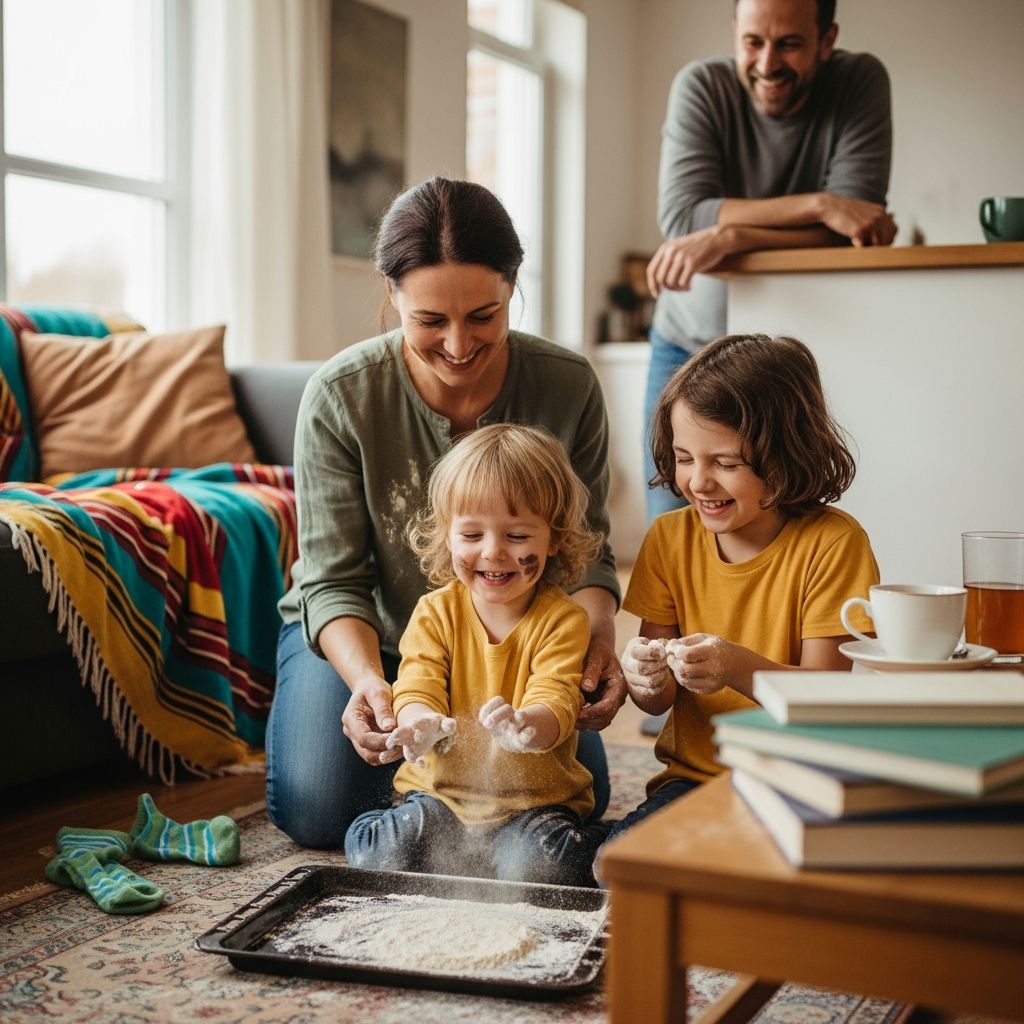
A spotless home is aspirational but often unattainable with young children. Fingerprints on windows, crumbs on floors, and toys strewn about are badges of a lived-in, loved space. Embracing this mess means viewing it as evidence of play, creativity, and growth rather than chaos.
| Perfectionist Approach | Imperfection Embrace |
|---|---|
| Daily deep cleans, exhausting all | Quick tidies, maintaining sanity |
| Stress over every spill | Laughs and learning from messes |
| Rigid schedules | Flexible routines that adapt |
Studies from the Journal of Family Psychology show that homes with moderate clutter foster better child development, as they encourage exploration without fear of reprimand.
Building Bonds Through Unstructured Play
Scheduled activities have their place, but unstructured play is where magic happens. Backyard romps, living room forts, or spontaneous dance parties require no planning or props. These moments teach resilience, imagination, and social skills more effectively than organized classes.
Parents who join in, even imperfectly, model joy and vulnerability. A mother twirling with her toddler or a father building a pillow castle creates memories that outlast any trophy from a lesson.
Navigating Mom Guilt and Societal Judgments
Mom guilt is a universal experience, fueled by comparisons and internal critics. ‘Did I do enough? Is this meal healthy enough?’ These questions erode confidence. Counter them by affirming choices: paper plates mean more time cuddling, quick meals mean more laughter.
Societal judgments, from well-meaning relatives to online trolls, add fuel. Yet, data from the CDC indicates that parental mental health directly impacts child well-being, underscoring the importance of self-compassion.
Practical Strategies for Everyday Peace
- Set Realistic Goals: Aim for three family meals a week together, regardless of menu.
- Curate Your Feed: Follow accounts celebrating real life over reels of perfection.
- Daily Gratitude: Note one messy, joyful moment each evening.
- Delegate Chores: Involve kids in age-appropriate tasks to share the load.
- Self-Care Rituals: A quiet coffee or short walk recharges for family demands.
Implementing these shifts gradually leads to profound changes, transforming guilt into gratitude.
The Long-Term Benefits of Imperfect Parenting
Children raised in environments of grace and flexibility develop higher self-esteem and adaptability. A longitudinal study by Harvard’s Grant Study reveals that warm, responsive parenting— not flawless execution—predicts adult happiness.
Parents, too, benefit: lower cortisol levels, stronger relationships, and a renewed sense of purpose. The waffle-on-paper-plate life isn’t settling; it’s thriving in authenticity.
Real Stories from Parents Like You
Consider Sarah, a working mom who ditched elaborate lunches for frozen favorites. Her kids now beg for ‘waffle Wednesdays,’ strengthening their bond. Or Mike, who embraced toy-strewn floors, finding evenings filled with stories instead of scrubbing.
These anecdotes illustrate a universal truth: imperfection invites deeper connections.
Frequently Asked Questions (FAQs)
Is using paper plates bad for the environment?
Opt for recyclable or compostable options to minimize impact while maximizing convenience. Many brands now offer eco-friendly alternatives.
How do I explain quick meals to judgmental family?
Share the benefits: more family time, less stress. Invite them to join and experience the joy firsthand.
Can imperfect parenting harm my child’s development?
No—authenticity and presence trump perfection. Research supports flexible, loving environments.
What if I still feel guilty?
Guilt fades with practice. Journal wins and seek supportive communities for encouragement.
Are frozen breakfasts nutritious?
Yes, when balanced with toppings like berries and protein. Check labels for whole grains.
Conclusion: Your Family, Your Way
Parenting is a marathon of love, not a sprint to flawlessness. Serving waffles on paper plates symbolizes freedom from unnecessary burdens, allowing space for what matters: love, laughter, and presence. Embrace your unique family rhythm today.
References
- Stress in America: Parenting in the Pandemic — American Psychological Association. 2021-10-27. https://www.apa.org/news/press/releases/stress/2021/parenting-pandemic.pdf
- Home Environment and Child Development — Journal of Family Psychology (APA). 2020-05-15. https://psycnet.apa.org/doiLanding?doi=10.1037%2Ffam0000662
- Parental Mental Health and Child Outcomes — Centers for Disease Control and Prevention. 2023-08-10. https://www.cdc.gov/children-mental-health/data-research/index.html
- The Grant Study of Adult Development — Harvard University. 2023-11-01. https://www.adultdevelopmentstudy.org/
- Dietary Guidelines for Americans — U.S. Department of Health and Human Services / USDA. 2025-01-15. https://www.dietaryguidelines.gov/