Understanding Impacted Teeth in Adolescence
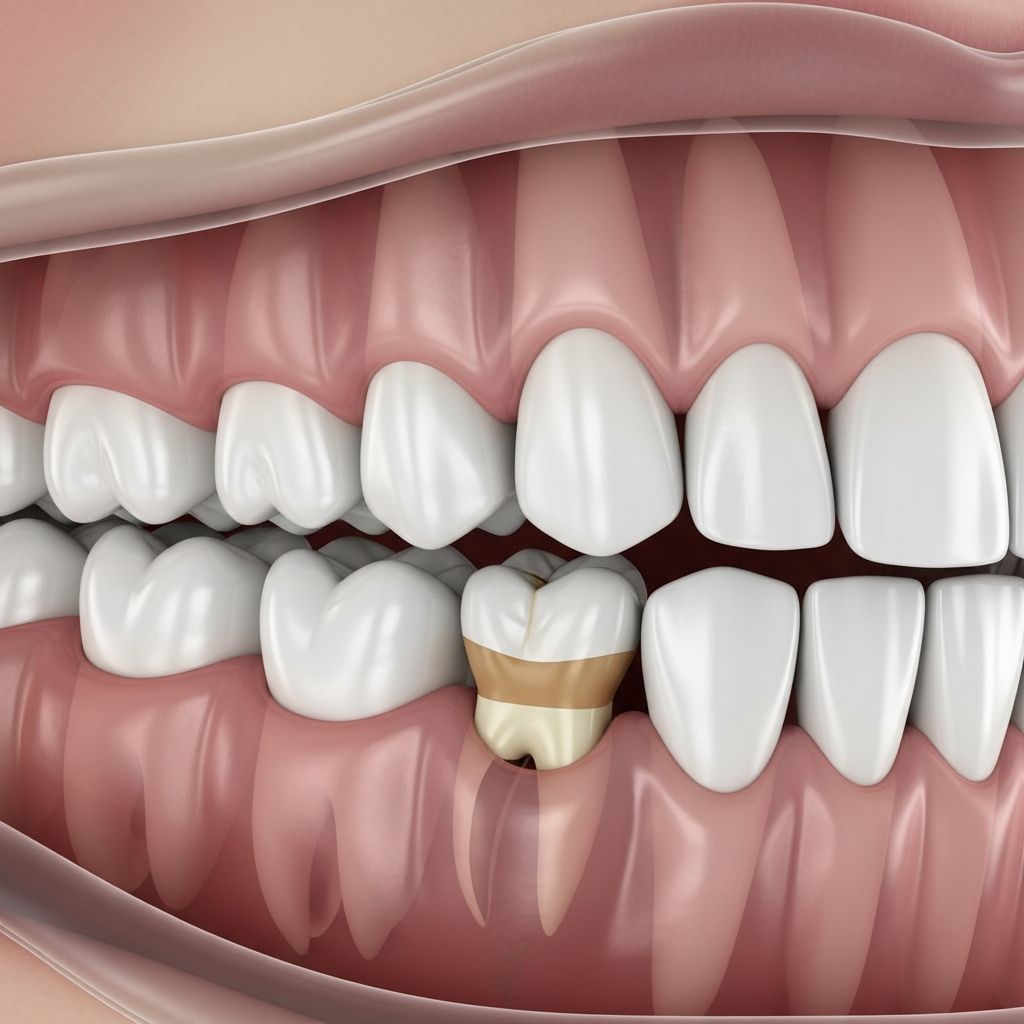
When permanent teeth fail to emerge properly through the gums, they become trapped beneath the gum line or jawbone—a condition known as dental impaction. This commonly occurs during the teenage years when wisdom teeth begin to develop, though other teeth like canines can also be affected. For adolescents, understanding this condition is important because early recognition and appropriate management can prevent complications that might affect long-term oral health and development.
An impacted tooth essentially remains stuck beneath the gum tissue, sometimes partially visible but often completely hidden. The severity varies considerably—some impacted teeth cause no problems whatsoever, while others create significant discomfort and threaten the health of adjacent teeth. Teens experiencing symptoms should know that multiple effective treatment approaches exist, ranging from simple monitoring to surgical intervention.
Why Teeth Become Trapped: The Root Causes
Several factors contribute to tooth impaction during the teenage years. Understanding these causes can help young people and their parents recognize why this occurs and appreciate the need for preventive dental care.
Insufficient Jaw Space
The most common reason teeth become impacted is inadequate room in the jaw to accommodate all permanent teeth. Modern human jaws have actually become smaller over evolutionary time, while tooth size has remained relatively stable. This mismatch means many teenagers simply lack sufficient space for their full complement of teeth to erupt normally. When the jaw is too compact, newly emerging teeth must compete for limited space, often resulting in misalignment or complete impaction.
Unusual Tooth Development Angles
Not all teeth develop in ideal directions. Some teeth grow at abnormal angles rather than straight up through the gums, causing them to strike the jawbone or adjacent teeth during eruption. These angled teeth may become wedged and unable to continue their normal emergence path. Canine teeth, in particular, are susceptible to directional problems that lead to impaction.
Timing and Developmental Issues
The body’s timeline for tooth eruption varies considerably between individuals. In some teens, permanent teeth develop and attempt eruption later than expected, sometimes when space has already been occupied by other teeth. Additionally, thick or unusually dense gum tissue can resist tooth eruption, preventing normal breakthrough even when adequate space exists.
Recognizing the Warning Signs
Not all impacted teeth produce noticeable symptoms, especially in early stages. However, teens should be aware of signs that warrant dental evaluation. Early detection often leads to less invasive treatment approaches.
Pain and Discomfort Patterns
One of the earliest indicators is localized pain or tenderness in the area where a tooth should emerge. This discomfort may be constant or intermittent, and it often intensifies during chewing or when pressure is applied to the region. Teens may also experience pain that radiates beyond the immediate area, affecting the jaw, ear region, or even the neck. Some describe a deep, throbbing sensation rather than sharp pain.
Visible Gum Changes
The gums surrounding an impacted tooth frequently show visible inflammation. Areas may appear noticeably red, swollen, or puffy compared to surrounding tissue. The affected gums often feel tender to touch and may bleed easily when brushing. In some cases, teens might notice the gum tissue appears to recede or looks different from neighboring areas.
Jaw and Mouth Mobility Issues
Some teens develop difficulty opening their mouth fully, or they may experience stiffness when attempting to move the jaw. This reduced mobility can affect eating, speaking, and general comfort. The sensation may worsen as the day progresses or after meals.
Oral Hygiene and Breath Concerns
Bacteria accumulate easily around impacted teeth because they’re difficult to clean with a toothbrush. This bacterial buildup leads to persistent bad breath that doesn’t improve with regular oral hygiene or mouthwash. Teens may also notice an unpleasant taste, particularly when biting down near the affected area. These symptoms suggest that decay or infection may be developing.
Visible Gaps and Missing Teeth
A noticeable gap where a permanent tooth hasn’t emerged is an obvious sign of impaction. Teens may expect a tooth to arrive based on timeline but notice it never appears. Sometimes the area remains visibly empty even after classmates have had similar teeth erupt.
Potential Complications: Why Treatment Matters
Ignoring impacted teeth can lead to serious dental and health problems. Understanding these complications motivates timely professional evaluation.
Infection and Pericoronitis
When a tooth is partially impacted, a space remains between the gum and tooth where bacteria, food particles, and debris accumulate. This protected environment allows bacteria to multiply, causing inflammation and infection of the gum tissue—a condition called pericoronitis. Infected impacted teeth may develop abscesses (localized pus collections), appearing as small bumps on the gums. In serious cases, untreated infections can spread to deeper tissues and potentially enter the bloodstream, creating systemic health risks that require immediate medical intervention.
Decay Development
Impacted teeth, particularly partially erupted ones, are extremely difficult to clean effectively. Food and bacteria become trapped in crevices between the gum and tooth surface. This creates ideal conditions for cavity formation on both the impacted tooth and the neighboring tooth. Decay can progress quickly in these hard-to-reach areas, sometimes causing extensive damage before discovery.
Damage to Adjacent Teeth
An impacted tooth exerts pressure against neighboring teeth, potentially causing root resorption (dissolution of tooth roots), bone loss, or damage to healthy tooth structures. This pressure can shift neighboring teeth out of alignment, creating or worsening bite problems. Some teens develop cavities on adjacent teeth due to the pressure and positioning of the impacted tooth.
Cyst and Tumor Formation
In certain cases, impacted teeth can develop cysts—fluid-filled sacs that expand within the jawbone. These cysts can damage the bone structure and neighboring teeth if left untreated. Though rare, tumors can also develop in association with impacted teeth, making professional monitoring essential.
Bite and Alignment Problems
When impacted teeth push on adjacent teeth, they create a domino effect where each tooth displaces the next. This can gradually misalign the entire bite, sometimes requiring extensive orthodontic treatment to correct. Prevention through early management of impaction is far simpler than correcting misalignment that has developed over time.
Diagnostic Approaches: How Dentists Identify Impaction
Professional diagnosis requires both clinical examination and imaging. Dentists look for swollen gum tissue over areas where teeth should have emerged, checking for redness, drainage, or signs of infection. Dental X-rays are essential because they reveal teeth trapped beneath the gums that aren’t visible to the naked eye. These images show the tooth’s position, angle, and relationship to surrounding structures, helping dentists plan appropriate treatment.
Treatment Options: From Observation to Intervention
Treatment approaches vary based on the tooth’s location, severity of impaction, and whether symptoms are present.
Monitoring and Observation
Many impacted teeth cause no symptoms or problems. Some dentists recommend a “watchful waiting” approach, where teens receive regular dental checkups and X-rays to monitor the tooth’s status. This conservative approach avoids unnecessary intervention while remaining alert to any changes. If the impacted tooth begins causing problems, treatment can be initiated promptly. Monitoring is particularly appropriate for asymptomatic impacted teeth in older teens where the risk of future complications is lower.
Orthodontic Management
For certain impacted teeth, particularly canines and other anterior teeth, orthodontic treatment can guide the tooth into its correct position. Orthodontists apply gentle, consistent pressure using braces or special appliances to encourage eruption and proper alignment. This approach preserves the natural tooth and restores normal function, though it requires patience as the process typically spans several months to years. In some cases, creating additional space through palatal expansion or other orthodontic techniques allows the impacted tooth to erupt naturally.
Surgical Exposure
When an impacted tooth needs to erupt but has become trapped, an oral surgeon may perform a procedure to expose the tooth by removing overlying gum tissue and bone. After exposure, the tooth is typically bonded to a small orthodontic attachment that allows the orthodontist to guide it into position. This combined surgical-orthodontic approach is particularly effective for canine impaction.
Extraction
When an impacted tooth causes pain, infection, or damage to other teeth, surgical extraction may be the most practical solution. The oral surgeon removes the tooth to eliminate the source of problems and prevent future complications. This procedure is particularly common for impacted wisdom teeth that are causing or likely to cause issues. Recovery typically requires 10-14 days, during which teens may experience some pain, swelling, and bruising.
Pain and Infection Management
While awaiting definitive treatment, dentists may prescribe pain relievers and antibiotics to manage discomfort and address any infection. These medications provide symptom relief while the treatment plan is being finalized. Over-the-counter pain medication can also help teens cope with tenderness during the decision-making process.
Recovery and Aftercare Considerations
Surgical treatment of impacted teeth requires post-operative care for optimal healing. Teens should expect some swelling and discomfort initially, which typically peaks around 48-72 hours after surgery. Ice application reduces swelling during the first 24 hours, while heat can promote healing afterward. Pain management, dietary modifications (soft foods), and gentle oral hygiene help facilitate recovery. Most teens return to normal activities within 7-10 days, though complete healing takes several weeks.
Prevention and Long-Term Oral Health
While not all impaction can be prevented, regular dental visits help identify emerging problems early. Maintaining excellent oral hygiene, addressing crowding through early orthodontic evaluation, and following professional recommendations for preventive care support optimal dental development. Teens should inform their dentist about any changes in their mouth, new discomfort, or concerns about emerging teeth.
Questions Teens Frequently Ask
Will an impacted tooth eventually erupt on its own?
Some impacted teeth may eventually erupt with time, but many become permanently trapped. The likelihood of natural eruption depends on the tooth’s angle, available space, and developmental stage. Professional evaluation helps determine whether waiting is reasonable or treatment is needed.
Is impacted tooth surgery painful?
The surgical procedure itself is not painful because the area is numbed with anesthesia. However, post-operative discomfort is normal and manageable with prescribed or over-the-counter pain medication. Most pain subsides significantly within a few days.
Can braces fix an impacted tooth?
Braces alone cannot move an impacted tooth if it’s completely trapped beneath bone and gum tissue. However, orthodontic treatment combined with surgical exposure can successfully guide many impacted teeth into proper position.
What happens if I ignore an impacted tooth?
Untreated impacted teeth risk infection, decay, damage to neighboring teeth, and development of cysts. In serious cases, infection can spread systemically. Professional evaluation prevents these complications from developing.
How long does impacted tooth treatment take?
This varies considerably. Simple extraction may require one surgical visit, while orthodontic guidance of an exposed tooth might span 12-24 months. Your dentist can provide a timeline based on your specific situation.
Will removing an impacted tooth affect my appearance?
Removing a wisdom tooth typically doesn’t affect appearance since these teeth are positioned in the back of the mouth and don’t contribute to facial aesthetics. Other teeth may be evaluated individually regarding visual impact.
References
- Impacted Wisdom Teeth — Symptoms and Causes — Mayo Clinic. 2024. https://www.mayoclinic.org/diseases-conditions/wisdom-teeth/symptoms-causes/syc-20373808
- Impacted Tooth: MedlinePlus Medical Encyclopedia — U.S. National Library of Medicine. 2024. https://medlineplus.gov/ency/article/001057.htm
- Impacted Tooth: Types, Symptoms & Treatment — Cleveland Clinic. 2024. https://my.clevelandclinic.org/health/diseases/impacted-tooth
- What Is an Impacted Tooth? — American Association of Orthodontists. 2024. https://aaoinfo.org/whats-trending/what-is-an-impacted-tooth/
- Impacted Teeth: Causes, Symptoms, and Treatment Options — Sauve Family Dentistry. 2024. https://www.sauvefamilydentistry.com/impacted-teeth-causes-symptoms-and-treatment-options/