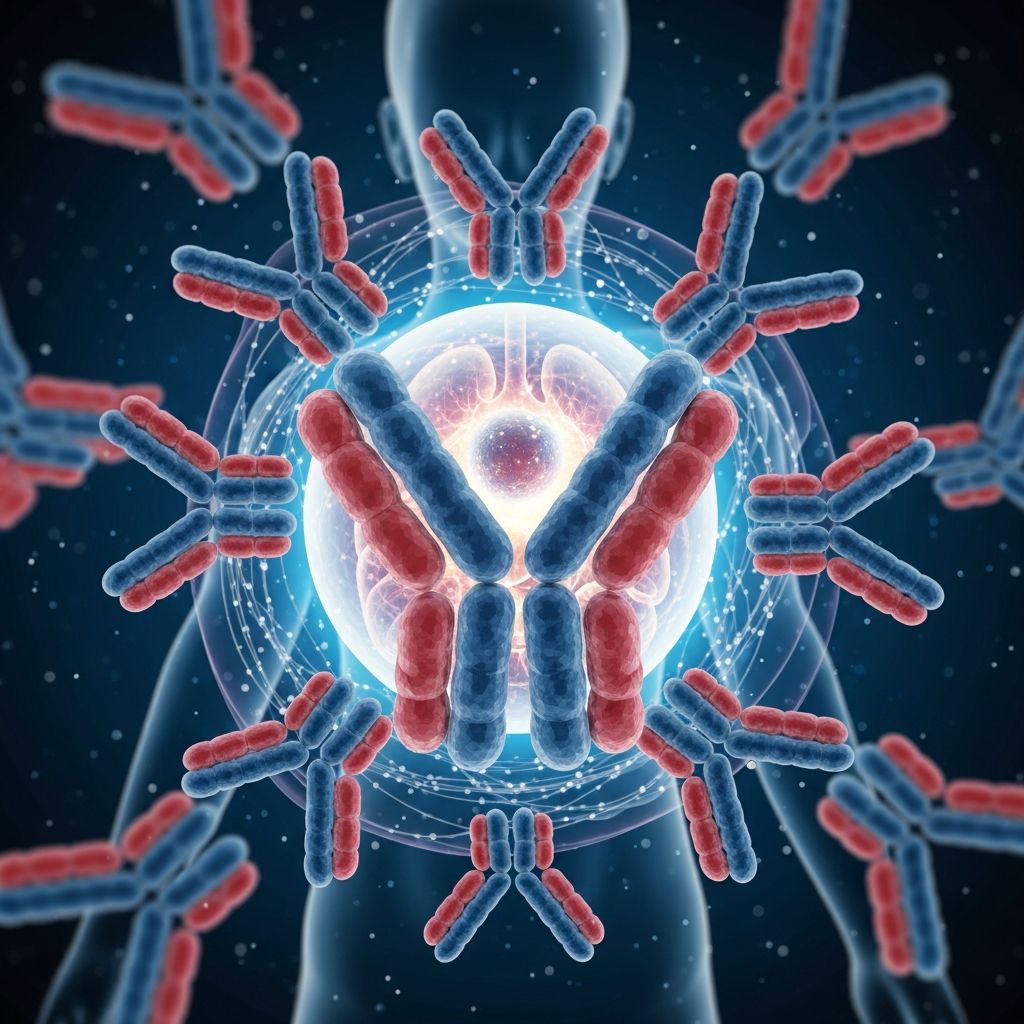
Immunoglobulins, commonly known as antibodies, serve as the body’s frontline defenders against invading pathogens. These specialized proteins, produced by plasma cells derived from B lymphocytes, play a pivotal role in recognizing and neutralizing threats like bacteria, viruses, and toxins. For parents, grasping their function is essential, particularly when considering treatments for children with weakened immune responses.
The Fundamental Role of Antibodies in Child Health
In children’s developing immune systems, immunoglobulins ensure robust protection. Comprising about 20% of plasma proteins, they circulate in blood, lymph, saliva, tears, and breast milk, creating a multi-layered defense. When a child encounters a foreign antigen—such as a virus from a playground sneeze—B cells activate, maturing into plasma cells that secrete tailored antibodies. This specificity allows precise targeting, preventing widespread infection.
Antibodies multitask: they neutralize pathogens by blocking their attachment to cells, mark invaders for phagocytosis (opsonization), and trigger the complement system—a cascade of proteins amplifying immune destruction. In infants, maternal IgG crosses the placenta, offering passive immunity during the first months, while breast milk provides additional IgA for gut protection.
Exploring the Five Major Classes of Immunoglobulins
Five distinct immunoglobulin classes—IgG, IgM, IgA, IgE, and IgD—each with unique structures and roles, orchestrate the humoral immune response. Understanding these helps parents appreciate why certain infections affect kids differently.
IgG: The Most Abundant Protector
IgG dominates, accounting for 70-75% of serum antibodies. This Y-shaped monomer crosses the placenta, safeguarding newborns, and persists longest, enabling immune memory against repeat infections. Divided into four subclasses (IgG1-4), it excels in opsonization and complement activation, crucial for bacterial clearance.
IgM: First Responder to New Threats
IgM forms pentamers, ideal for early infection responses. As the initial antibody produced, it rapidly agglutinates pathogens, enhancing phagocytosis. Though short-lived in blood, its potency lies in multivalency—binding multiple antigens simultaneously.
IgA: Guardian of Mucosal Surfaces
Predominant in secretions like saliva, tears, and breast milk, IgA prevents pathogen adhesion to mucous membranes. Dimeric in structure, it neutralizes viruses and bacteria at entry points, vital for respiratory and gastrointestinal health in children.
IgE: Mediator of Allergic Responses
IgE, present in trace amounts, binds to mast cells and basophils, triggering histamine release during allergies or parasite infections. While protective against worms, elevated levels contribute to asthma, eczema, and anaphylaxis in sensitive kids.
IgD: The Enigmatic Regulator
IgD’s role remains partially mysterious, mainly on immature B-cell surfaces as receptors. It likely modulates B-cell activation and innate responses, comprising less than 0.5% of antibodies.
| Class | Percentage in Serum | Key Locations | Primary Functions |
|---|---|---|---|
| IgG | 70-75% | Blood, tissues, placenta | Opsonization, neutralization, memory |
| IgM | 10% | Blood | Early response, agglutination |
| IgA | 15% | Mucosa, secretions | Mucosal immunity |
| IgE | <0.05% | Mast cells | Allergy, parasites |
| IgD | <0.5% | B-cell surface | B-cell regulation |
How Antibodies Neutralize Health Threats
Immunoglobulins employ three core mechanisms: neutralization blocks pathogen entry; opsonization coats targets for immune cell engulfment; complement activation lyses invaders or enhances inflammation. These processes ensure efficient clearance, minimizing tissue damage—especially important in growing children.
- Neutralization: Antibodies bind viral spikes, preventing cell fusion.
- Opsonization: Fc regions signal macrophages and neutrophils.
- Complement Activation: Classical pathway recruits membrane attack complexes.
Immunoglobulin Replacement Therapy for Kids
When natural production falters, as in primary immunodeficiencies (e.g., X-linked agammaglobulinemia or common variable immunodeficiency), replacement therapy supplies exogenous antibodies. Derived from pooled donor plasma, intravenous (IVIG) or subcutaneous (SCIG) infusions restore levels, reducing infection frequency.
Approved for conditions like severe combined immunodeficiency (SCID), idiopathic thrombocytopenic purpura (ITP), and Guillain-Barré syndrome, IVIG modulates immunity beyond replacement—suppressing autoimmunity via anti-inflammatory cytokines. Dosing typically matches 400-600 mg/kg every 3-4 weeks, monitored via trough IgG levels.
Delivery Methods Compared
| Method | Administration | Advantages | Challenges |
|---|---|---|---|
| IVIG | Clinic infusion (2-4 hours) | Higher doses, rapid effect | Venous access, systemic reactions |
| SCIG | Home subcutaneous (weekly) | Convenience, steady levels | Local swelling, slower absorption |
Conditions Benefiting from Immunoglobulin Therapy
Beyond deficiencies, IVIG treats autoimmune and inflammatory disorders. High-evidence uses include Kawasaki disease (preventing coronary aneurysms), chronic inflammatory demyelinating polyneuropathy (CIDP), and multifocal motor neuropathy. Off-label applications span myasthenia gravis, lupus, and post-transplant rejection.
- Primary antibody deficiencies: Core indication.
- Kawasaki disease: Reduces vasculitis risks.
- ITP: Boosts platelet counts rapidly.
- Guillain-Barré: Speeds recovery.
Risks, Side Effects, and Monitoring
Therapy is generally safe, but watch for headaches, fever, or nausea during infusions—premedication with acetaminophen helps. Rare anaphylaxis occurs in IgA-deficient patients. Long-term, monitor renal function and aseptic meningitis risk. Parents should track infection logs and IgG levels with pediatric immunologists.
Signs Your Child May Need Immunoglobulin Support
Frequent, severe infections (sinusitis, pneumonia), failure to thrive, or family immunodeficiency history warrant evaluation. Blood tests measure Ig levels; low values prompt therapy trials. Early intervention prevents complications like bronchiectasis.
Boosting Natural Immunoglobulin Production
Vaccinations stimulate endogenous antibodies, while nutrition (vitamins A, D, zinc) supports B-cell function. Breastfeeding delivers IgA, and probiotics may enhance mucosal immunity. Avoid unnecessary antibiotics to preserve microbiome balance.
Frequently Asked Questions About Immunoglobulins
Can immunoglobulins cure immune deficiencies?
No, they replace missing antibodies but don’t fix underlying genetic issues; lifelong therapy is often needed.
How long does IVIG protection last?
3-4 weeks typically, with home SCIG providing steadier coverage.
Are there natural ways to increase antibodies in kids?
Balanced diet, vaccines, and breastfeeding promote production; consult doctors for supplements.
Is IVIG safe for infants?
Yes, when indicated, with adjusted dosing and monitoring.
What if my child reacts to infusions?
Slow rates, premeds, or switch to SCIG; report to specialists immediately.
This comprehensive guide empowers parents to navigate immunoglobulin-related care, ensuring informed discussions with healthcare providers for optimal child health outcomes.
References
- Immunoglobulins (Ig) — Physiopedia. 2023. https://www.physio-pedia.com/Immunoglobulins_(Ig)
- Immunoglobulin Types and Their Functions — AmeriPharma Specialty. 2023. https://ameripharmaspecialty.com/ivig/immunoglobulins-ig/
- Immunoglobulin – NCI Dictionary of Cancer Terms — National Cancer Institute (cancer.gov). 2024-01-17. https://www.cancer.gov/publications/dictionaries/cancer-terms/def/immunoglobulin
- Immunoglobulin – StatPearls — NCBI Bookshelf (ncbi.nlm.nih.gov). 2023-07-04. https://www.ncbi.nlm.nih.gov/books/NBK513460/
- Antibodies: Definition, Types & Function — Cleveland Clinic. 2023-11-30. https://my.clevelandclinic.org/health/body/22971-antibodies