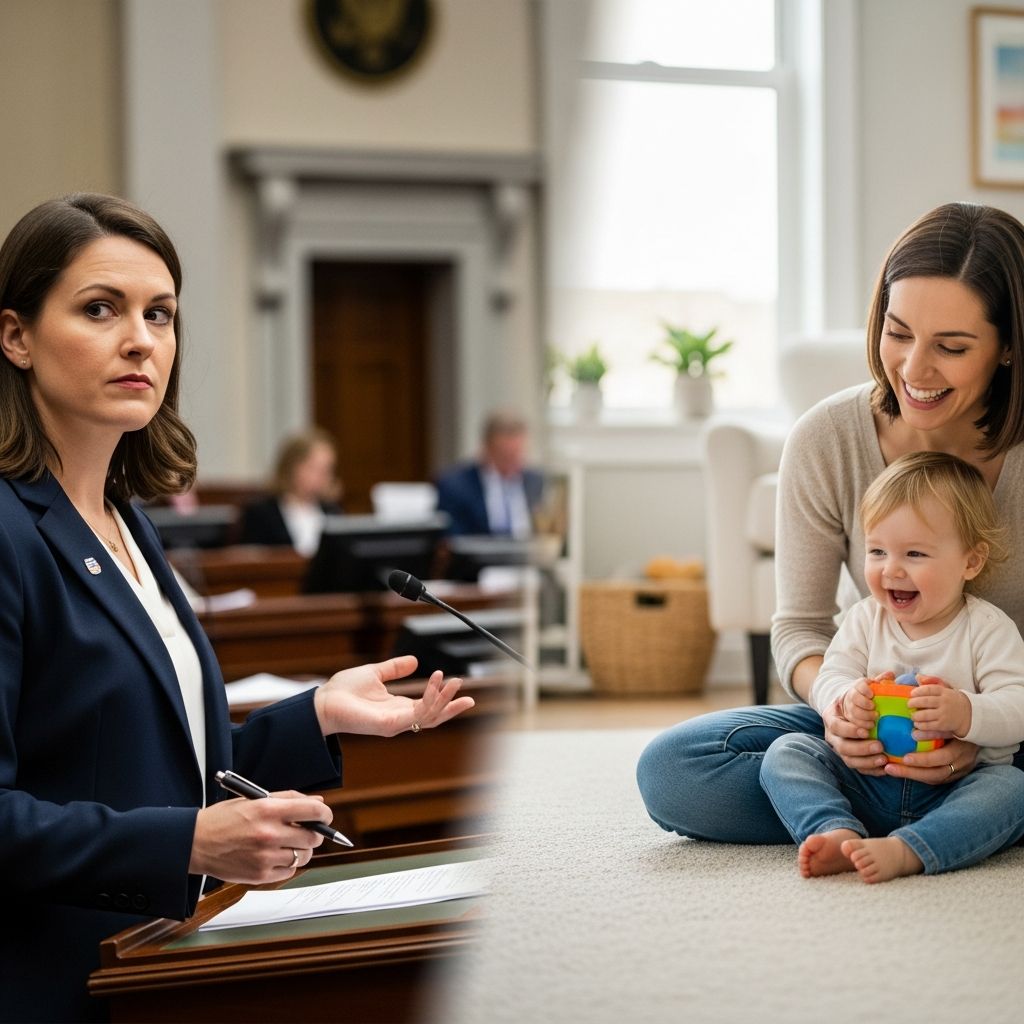
In a bold and controversial move, Idaho House Republican Representative Charlie Shepherd voted against accepting nearly $6 million in federal grants aimed at bolstering early childhood education and child care access. His reasoning? The funding would make it “easier for mothers to come out of the home,” potentially undermining traditional family structures where moms serve as primary caregivers. This decision, made by the Republican-led House, has ignited nationwide discussions on the tension between supporting working parents and preserving homemaker roles.
The Vote That Sparked Outrage
The bill in question sought to direct the funds to the Idaho State Board of Education, which would collaborate with the nonprofit Idaho Association for the Education of Young Children. The grant targeted improvements in child care, including daycare expansions, homeschooling support, and kindergarten readiness programs, especially in rural areas where options are scarce. Despite broad potential benefits, the House rejected it, with Shepherd articulating a clear philosophical opposition during debates.
Shepherd’s comments highlighted a preference for maternal home care: “I don’t think anybody does a better job than mothers in the home, and any bill that makes it easier or more convenient for mothers to come out of the home and let others raise their child, I don’t think that’s a good direction for us to be going.” Following public backlash, he issued an apology for the phrasing but stood firm on his underlying concerns about family dynamics.
Understanding the Proposed Funding
The $6 million federal allocation was part of broader efforts to address child care deserts—regions with insufficient options for young children. In Idaho, rural communities face particular challenges, with long waitlists and high costs limiting access. The funds would have:
- Expanded daycare facilities and staffing.
- Supported homeschooling resources for families opting out of traditional programs.
- Enhanced kindergarten entry initiatives to prepare 5-and-under children for school.
Proponents argued this would not only aid child development but also enable more parents, particularly mothers, to join or remain in the workforce, addressing Idaho’s labor shortages.
Family Values vs. Economic Realities
Shepherd’s stance resonates with conservative ideals emphasizing the irreplaceable role of parents, especially mothers, in early upbringing. Research from the U.S. Department of Health and Human Services underscores that quality early care significantly influences cognitive and social outcomes, yet family-provided care remains a gold standard for many. Critics, however, point to economic pressures: the U.S. Census Bureau reports that child care costs consume up to 20% of median family income in many states, forcing tough choices between work and home.
In Idaho, where agriculture and remote work dominate rural economies, affordable child care could unlock workforce participation. A table comparing key impacts illustrates the divide:
| Perspective | Pro-Funding Argument | Anti-Funding Argument |
|---|---|---|
| Family Impact | Relieves parental stress, improves work-life balance | Encourages outsourcing child-rearing, weakens bonds |
| Economic | Boosts employment, especially for women (adds $XXB to GDP nationally) | Government overreach; prefers private/family solutions |
| Child Development | Professional programs enhance readiness skills | Mothers provide superior, personalized nurturing |
This rejection mirrors national debates, where federal investments like the Child Care and Development Block Grant have expanded access but face resistance over dependency fears.
Public Backlash and Protests
The day after the vote, over 75 protesters—mostly women, many with children—gathered outside the Idaho Statehouse. Signs proclaimed “Working Mom: My Kids Are Doing Great,” directly challenging the notion that outside care harms families. Participants shared stories of thriving children in quality programs, emphasizing that work enables financial stability essential for family well-being.
Social media amplified the outcry, with hashtags like #FundChildCare trending locally. Videos of the debate, including Shepherd’s remarks, went viral, drawing scrutiny from national outlets. The protest underscored a growing coalition of working mothers advocating for policy support amid rising living costs.
Shepherd’s Apology and Broader Context
Facing criticism, Rep. Shepherd apologized for his wording, clarifying he did not intend to demean working mothers but to prioritize policies strengthening home-based care. He expressed regret if his comments caused offense, yet maintained concerns over nonprofits wielding grant power and shifting caregiving norms.
This incident fits into Idaho’s legislative landscape, where Republican majorities often scrutinize federal funds to avoid strings attached. Similar rejections have occurred in other states, balancing fiscal conservatism with social priorities.
Implications for Early Childhood Education Nationwide
Idaho’s decision highlights fractures in U.S. child care policy. The National Institute for Early Education Research notes that only 30% of 4-year-olds attend state-funded preschool, with gaps widest in rural West. Rejecting funds exacerbates this, potentially hindering kindergarten readiness and long-term academic success.
Economically, the U.S. Chamber of Commerce estimates child care shortages cost states billions in lost productivity. For Idaho, forgoing $6 million means missed opportunities to leverage federal dollars for local needs.
Voices from Working Mothers
Many Idaho moms shared testimonials post-vote:
- “Child care allowed me to keep my job, providing health insurance for my family.”
- “My rural town has zero options; this funding was a lifeline.”
- “Quality programs teach social skills no parent can replicate alone.”
These narratives counter the homemaker ideal, portraying working motherhood as compatible with strong parenting.
Policy Alternatives and Future Paths
Moving forward, alternatives include tax credits for stay-at-home parents, private-public partnerships, or targeted rural subsidies without nonprofits. Bipartisan bills in Congress aim to cap child care at 7% of income, potentially swaying conservative holdouts.
Idaho lawmakers may revisit similar grants, perhaps with stricter oversight. The debate evolves as demographics shift: millennial parents prioritize flexibility, with Pew Research showing 70% of moms working outside home.
Frequently Asked Questions (FAQs)
What was the exact amount of funding rejected?
Nearly $6 million in federal grants for early childhood education and child care.
Why did Rep. Shepherd oppose the bill?
He believed it incentivized mothers to leave home, preferring parental caregiving over external options.
Were there protests?
Yes, over 75 people rallied outside the Statehouse, advocating for working families.
Did Shepherd apologize?
Yes, for his phrasing, but he upheld his views on family priorities.
What are the main benefits of such funding?
Expands access in rural areas, supports workforce participation, and aids child development.
References
- Idaho House Republican apologizes for remarks about working moms — Idaho Statesman. 2021-03-25. https://www.idahostatesman.com/news/politics-government/state-politics/article249663163.html
- Idaho rejects $6 million in child care funding, sparking protests — The 19th. 2021-03-25. https://19thnews.org/2021/03/idaho-child-care-funding-protest/
- A Republican is against education bill because it’s… — YouTube (Idaho Education News). 2021-03-24. https://www.youtube.com/watch?v=AYyBs_gzcCE
- House Republicans kill bill for a $6 million federal preschool grant — Idaho Education News. 2021-03-23. https://www.idahoednews.org/legislature/house-republicans-kill-bill-for-a-6-million-federal-preschool-grant/