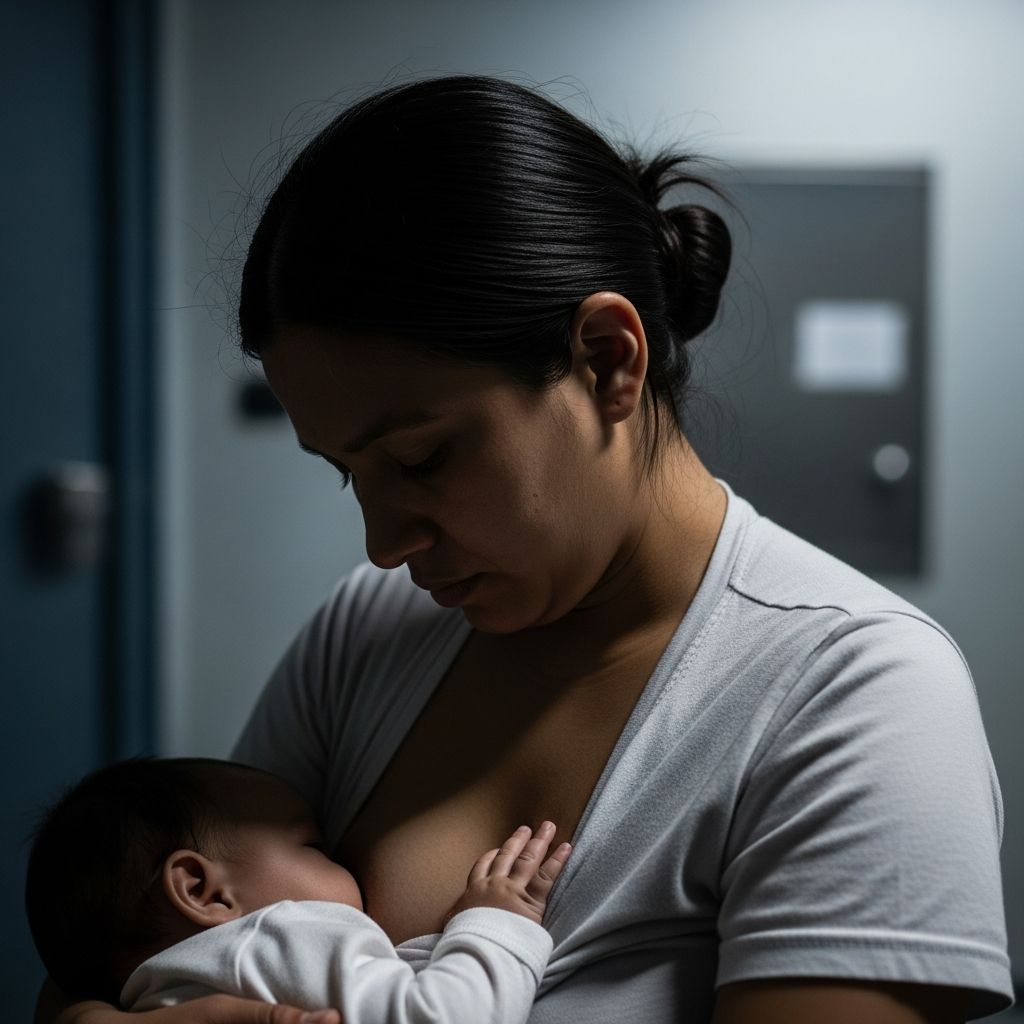
Recent immigration enforcement actions by U.S. Immigration and Customs Enforcement (ICE) have drawn sharp criticism for separating breastfeeding mothers from their infants. These incidents highlight tensions between national security priorities and humanitarian concerns in family-based detentions.
Understanding the Context of ICE Operations
ICE conducts targeted raids and routine arrests as part of broader efforts to address illegal immigration and related crimes. In Mississippi, a major operation at food processing plants led to 680 arrests, including individuals like Maria Domingo-Garcia. Such sweeps often catch families off-guard, raising questions about protocols for vulnerable groups like nursing mothers.
Immigrant mothers, many from Latin America, face unique challenges. They may hold work permits or pending asylum claims, yet still fall under ICE jurisdiction. Policies once limited detentions of pregnant or nursing women, but recent shifts under the Trump administration have reversed these protections, resulting in hundreds of deportations.
Case Study: The Mississippi Raid and Disputed Claims
During the August 2024 Mississippi raids, Maria Domingo-Garcia, a Mexican national living in the U.S. for over a decade, was detained. Initial media reports claimed she was breastfeeding her 4-month-old daughter every night, prompting outrage over the separation. ICE responded forcefully, stating that during her intake medical screening at a Louisiana facility, she answered ‘no’ when asked if she was breastfeeding.
A follow-up examination by an ICE nurse practitioner confirmed she was not lactating. ICE emphasized that all detainees receive health screenings within 12 hours, including questions about breastfeeding status. Domingo-Garcia’s attorneys contested the second exam’s transparency, noting they were not informed beforehand. She now faces unrelated federal fraud charges for using another person’s Social Security number and will be transferred to U.S. Marshals custody.
Recent Incidents Involving Nursing Mothers
Beyond Mississippi, other cases underscore a pattern. In Nashville, Misslenys Hernandez Zabala, a Venezuelan asylum seeker with a valid work permit, was arrested on March 20, 2026, en route to work after dropping off her 10-month-old son, Maximiliano, whom she breastfeeds. ICE agents inquired about the baby’s location, suggesting prior surveillance. Despite advocacy efforts by Music City Migra Watch to reunite her based on her nursing status, ICE refused release.
Hernandez also cares for a 12-year-old daughter and a 9-year-old niece. Her partner provided documents showing compliance with legal processes, including a court date set for 2028. As of early April 2026, her whereabouts remained unclear to family.
Another Heartbreaking Separation: The Louisiana Case
In a separate incident, Paola Clouatre, married to U.S. Marine Corps veteran Adrian Clouatre, was detained during a routine green card appointment in May 2025. Originally from Mexico, she was brought to the U.S. as a child seeking asylum. Paola was separated from her nearly 2-year-old child and 3-month-old baby, whom she was actively breastfeeding at the time of arrest. She is held at an ICE facility in Monroe, Louisiana.
Her husband has publicly pleaded for her release, highlighting the family’s plight. This case illustrates how even those in the legal immigration process can face sudden detention.
Policy Evolution and Medical Screening Protocols
| Aspect | Previous Policy | Current Practice (Post-2025) |
|---|---|---|
| Pregnant/Postpartum/Nursing Detentions | Limited arrests | Expanded, leading to 363 deportations in 13 months |
| Intake Screening | Basic health check within 12 hours | Includes breastfeeding questions; follow-ups as needed |
| Release Considerations | Priority for humanitarian release | Case-by-case, often denied despite advocacy |
U.S. Department of Homeland Security (DHS) guidelines historically prioritized avoiding detention for vulnerable women. However, investigative reports indicate a policy pivot, with ICE deporting 363 such individuals in just over 13 months ending April 2026. Medical screenings now play a pivotal role in verifying claims, as seen in the Domingo-Garcia case where lactation tests refuted initial assertions.
Health Impacts on Mothers and Infants
- Physical Effects on Mothers: Sudden separation can trigger mastitis, hormonal imbalances, and milk supply reduction without pumping access.
- Infant Nutrition Risks: Breast milk provides essential antibodies; formula transitions may lead to allergies or digestive issues in young babies.
- Mental Health Toll: Anxiety, depression, and PTSD are common in detained parents separated from children.
- Long-term Developmental: Infants may face attachment disorders from early maternal deprivation.
These consequences amplify calls for better protocols, including on-site childcare or lactation accommodations in facilities.
Advocacy Efforts and Community Responses
Groups like Music City Migra Watch have escorted infants to ICE offices demanding releases, though unsuccessfully in Hernandez’s case. Families and veterans, as in the Clouatre situation, leverage public appeals via media. Attorneys challenge exam validity and push for bond hearings emphasizing family unity.
Broader coalitions urge policy reversals, citing international human rights standards against family separations.
Legal Ramifications and Future Outlook
Detained mothers face intertwined immigration and criminal proceedings. Domingo-Garcia’s fraud indictment complicates her case, potentially leading to deportation post-trial. Others with pending asylum await distant court dates, enduring prolonged uncertainty.
Debates rage over balancing enforcement with compassion. Critics argue current practices violate due process; ICE maintains operations target violators while upholding health standards.
Frequently Asked Questions
What happens during ICE intake for women claiming to breastfeed?
Detainees undergo medical screening within 12 hours, including direct questions about breastfeeding. Follow-up exams, like lactation checks, may occur based on claims.
Can nursing mothers be released from ICE detention?
Releases are discretionary and rare post-policy changes, despite past preferences for humanitarian parole.
How many nursing or pregnant women has ICE deported recently?
At least 363 in 13 months as of April 2026.
What rights do detained mothers have regarding their children?
They can request visitation or custody arrangements, but enforcement varies. Legal aid is crucial.
Are ICE raids targeting families increasing?
Large-scale operations like Mississippi’s show focus on worksites, inadvertently affecting families.
Pathways for Reform
Proposed changes include mandatory lactation support, priority family case reviews, and congressional oversight. Public awareness through cases like these pressures systemic shifts.
References
- ICE denies claims it separated breastfeeding mom from child — Fox News. 2024-08 (approx.). https://www.foxnews.com/us/ice-separated-breastfeeding-mother-child-migrant-fraud-charges-raids-mississippi-illegal-immigrants
- ICE Separates Mother from Breastfeeding Baby After Arrest at Routine Green Card Appointment — Democracy Now. 2025-06-24. https://www.democracynow.org/2025/6/24/headlines/ice_separates_mother_from_breastfeeding_baby_after_arrest_at_routine_green_card_appointment
- Young Nashville mother detained by ICE, separated from 10-month-old breastfeeding baby — People’s World. 2026-04-01. https://www.peoplesworld.org/article/young-nashville-mother-detained-by-ice-separated-from-10-month-old-breastfeeding-baby/
- ICE detains asylum-seeking mother, separating her from nursing baby — NewsChannel 5 (YouTube). 2026-03-20. https://www.youtube.com/watch?v=tsDDPwEMd-Y