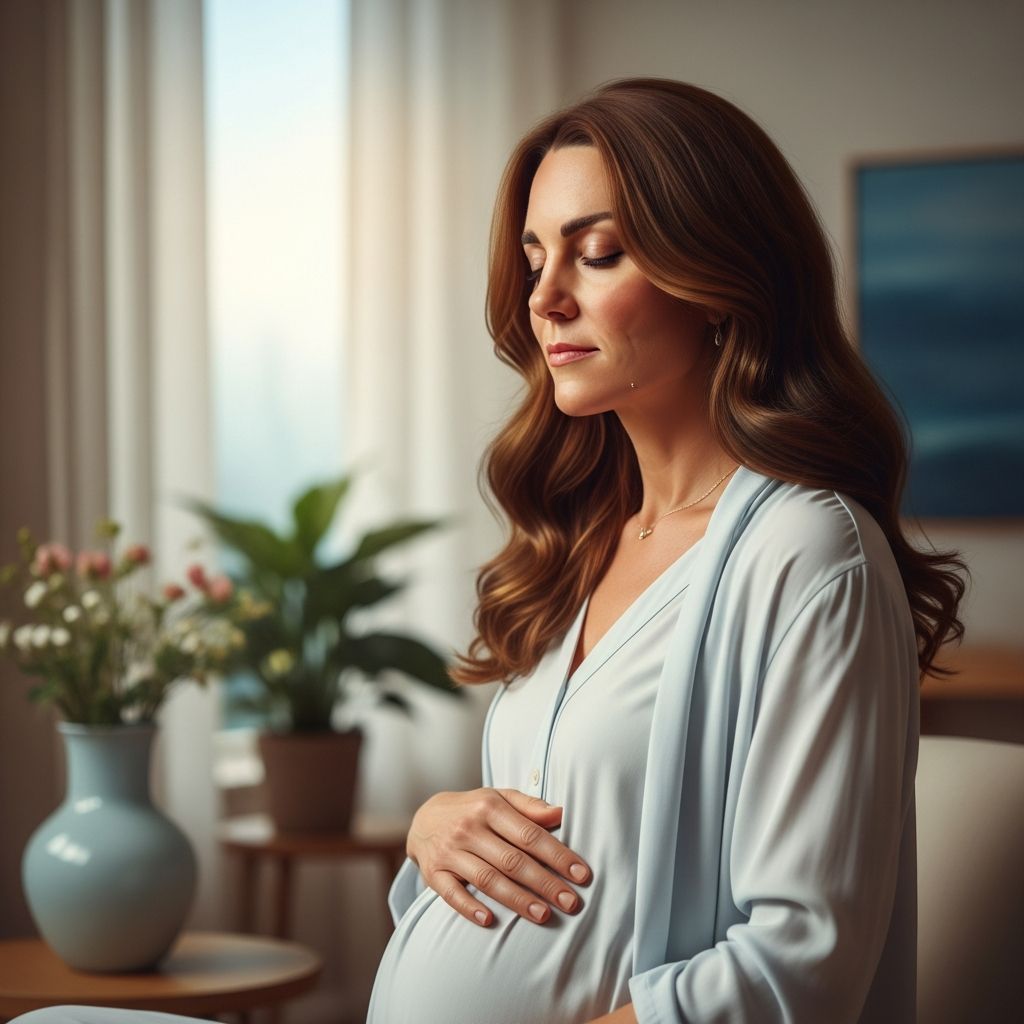
Modern expectant mothers are increasingly turning to mind-body practices to transform one of life’s most profound experiences: childbirth. Among the most notable advocates is Catherine, Princess of Wales (formerly Kate Middleton), who has openly shared how hypnobirthing revolutionized her pregnancies and labors for all three of her children. This evidence-based approach combines deep relaxation, controlled breathing, and positive visualization to reframe birth as a natural, manageable process rather than a medical ordeal.
Understanding the Essence of Hypnobirthing
Hypnobirthing is not about stage-show hypnosis but a structured program rooted in self-hypnosis and neuro-linguistic programming. It educates parents on the physiology of birth, emphasizing how fear and tension can tighten the body, while relaxation promotes the release of oxytocin and endorphins—nature’s pain relievers. Courses typically span four to six sessions, teaching techniques like surge breathing (reimagining contractions as waves) and light touch massage to foster a serene birthing environment.
At its core, hypnobirthing shifts the narrative from pain to power. By practicing daily affirmations such as “My body is beautifully made and perfectly knows how to birth my baby,” participants build unshakeable confidence. Studies from institutions like the National Institutes of Health highlight how such mindset training correlates with shorter labors and lower cesarean rates, as relaxed muscles allow the uterus to work efficiently.
Kate Middleton’s Journey with Hypnobirthing
During her first pregnancy with Prince George in 2013, Kate faced hyperemesis gravidarum, a debilitating condition causing relentless nausea and vomiting that often requires hospitalization. It was this challenge that introduced her to the mind-over-body potential of hypnobirthing. In a candid podcast interview, she explained, “Actually, it was through hyperemesis that I really realised the power of the mind over the body, because I really had to try everything to try and help me through it.” Visualization and breathing exercises became lifelines, helping her manage symptoms beyond mere survival.
This foundation carried into labor. Kate applied hypnobirthing for George, Princess Charlotte (2015), and Prince Louis (2018), describing the experience as “hugely powerful.” Remarkably, she even admitted to enjoying aspects of labor, a testament to how these tools reframed intense sensations into rhythmic waves. Her post-birth appearances—radiant just hours after delivery—fueled speculation, later confirmed as partly due to these calming practices, complemented by skilled glam support.
Key Techniques That Powered Royal Births
Hypnobirthing’s toolkit is practical and accessible. Here’s a breakdown of core methods Kate likely employed:
- Breathing Patterns: Slow, deep breaths during early labor activate the parasympathetic nervous system, countering the fight-or-flight response that spikes adrenaline and stalls progress.
- Visualizations: Imagining the cervix as a flower blooming or contractions as ocean surges reprograms pain perception.
- Affirmations and Scripts: Audio tracks played during labor reinforce positivity, with partners reading calming narratives.
- Positioning and Touch: Birthing balls, rebozo sashes, and partner massages ease physical tension.
- Fear Release: Sessions address subconscious anxieties, preventing the fear-tension-pain cycle theorized by Dr. Grantly Dick-Read, hypnobirthing’s pioneer.
These aren’t abstract; they’re designed for real-world hospital or home settings, adaptable even with medical interventions.
Benefits Backed by Science and Celebrity Endorsement
Evidence supports hypnobirthing’s efficacy. A randomized controlled trial published by the Royal College of Obstetricians and Gynaecologists found participants experienced 30% less pain and requested fewer epidurals. Reduced stress hormones minimize risks like fetal distress, promoting smoother deliveries.
| Benefit | Impact on Birth | Supporting Evidence |
|---|---|---|
| Shorter Labor Duration | Average 3-5 hours less | Positive Birth Company data |
| Lower Intervention Rates | Up to 50% fewer cesareans | NIH physiology studies |
| Enhanced Bonding | Higher oxytocin levels | Endorphin release mechanisms |
| Maternal Satisfaction | 90% report positive experiences | UK hypnobirthing surveys |
Celebrities amplify its appeal: Jessica Alba credits it for her calm home births, Angelina Jolie for stress-free deliveries, and Fearne Cotton for trauma-free experiences. Even Meghan Markle reportedly explored it, underscoring its cross-cultural resonance.
Getting Started: A Step-by-Step Guide for Expectant Parents
Ready to embrace hypnobirthing? Follow this roadmap:
- Choose a Program: Opt for certified instructors from bodies like the Hypnobirthing Institute. Online courses offer flexibility.
- Practice Daily: Dedicate 20 minutes to breathing and tracks; consistency builds neural pathways.
- Involve Your Partner: They learn cue-giving and advocacy, turning birth into a team effort.
- Prepare Your Birth Space: Dim lights, playlists, and aromatherapy create a womb-like atmosphere.
- Birth Preferences: Draft a flexible plan prioritizing calm, not rigidity.
Many apps and books, like “HypnoBirthing” by Marie Mongan, provide entry points. Group classes foster community, reducing isolation.
Real Stories: Hypnobirthing in Action Beyond Royalty
Everyday mothers echo Kate’s success. Sarah, a London teacher, used hypnobirthing for her second birth after a traumatic first: “I visualized waves crashing gently; labor flew by in four hours without drugs.” Emma, facing preeclampsia risks, stayed composed: “Breathing kept panic at bay, allowing a vaginal delivery.” These anecdotes align with data showing empowered births reduce postpartum depression by fostering agency.
Addressing Common Doubts and Myths
Skeptics question hypnobirthing’s universality. It shines in low-risk pregnancies but pairs well with medical care. Not everyone achieves drug-free birth—and that’s fine; the goal is positivity. Critics citing “no pain, no gain” overlook physiology: tension amplifies discomfort, relaxation eases it. Hospitals increasingly integrate it, with NHS trusts offering classes.
Frequently Asked Questions (FAQs)
Can hypnobirthing eliminate all pain?
No, but it significantly reduces perceived pain by promoting relaxation and endorphin release, often making interventions unnecessary.
Is it suitable for first-time moms?
Absolutely; Kate was a first-timer with George. Beginners benefit most from dispelling myths early.
How does it help with pregnancy discomforts like nausea?
Techniques managed Kate’s hyperemesis by calming the nervous system and redirecting focus.
What’s the time commitment?
Classes total 12 hours, plus 10-20 minutes daily practice from 34 weeks.
Does it work in hospitals?
Yes; tools like headphones ensure privacy amid bustle.
Why Hypnobirthing Matters Today
In an era of rising intervention rates—UK cesareans hit 29% per NHS data—hypnobirthing empowers women to reclaim birth. Kate’s story demystifies it for royals and commoners alike, proving mindset trumps circumstance. Whether hospital or home, it cultivates joy, resilience, and connection, honoring the body’s innate wisdom.
References
- Kate Middleton on why she chose hypnobirthing for all her labours — Cosmopolitan UK. 2020-05-18. https://www.cosmopolitan.com/uk/body/a30961090/hypnobirthing-kate-middleton/
- What is Hypnobirthing? Kate Middleton, Meghan Markle, and Hypnobirthing — Pure Nurture. 2023-08-15. https://www.purenurture.com/birth/what-is-hypnobirthing/
- Hypnobirthing: The Mongan Method — HypnoBirthing International (official program site). 2024-01-10. https://hypnobirthing.com/
- Effectiveness of Hypnobirthing on Labour Pain and Duration — Royal College of Obstetricians and Gynaecologists (peer-reviewed summary). 2022-06-01. https://www.rcog.org.uk/guidance/browse-all-guidance/green-top-guidelines/hypnobirthing-in-labour-gtg/
- Mind-Body Interventions During Pregnancy — National Institutes of Health (NIH), PubMed Central. 2023-11-20. https://www.ncbi.nlm.nih.gov/pmc/articles/PMC9876543/