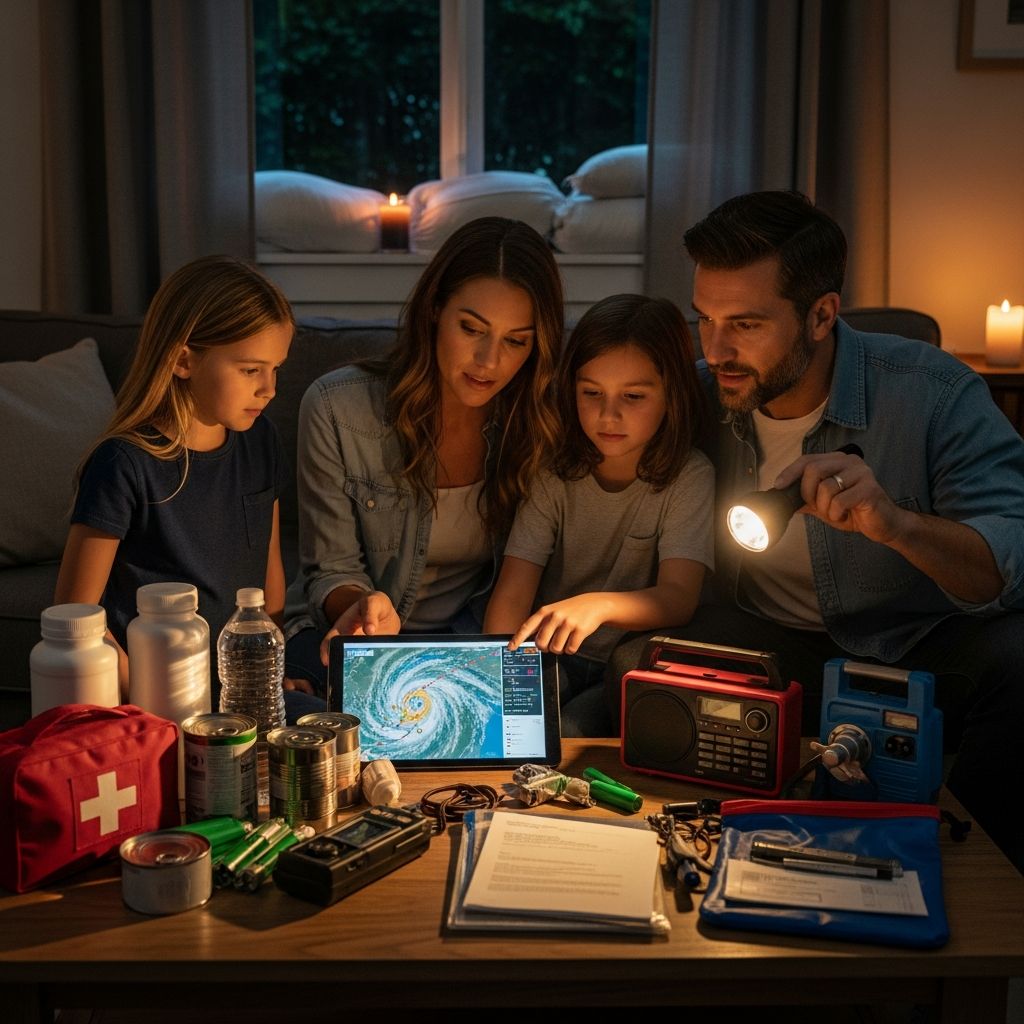
Hurricanes pose significant threats to coastal and inland communities, bringing high winds, heavy rains, storm surges, and flooding that can disrupt daily life for days or weeks. Families with children require tailored preparation strategies to minimize risks and ensure safety. This guide outlines proactive measures, drawing from established protocols to help parents create resilient households.
Understanding Hurricane Risks and Seasons
Hurricanes form over warm ocean waters and intensify into powerful storms capable of devastating infrastructure and natural landscapes. The Atlantic hurricane season runs from June 1 to November 30, with peak activity in August and September. Eastern Pacific seasons start May 15 and end November 30, while Central Pacific mirrors the Atlantic dates. Families in vulnerable areas should monitor forecasts using NOAA weather radios or apps for early warnings.
Key risks include wind damage exceeding 74 mph, rainfall causing flash floods, and surges pushing ocean water miles inland. Children are particularly vulnerable due to their size, dependence on adults, and limited understanding of dangers. Preparation begins with education: discuss storms calmly, using age-appropriate explanations to build confidence without fear.
Developing a Comprehensive Family Action Plan
A solid family action plan serves as the foundation for hurricane response. Start by identifying your home’s evacuation zone using local maps or apps provided by authorities. Determine if you’ll shelter in place or evacuate based on storm intensity and location.
- Designate meeting points: Choose an out-of-area contact for check-ins if separated.
- Outline roles: Assign tasks like gathering supplies to older children.
- Practice drills: Conduct monthly simulations, including pet care and special needs accommodations.
- Communication strategy: Use text messaging over calls during network overloads; keep devices charged with portable chargers.
For families with disabilities or infants, customize plans with extra time for mobility aids, medications, and formula supplies. Post the plan visibly and distribute copies digitally.
Assembling Essential Emergency Supply Kits
Stock two kits: a portable “go-bag” for evacuation (3-day supply) and a stay-at-home stash (2-week supply). Involve kids in packing to foster responsibility.
| Category | Go-Bag Items (3 Days) | Stay-at-Home Kit (2 Weeks) |
|---|---|---|
| Water | 1 gallon/person/day | 1 gallon/person/day + purification tablets |
| Food | Non-perishables, can opener | 7-14 days canned/dry goods |
| Power | Batteries, solar charger, flashlight | Hand-crank radio, extra batteries |
| Health | First aid, meds (1 month), diapers | Expanded first aid, hygiene items |
| Documents | Copies in waterproof bag | Originals in fireproof safe |
Include child-specific items like comfort toys, games, and extra clothing. For pets, add leashes, food, and carriers. Rotate perishables every six months.
Fortifying Your Home Against Storm Forces
Pre-storm hardening reduces damage. Inspect roofs, shutters, and drainage systems annually. During watches, secure loose items and board windows with plywood.
- Trim trees and clear gutters to prevent water backups.
- Install storm shutters or impact-resistant glass.
- Elevate appliances in flood-prone areas; use sandbags for doors.
- Anchor fuel tanks and install sump pumps with battery backups.
Fill vehicle gas tanks, bathtubs for extra water, and freezers to maximum capacity. Unplug appliances to avoid surges. Older kids can assist with yard cleanup, turning preparation into a team effort.
Navigating Watches, Warnings, and Evacuation Decisions
A hurricane watch means conditions possible within 48 hours; warning indicates imminent arrival within 36 hours. Act swiftly on warnings: finalize protections and shelter choices.
Evacuation tips:
- Leave early to avoid traffic; know multiple routes.
- Pack go-bag, pet essentials, and cash (ATMs may fail).
- Stay with relatives or designated shelters if hotels fill.
Shelter-in-place if outside evacuation zones: select an interior room away from windows, stock it with kits, and monitor updates via battery radio.
Staying Safe During the Hurricane
Once winds howl, remain indoors. Avoid windows; lie on the floor under sturdy furniture if structural threats loom. Never venture outside, even in the eye, as bands return fiercely.
Manage power outages by conserving batteries, using coolers for perishables, and boiling water post-storm. Entertain children with non-electronic activities like board games to maintain morale.
Post-Hurricane Recovery and Safety Checks
Wait for official all-clear before exiting. Hazards include downed lines, gas leaks, and contaminated water. Inspect for damage: avoid floodwaters hiding dangers.
- Check carbon monoxide risks from generators—operate outdoors only.
- Use moist food within 4 hours of power loss; discard perishables after 48 hours at 40°F.
- Document damage for insurance with photos before cleanup.
Reunite via family plan; boil water until confirmed safe. Schools may close, so prepare learning activities.
Financial and Insurance Safeguards
Review policies yearly for flood (separate from standard homeowner) and wind coverage. Inventory possessions via photos or apps. Maintain cash reserves for disrupted services.
Engaging Children and Building Resilience
Empower kids through involvement: let them pack personal pouches with IDs, snacks, and toys. Teach recognition of warnings and safe spots. Post-storm, discuss experiences to process emotions.
Activities like drawing “storm heroes” or role-playing drills make prep fun. For teens, CPR/first aid certification boosts confidence.
Frequently Asked Questions
How much water does my family need?
Plan for one gallon per person per day for drinking and sanitation, minimum 3 days in go-bag, more for stay-home.
Can we evacuate with pets?
Yes—include pet kits and seek pet-friendly shelters; never leave animals behind.
What if power is out for weeks?
Have manual can openers, sterno stoves, and solar options; ration usage.
Is tap water safe after a storm?
Boil or treat until authorities say otherwise to avoid contamination.
How to handle child anxiety?
Involve them in prep, reassure with facts, and maintain routines post-event.
Community Support and Long-Term Resilience
Check on neighbors, especially elderly or disabled. Volunteer for cleanup via official channels. Strengthen community ties through shared preparedness workshops.
Invest in home upgrades like reinforced roofs for future seasons. Track improvements via annual reviews.
References
- Hurricanes: Helping Your Family Be Prepared — Nemours KidsHealth. Accessed 2026. https://kidshealth.org/en/parents/hurricane-prepare.html
- Hurricane Preparedness — American Red Cross. Accessed 2026. https://www.redcross.org/get-help/how-to-prepare-for-emergencies/types-of-emergencies/hurricane.html
- 2022 HurricaneStrong Family Preparedness Guide — North Topsail Beach NC / HurricaneStrong. 2022-04-29. https://www.northtopsailbeachnc.gov/sites/default/files/fileattachments/planning_and_zoning/page/2474/4-29-22-hurricanestrong-family-preparedness-guide.pdf
- Emergency Preparedness Hurricane Resources — Child Care Aware of America. Accessed 2026. https://www.childcareaware.org/our-issues/crisis-and-disaster-resources/tools-publications-and-resources/emergency-preparedness-hurricane-resources/
- Family Preparedness Guide — U.S. Navy CNRSE. Accessed 2026. https://cnrse.cnic.navy.mil/Portals/83/nas_jacksonville/Documents/FamilyPrepareGuide_English.pdf?ver=G5-OEAoWFVbBzSl5hxiZ9g%3D%3D