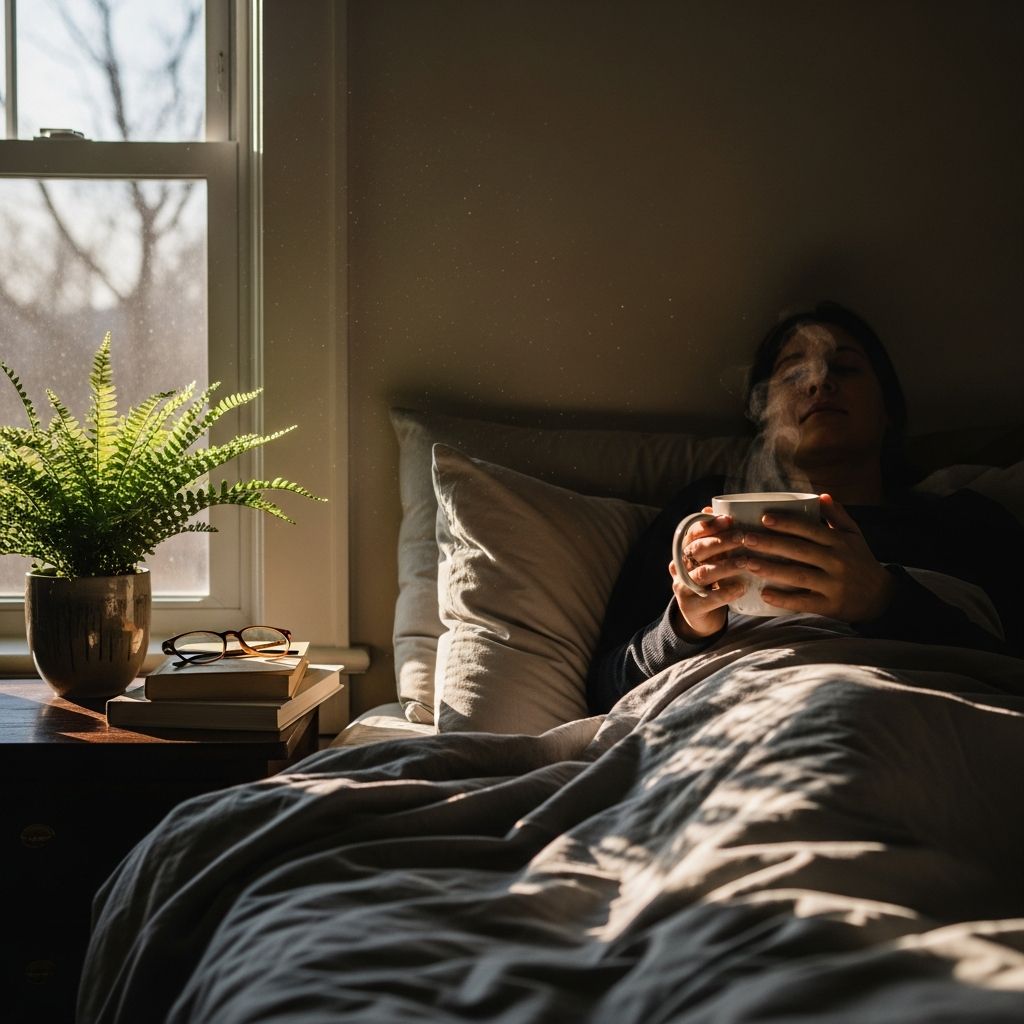
In today’s fast-paced world, where alarms blare at dawn and to-do lists dictate our days, a delightful Scottish tradition is gaining global traction: hurkle-durkling. This charming phrase captures the simple act of nestling under the covers, savoring quiet moments in bed long after waking. Far from mere laziness, it’s a rebellion against hustle culture, offering a pathway to reduced stress and enhanced well-being for parents, children, and families alike.
Tracing the Roots of This Cozy Custom
The term ‘hurkle-durkle’ hails from Scots language, documented in historical dictionaries as lounging in bed when one ought to rise. Derived from ‘hurkle,’ meaning to crouch or settle comfortably, its rhyming reduplication adds a playful rhythm that makes it irresistibly fun to say. Linguists trace its etymology to Old Norse and Middle English influences, evolving through centuries before resurfacing in modern slang.
Popularized by lexicographer Susie Dent in 2015, the word exploded on TikTok in 2024, evolving from its original implication of procrastination into a celebrated self-care ritual. Social media creators reframe it as an ‘ancestral rite,’ connecting users to heritage while ditching guilt. For parents juggling school runs and work calls, this resurgence feels like permission to pause.
Why Your Body and Brain Crave This Gentle Start
Rushing into the day triggers a cortisol spike, setting a frantic tone that lingers. Clinical psychologists note that a leisurely wake-up allows the body’s circadian rhythms to synchronize naturally, reducing anxiety and boosting focus. A study in the Journal of Sleep Research supports related habits like snoozing, showing extended rest leads to greater cognitive alertness despite fragmented sleep patterns.
- Hormonal harmony: Slow risings prevent abrupt adrenaline surges, promoting stable moods throughout the day.
- Mental recharge: Daydreaming or light reading in bed fosters creativity and emotional processing.
- Physical recovery: Extra lounging aids muscle relaxation and immune function, vital for sleep-deprived parents.
Parents report that hurkle-durkling transforms mornings from battles into bonding opportunities, teaching kids the value of unhurried time.
Health Advantages Backed by Science and Tradition
Emerging research aligns ancient wisdom with contemporary needs. Regular gentle extensions of sleep correlate with improved memory consolidation and emotional regulation, per sleep experts. In family contexts, this practice counters the ‘morning madness’ that strains relationships.
| Benefit | For Parents | For Children | Supporting Evidence |
|---|---|---|---|
| Stress Reduction | Lower cortisol levels | Calmer school prep | Psychologist insights on slow starts |
| Improved Alertness | Better decision-making | Enhanced focus | Journal of Sleep Research study |
| Family Bonding | Shared quiet time | Modeled self-care | Anecdotal trends in parenting media |
| Sleep Quality | Deeper recovery | Consistent routines | Circadian rhythm research |
These perks make hurkle-durkling a low-effort hack for thriving amid chaos.
Practical Strategies for Family-Friendly Hurkle-Durkling
Integrating this into routines requires intention. Start by calculating your ‘soft launch’ window: determine the latest bed-exit time allowing a relaxed prep for commitments.
- Prep the night before: Lay out clothes, pack lunches, and charge devices to eliminate morning friction.
- Set boundaries: Use a gentle timer—perhaps 20-45 minutes—to keep it restorative, not disruptive.
- Create ambiance: Dim lights, play soft sounds, or sip herbal tea in bed for immersion.
- Involve the family: Turn it into a group huddle with stories or stretches, fostering connection.
For working parents, weekends amplify benefits; midweek, pair it with micro-habits like gratitude journaling. Children aged 8+ can join, learning balance over burnout.
Debunking Myths: Laziness or Legitimate Rest?
Critics label it slothful, but context matters. Unlike ‘bed rotting’—prolonged isolation—hurkle-durkling emphasizes mindful presence. TikTok differentiates it as joyful, cultural indulgence, not avoidance. Parents wary of modeling poor habits can frame it as ‘recharge time,’ akin to athletes’ recovery.
Productivity gurus push dawn hustles, yet data shows forced early rises harm health. Balancing ambition with rest prevents resentment and sustains long-term output.
Real-Life Stories from Parents Embracing the Trend
One mother shares how 30 minutes of family hurkle-durkling quelled pre-school tantrums, sparking laughter instead. A father credits it with reclaiming joy post-burnout. These testimonials echo online virality, where users celebrate heritage ties amid modern grind.
Potential Pitfalls and How to Sidestep Them
Overindulgence risks tardiness or guilt spirals. Those with depression should consult professionals, as it might mask deeper issues. Tailor durations: 15 minutes for busy days, hours on days off.
- Track mood post-session to ensure uplift.
- Combine with movement, like bed yoga.
- Adapt for shift workers or insomniacs.
Frequently Asked Questions About Hurkle-Durkling
Is hurkle-durkling the same as bed rotting?
No. Bed rotting implies passive scrolling for hours, often unhealthily. Hurkle-durkling is intentional, short-term lounging with positive intent.
Can kids participate in hurkle-durkling?
Absolutely, with guidance. It teaches rest as strength, but set age-appropriate limits to build routines.
How long should a hurkle-durkling session last?
20-60 minutes max on weekdays, per experts, to balance rest and responsibilities.
Does it help with anxiety or insomnia?
Yes, by easing transitions. Studies link gradual wakings to better sleep hygiene.
What’s the origin story in detail?
From 19th-century Scots, via ‘hurkle’ (crouch), rhymed for whimsy. Revived by linguists and social media.
Building a Hurkle-Durkling Routine for Lasting Change
Sustain it by tracking benefits in a journal. Share with partners for accountability. As seasons shift—holidays amp frenzy—reclaim this ritual. In a culture glorifying grind, hurkle-durkling whispers: rest is revolutionary.
Ultimately, it’s about honoring your rhythm. Families practicing it report deeper connections, sharper minds, and lighter hearts. Embrace the duchess-like linger; your day—and loved ones—will thank you.
References
- The Internet Is Obsessed With Hurkle Durkle—Here’s How to Do It — WonderMind. 2024. https://www.wondermind.com/article/hurkle-durkle/
- hurkle-durkle — Wiktionary. Accessed 2026. https://en.wiktionary.org/wiki/hurkle-durkle
- Hurkle-durkling — From Quill to Quote (Viktoria Rendes). 2023-11-26. https://viktoriarendes.com/2023/11/26/hurkle-durkling/
- What is hurkle durkle? Why the meaning is bullsh*t — Mamamia. 2024. https://www.mamamia.com.au/what-is-hurkle-durkle/