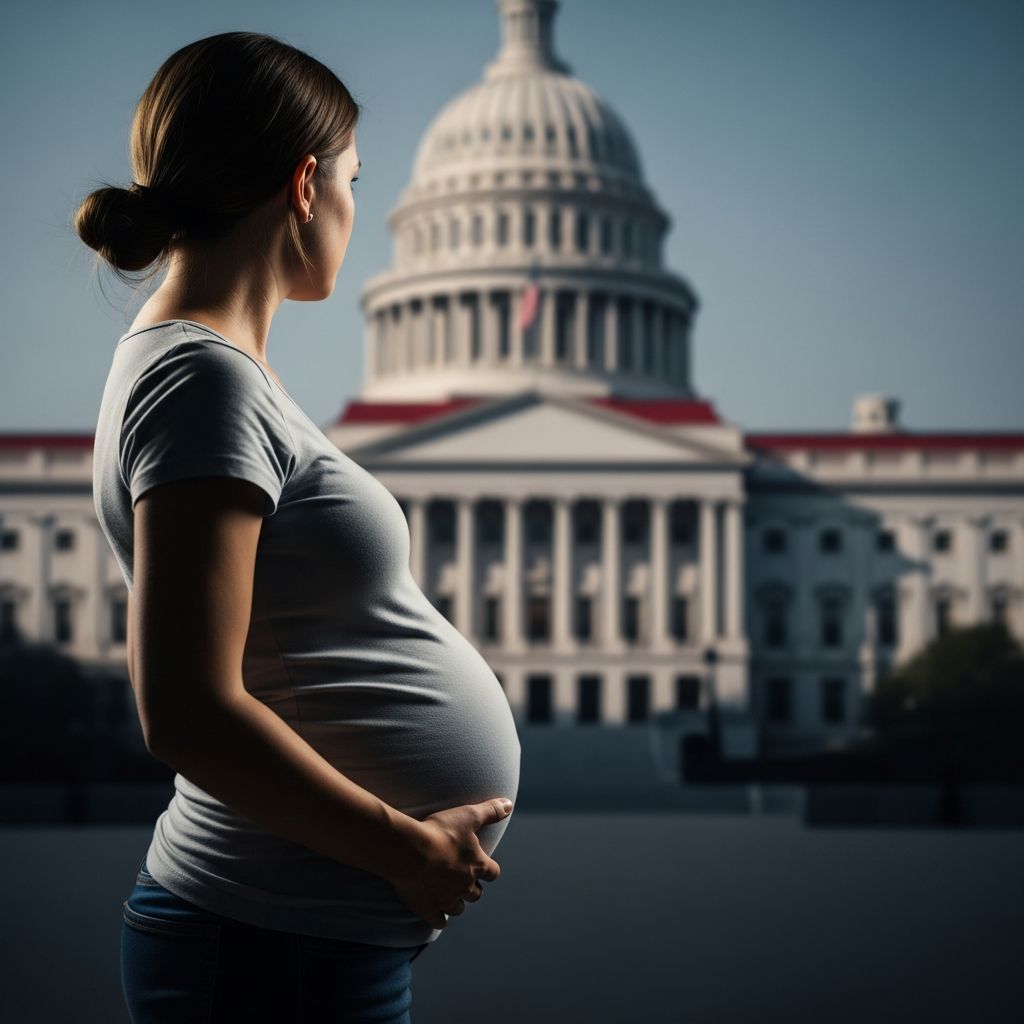
Recent U.S. health policies under President Trump have introduced significant shifts in maternal and reproductive care, raising alarms among experts about increased risks for pregnant individuals. These changes span budget cuts, vaccine recommendations, environmental protections, and guidance on everyday medications, collectively creating a more precarious landscape for expectant parents.
Deep Cuts to Public Health Infrastructure
The Trump administration’s reductions to key public health agencies have directly undermined programs vital for maternal and infant health. The Centers for Disease Control and Prevention (CDC) faced severe downsizing, including the elimination of approximately 2,400 jobs, with major impacts on the Division of Reproductive Health. This division, responsible for promoting reproductive, maternal, and infant well-being, lost most of its staff, including teams focused on women’s health, fertility, contraceptive best practices, and Assisted Reproductive Technology (ART) surveillance.
These cuts contradict executive orders aimed at expanding access to in vitro fertilization (IVF), a procedure Trump has championed. Experts warn that such reductions will heighten dangers during pregnancy by limiting research, guidelines, and monitoring essential for high-risk cases. For instance, the Pregnancy Risk Assessment Monitoring System (PRAMS), which has tracked maternal and infant health outcomes for over 35 years, was shuttered. PRAMS was crucial for identifying disparities, such as poorer outcomes for Black women compared to white women.
- Key Programs Affected: Contraceptive guidelines for sickle cell disease patients, who face elevated pregnancy risks and are disproportionately Black.
- Impact on IVF: Loss of surveillance teams hampers data-driven improvements in fertility treatments.
- Broader Consequences: Reduced capacity to address preterm births, infant mortality, and maternal complications.
Simultaneously, the Health Resources and Services Administration (HRSA) budget faces a proposed $1.73 billion cut in FY 2026, following layoffs of up to 600 workers. HRSA’s Maternal and Child Health Bureau funds initiatives like the Maternal, Infant, and Early Childhood Home Visiting Program, which supports family planning, prevents child neglect, and aids parental employment or education.
Vaccine Policy Shifts and Pregnancy Risks
A controversial decision by HHS Secretary Robert F. Kennedy Jr. removed COVID-19 vaccines from the CDC’s immunization recommendations for pregnant people, bypassing expert consultation and established protocols. Scientific evidence confirms that pregnancy elevates COVID-19 severity risks, and vaccines are safe and effective for this group. This change has disrupted insurance coverage, with reports of pregnant women denied vaccinations at pharmacies despite provider recommendations.
Public health leaders argue this move, based on misinformation, endangers vulnerable populations. Pregnant individuals now face heightened exposure without clear guidance, potentially leading to severe illness, hospitalization, or complications like preterm birth.
| Policy Change | Previous Status | Current Impact |
|---|---|---|
| COVID-19 Vaccine Recommendation | Included in CDC schedule for pregnant people | Removed; insurance denials reported |
| Consultation Process | Expert-reviewed protocols | Unilateral HHS decision |
| Evidence Base | Safety data for pregnant vaccination | Overridden by unproven concerns |
Pain Management Controversies During Pregnancy
President Trump and HHS Secretary Kennedy have publicly discouraged acetaminophen (Tylenol) use during pregnancy, citing unproven links to autism despite findings from the FDA and American College of Obstetricians and Gynecologists stating insufficient evidence. Trump’s Truth Social post in all caps warned against it, while Kennedy suggested women ‘tough it out’ or labeled users ‘irresponsible.’
These statements evoke historical myths like the ‘doctrine of maternal impression,’ where maternal actions were believed to directly mark fetuses. Critics highlight factual errors, such as Kennedy’s claim of Tylenol harming a ‘baby in the placenta’—fetuses develop in the uterus. Such rhetoric stigmatizes pregnant people, fostering fear of standard care and echoing efforts to control gestational behaviors.
Restricting pain relief exacerbates issues for those with disabilities or in abusive situations, where untreated pain hinders employment and independence. Mental health treatment faces similar scrutiny, shifting responsibility from systemic support to individual behavior.
Environmental Rollbacks and Maternal Health
Dismantling pollution regulations and canceling nearly 800 air and water quality grants disproportionately harms pregnant individuals. Air pollution correlates with stillbirths, fetal growth restriction, preterm birth, and preeclampsia. Climate-driven extreme heat amplifies risks of severe illness, complications, and maternal mortality.
These policies compound public health cuts, making neighborhoods less safe for families. Communities of color, already facing higher maternal risks, bear the brunt.
Insurance and Access Barriers Post-OBBBA
The One Big Beautiful Bill Act (OBBBA), signed July 4, 2025, slashed Medicaid and undermined the Affordable Care Act, stripping coverage from millions, particularly women who comprised 52% of Medicaid adults in 2023. Prohibitions on federal payments to Planned Parenthood further limit family planning, fertility, and maternal care.
Advocates note this fosters dependency, scrutinizes every health decision, and instills fear of seeking care amid legal uncertainties.
Reproductive Rights and Policy Incentives
While pushing higher birth rates via Heritage Foundation plans and incentives like cash bonuses or transport grants for IVF, policies narrow care options. Formula feeding, mental health aid, and pain meds are stigmatized, disempowering pregnant people.
Pregnant individuals face ‘an impossible situation where every decision… is subject to increasing scrutiny,’ per reproductive rights attorneys.
Frequently Asked Questions (FAQs)
What CDC programs were cut affecting pregnancy?
The Division of Reproductive Health lost most staff, including PRAMS and ART surveillance, critical for monitoring high-risk pregnancies and fertility.
Why was the COVID vaccine removed for pregnant people?
HHS Secretary Kennedy unilaterally acted against evidence of vaccine safety, impacting insurance and access.
Are Trump policies making pregnancy more dangerous?
Experts cite cuts, misinformation, and rollbacks as heightening risks like preterm birth and maternal death.
How do environmental changes affect expectant mothers?
Reduced pollution controls increase stillbirths, preterm risks, and heat-related complications.
What about pain relief like Tylenol?
Trump and Kennedy discourage it without strong evidence, despite medical consensus on its safety.
Path Forward for Maternal Health
To mitigate these challenges, advocates call for restoring funding, evidence-based policies, and protections ensuring equitable care. Pregnant Americans deserve support prioritizing health over ideology.
References
- Trump Has Made Pregnancy in America Harder Than Ever — The New Republic. 2025-01 (approx.). https://newrepublic.com/article/204931/trum-kennedy-health-policy-pregnancy
- The Trump Administration Is Endangering Women’s Reproductive Health — Center for American Progress. 2025 (recent). https://www.americanprogress.org/article/the-trump-administration-is-endangering-womens-reproductive-health/
- The sinister message behind Trump telling pregnant women to avoid Tylenol — Los Angeles Times. 2025-11-03. https://www.latimes.com/opinion/story/2025-11-03/trump-pregnancy-danger-tylenol
- CPC Director Karen Guzzo on Trump IVF Policies — UNC Carolina Population Center / Vox. 2025-12-18. https://www.cpc.unc.edu/news/trump-in-vitro-fertilization/