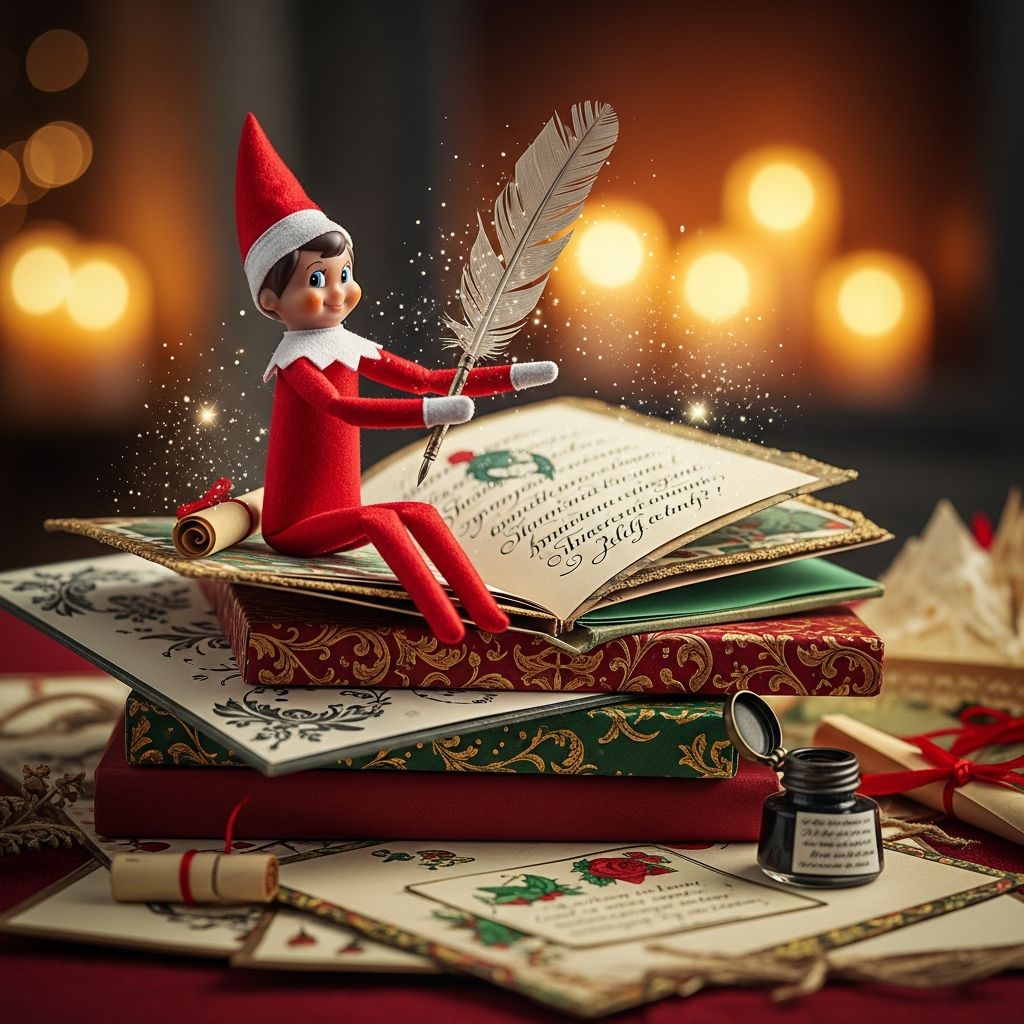
When the Elf on the Shelf comes back for the holiday season, a simple return letter can turn an ordinary morning into a moment your kids remember all year. A thoughtful note from your elf helps set the tone, explain any new rules, and build excitement for all the mischief to come.
This guide walks you step-by-step through planning, writing, and personalizing an Elf on the Shelf return letter, even if you are short on time and creativity. Use it as a flexible framework you can adapt to your family’s style, ages, and holiday schedule.
Why a Return Letter Matters
Many families already enjoy the fun of discovering where the elf is hiding each morning, but a return letter adds a layer of story and meaning. It explains why the elf is back, what the elf will be doing, and how children can participate in the magic.
The letter can also gently communicate expectations—like kindness, sharing, and listening—without sounding like a lecture from a parent. Because it comes from a playful character connected to Santa, kids often receive the message with more curiosity and less resistance.
Core Elements of a Great Elf Return Letter
A good Elf on the Shelf return letter does not need to be long or elaborate. Focusing on a few key elements makes it both magical and manageable.
- Warm greeting: Address your child or children by name so the letter feels personal.
- Reason for the visit: Explain that the elf has been sent from the North Pole to spend the season with your family.
- Simple rules: Remind kids about not touching the elf (if you follow that rule) and any house-specific guidelines.
- Encouragement: Mention positive things you have noticed and what the elf is excited to see this year.
- Holiday spirit: Refer to kindness, gratitude, and giving as important parts of the season.
- Fun teaser: Hint that surprises, games, or silly scenes might be coming.
Quick Planning Table
Use the table below as a simple planning tool before writing your letter.
| Letter Section | Goal | Helpful Prompts |
|---|---|---|
| Greeting | Make it personal and friendly. | Which names or nicknames does your elf use for your kids? |
| Introduction | Explain why the elf is back. | What did the elf do at the North Pole since last year? |
| Rules & Boundaries | Set expectations clearly but kindly. | What do you want more of at home: kindness, listening, helping? |
| Praise | Boost confidence and encourage good habits. | What positive changes or achievements can the elf “notice”? |
| Holiday Spirit | Highlight values beyond gifts. | How will your family give, share, or help others this year? |
| Teaser | Build excitement for upcoming days. | Any special activities, trips, or traditions you can hint at? |
| Sign-off | End on a warm, playful note. | What nickname or signature fits your elf best? |
Choosing a Tone: Silly, Sweet, or Somewhere in Between
Before you write, decide how you want the letter to sound. The tone you choose helps your elf feel like a consistent character, especially if this is not your first year.
- Silly and playful: Great for younger kids who laugh at jokes, funny rhymes, or pretend mishaps.
- Gentle and sweet: Works well if your family leans toward cozy, calm traditions and bedtime reading.
- Adventurous and curious: Fun if your elf always seems to be building, exploring, or “traveling.”
You can even mix these tones by opening with something sweet, inserting a bit of humor, and closing on an encouraging note about kindness or teamwork.
Personalizing the Letter for Your Family
The details you include are what make your letter feel unique. Children quickly notice when a note mentions real experiences they remember from the past year.
Consider weaving in references to inside jokes, favorite snacks, new pets, or big milestones like starting school, learning to ride a bike, or welcoming a new sibling. These small touches help convince kids that the elf really has been paying attention.
Personalization Ideas to Consider
- Include each child’s name and one specific compliment for them.
- Mention a favorite book, movie, or song the elf “heard” about at the North Pole.
- Refer to a place your family went this year that the elf thought sounded exciting.
- Add a small doodle, sticker, or drawing at the bottom that matches your child’s interests.
Age-Appropriate Letter Variations
Kids of different ages respond to different types of messages, so it helps to adjust the complexity of the letter accordingly. Short, simple phrases work best for younger children, while older kids enjoy more story and detail.
| Age Group | Letter Length | Style Tips |
|---|---|---|
| Toddlers & Preschoolers | 3–5 short sentences | Use simple words, big handwriting, and clear statements like “I am back” and “I missed you.” |
| Early Elementary | 1 short paragraph plus a list | Add light humor, mention specific behaviors, and offer one or two easy “challenges” like picking up toys. |
| Older Kids | 1–3 paragraphs | Include a bit of backstory about the North Pole, creative descriptions, and reminders about values like respect. |
Sample Structures You Can Adapt
Below are a few flexible structures you can use as a starting point. Instead of copying them word for word, treat them like blueprints and fill them in with your own personality and details.
Structure 1: Short and Sweet
- Greeting with names.
- One sentence about returning from the North Pole.
- One sentence about what the elf looks forward to seeing.
- Quick reminder of your main rule (for example, no touching the elf).
- Warm sign-off with the elf’s name.
Structure 2: Storytelling Style
- Opening line about an adventure or job the elf had at the North Pole.
- Explanation that Santa chose this home for the elf to visit again.
- Two or three sentences praising the kids for growth or kindness.
- Short list of fun things to watch for: games, crafts, or scavenger hunts.
- Closing note about reporting back to Santa and saying “see you in the morning.”
Structure 3: Encouraging Good Habits
- Greeting and return announcement.
- Sentence about how the elf loves watching kindness at home.
- A small list of “elf challenges,” such as helping with chores or sharing toys.
- Gentle reminder that the elf will tell Santa about thoughtful choices.
- End with gratitude and a fun tease about tomorrow’s hiding spot.
Pairing the Letter with a Simple Arrival Setup
The letter will have more impact if the elf’s arrival scene is easy to spot and fun to discover. This does not have to be complicated or time-consuming; a few everyday items can create a magical moment.
- Place the elf by the breakfast table with the letter propped against a cereal box or juice cup.
- Set up a mini “North Pole mailbox” out of a small box or envelope where the letter appears.
- Arrange the elf near the Christmas tree, nestled in the branches, holding or sitting beside the letter.
- Use a strand of fairy lights to “highlight” the area where the letter is waiting.
Time-Saving Tips for Busy Parents
December can be overwhelming, so the elf tradition should not add unnecessary stress. A little planning can keep things fun instead of exhausting.
- Draft once, reuse yearly: Write a basic letter you can tweak each year with new details.
- Print and handwrite a note: Type and print a simple letter, then add a few handwritten words for a personal touch.
- Keep a list of ideas: Jot down funny things that happen during the year to reference in future letters.
- Store supplies together: Keep paper, envelopes, markers, and tape in a small “elf box” so you are not hunting for them late at night.
Frequently Asked Questions About Elf Return Letters
Do I have to write a new letter every year?
No, you do not have to start from scratch each time. Many families reuse the same basic letter and update a few sentences to reflect new hobbies, achievements, or family events. The familiarity can even feel comforting to children who like repeated traditions.
What if I forget to put out the letter?
If a busy evening slips by, you can introduce the letter a day or two after the elf appears. You might say that the elf’s “delivery from the North Pole” was delayed by a snowstorm or that the elf was too excited and forgot to unpack it at first.
Should the letter always mention behavior and rules?
Not necessarily. If you prefer to keep the elf tradition lighthearted, your letter can focus mostly on fun, imagination, and shared family time. You can still include subtle, positive messages by praising cooperation, generosity, or sibling kindness.
Can I write one letter for multiple children?
Yes. A single letter can greet all the children in your home at once. To keep it personal, mention each child by name at least once and highlight something special about each of them so nobody feels overlooked.
What if my child is starting to question the elf?
If your child is older and more skeptical, the letter can gently shift toward emphasizing the tradition itself—family jokes, shared memories, and the spirit of giving—rather than focusing purely on magical explanations. This helps the tradition evolve with your child instead of ending abruptly.
Making the Tradition Your Own
There is no single “right” way to write an Elf on the Shelf return letter. The most important thing is that it reflects your family’s personality, priorities, and sense of humor. Whether your note is only a few lines or a full page, your kids will remember the feeling it created more than the exact words on the page.
Start simple, add details that matter to your household, and give yourself permission to adjust the tradition as your children grow. Over time, that small piece of paper may become one of your family’s favorite signs that the holiday season has truly begun.