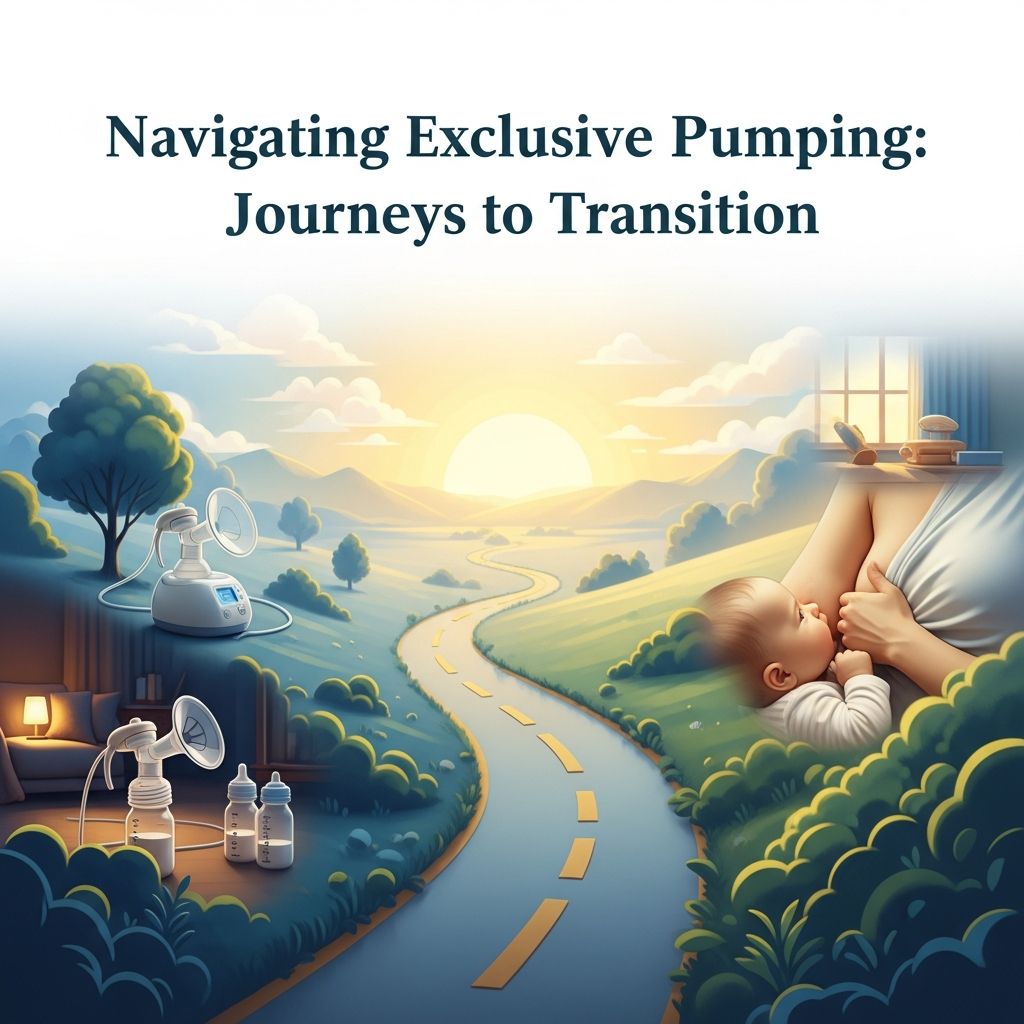
Exclusive pumping offers a vital pathway for many mothers to deliver breast milk when direct nursing isn’t feasible, yet deciding to transition away marks a profound milestone. This article delves into personal insights, practical techniques, and evidence-based strategies drawn from real experiences and reliable sources, empowering parents through this change.
Understanding the Exclusive Pumping Path
Exclusive pumping involves expressing breast milk via pump to fully nourish an infant, often due to latch issues, medical needs, or personal choice. Mothers commit to frequent sessions—typically every 2-3 hours daytime and 3-4 hours overnight—to sustain supply, yielding around 25 ounces daily for babies aged 1-6 months. This method preserves breast milk’s immunological benefits, though it demands significant time and emotional investment.
Many begin early, hand-expressing colostrum post-birth to jumpstart production, transitioning to double electric pumps with proper flange sizing for efficiency. Hands-on techniques, like gentle compression, and skin-to-skin contact boost output, while paced bottle feeding prevents overfeeding and mimics nursing rhythms.
Reasons Mothers Embrace and Eventually Shift from Pumping
- Latch or Medical Barriers: Babies in NICU or with sucking difficulties necessitate pumping, providing irreplaceable milk during recovery.
- Lifestyle Fit: Work schedules or personal preferences lead some to pump proactively.
- Emotional Drive: Delivering breast milk eases grief over unmet nursing goals, offering a sense of provision.
- Transition Triggers: Exhaustion, supply dips, or readiness for flexibility prompt weaning.
These choices highlight resilience, as pumpers often feel sidelined from breastfeeding communities yet persist for their baby’s optimal start.
Building a Robust Pumping Routine
Success hinges on consistency: pump 15-20 minutes per session, even post-flow, to signal demand and fully empty breasts. Double pumping elevates prolactin levels, while avoiding high suction prevents damage—lubricants like lanolin aid comfort. Power pumping, mimicking cluster feeds, can surge supply short-term.
| Daily Pumping Schedule Example (Newborn to 3 Months) | Frequency | Duration | Tips |
|---|---|---|---|
| Daytime | Every 2-3 hours (8 sessions) | 15-20 min | Hands-on compression; correct flange |
| Nighttime | Every 3-4 hours (1-2 sessions) | 15-20 min | One overnight essential for supply |
| Total Output Goal | 7-8 pumps/day | – | Aim 25 oz/day by 1-6 months |
Monitoring output and baby’s cues ensures adequacy, with paced feeding—holding upright, mid-feed position switches—fostering healthy habits.
The Emotional Terrain of Exclusive Pumping
Pumpers frequently grapple with isolation, guilt, and fatigue, amplified by societal breastfeeding emphasis. A study found 71% learn of pumping post-birth, leading to frustration; prior knowledge correlates with less depression and insecurity. Saliva exchange at breast enhances milk’s immunity, slightly reduced in pumped milk, though swabbing nipples with baby’s saliva helps adapt composition.
Community matters: connecting with fellow pumpers combats loneliness, reframing the effort as empowerment.
Signs It’s Time to Wean from the Pump
- Physical toll: Pain, mastitis risk from unrelenting schedule.
- Supply stability: Baby thrives on current volume.
- Emotional readiness: Desire for rest, bonding flexibility.
- Lifestyle shifts: Returning to work or family changes.
Recognizing these cues prevents burnout, signaling a healthy pivot.
Safe Strategies for Gradual Weaning
Abrupt cessation risks engorgement, blocked ducts, or mastitis—gradual reduction is key. Start by shortening sessions by minutes weekly or spacing them, maintaining one nighttime pump initially.
- Week 1-2: Extend intervals slightly; pump 12-15 min.
- Week 3-4: Drop one daytime session, adjust others to avoid gaps.
- Ongoing: Monitor for clogs; use cabbage leaves or massage for relief.
- Supply Boost/Reduction: Power pump if needed; shorten for oversupply.
Introduce formula supplements slowly if supply wanes, prioritizing baby’s nutrition.
Real Mom Stories: Paths to Freedom
Sarah’s Tale: After NICU separation, Sarah pumped 8x daily for four months. Overwhelmed, she dropped nighttime sessions first, then daytime, blending formula seamlessly. ‘Reclaiming sleep was life-changing,’ she shares, noting stronger marital bonds.
Jamie’s Experience: Latch refusal led Jamie to pump exclusively. At six months, fatigue peaked; gradual cuts over weeks eased her to mixed feeding. Skin-to-skin revived connection: ‘I mourned nursing but cherished our bottles.’
Taylor’s Journey: Choosing pumping for career, Taylor weaned at nine months by power pumping less, donating excess. ‘It felt like graduation—more family adventures await.’ These narratives underscore diverse, validating transitions.
Maximizing Bond Beyond the Pump
Weaning amplifies intimacy: extended cuddles, playtime replace sessions. Paced feeding evolves to cups, fostering independence. Partners share bottles, building equity.
Expert Tips for Long-Term Success
- Consult IBCLC early for tailored plans.
- Track intake/output via apps.
- Hydrate, nourish galactagogue-rich diet.
- Prioritize self-care: rest trumps perfection.
Frequently Asked Questions
How often should I pump exclusively?
Aim for 7-8 sessions daily: every 2-3 hours day, 3-4 night, 15-20 min each.
Can I stop pumping suddenly?
No—gradual reduction prevents mastitis; shorten/spread sessions over weeks.
Does pumped milk differ nutritionally?
Slightly less immune boost sans saliva mix, but rich in factors; swab nipples to adapt.
What if supply drops during weaning?
Pump longer per session initially; supplement if needed, seek lactation help.
Is exclusive pumping sustainable long-term?
Yes for many, but exhausting; weigh emotional/physical costs.
Transitioning from exclusive pumping reclaims time and vitality, honoring the commitment rendered. These steps and stories guide a compassionate close to this chapter.
References
- Exclusively Expressing Breastmilk for Your Baby — La Leche League. 2023. https://laleche.org.uk/exclusively-expressing-breastmilk-for-your-baby/
- CG Best Practices for Exclusive Pumping — Her Source Health. 2024. https://www.hersourcehealth.com/cg-best-practices-for-exclusive-pumping/
- Exclusive Pumping — KellyMom.com. 2023-01-15. https://kellymom.com/mother2mother/exclusive-pumping/
- If Only I’d Known More about Exclusively Pumping before Giving Birth — PubMed (Peer-reviewed). 2018-07-01. https://pubmed.ncbi.nlm.nih.gov/29979622/