Warming Your Baby’s Bottle: Essential Guidance for New Parents
One of the most common questions parents ask during those early months involves the best way to prepare their baby’s milk or formula for feeding. While it may seem like a straightforward task, the process of heating a bottle requires careful attention to safety and technique. Improper warming methods can expose your infant to dangerous hot spots, destroy vital nutrients in breast milk, or create unnecessary burn hazards. Understanding the correct approach ensures your baby receives properly warmed nutrition without compromising health or safety.
Why Temperature Control Matters in Infant Feeding
The internal skin of a baby’s mouth is extremely delicate and sensitive, which is why temperature management during bottle warming plays a critical role in preventing burns and injuries. Unlike adults who can adjust to temperature variations, infants have no defense mechanism against unexpectedly hot liquid. Additionally, the nutritional composition of breast milk contains antibodies and enzymes that can be damaged by excessive heat exposure. Formula, while more heat-resistant than breast milk, still benefits from gentle warming that preserves its intended nutritional profile.
The ideal serving temperature for any baby’s bottle mirrors the natural warmth of the human body—approximately 98 to 100 degrees Fahrenheit. This temperature ensures comfort for your baby while maintaining the integrity of the milk or formula you’ve carefully prepared or expressed.
Effective Warming Methods That Protect Your Baby
The Warm Water Submersion Technique
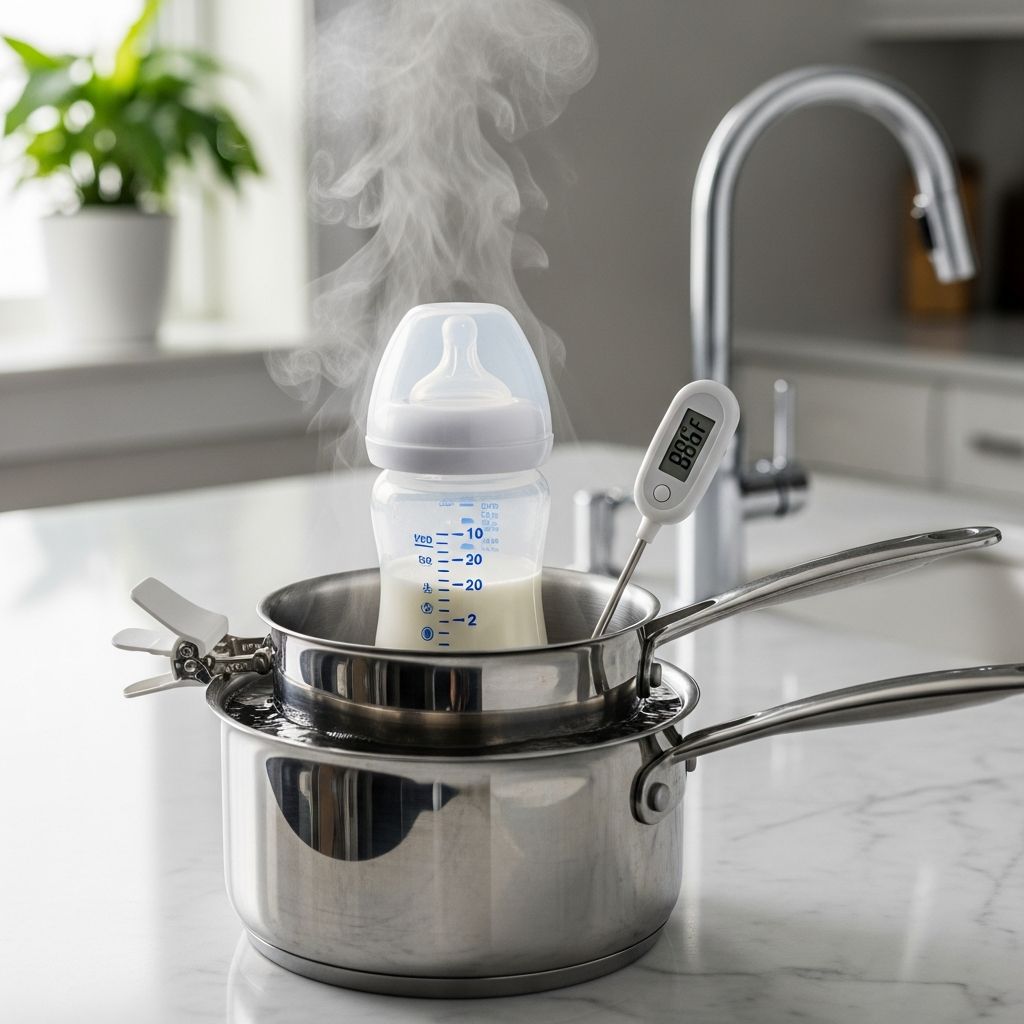
The most traditional and widely recommended approach involves submerging the bottle in warm water. This method requires minimal equipment and provides reliable, gentle heating that preserves nutritional content. To execute this method properly, fill a bowl or cup with warm tap water—warm enough to effectively heat the bottle but cool enough that you can comfortably hold your hand in it. Place the sealed bottle in this water bath for no more than 15 minutes. Once warmed, gently swirl the bottle to ensure even temperature distribution throughout the milk, but avoid vigorous shaking as this can introduce air bubbles and potentially damage heat-sensitive components of breast milk.
Electric Bottle Warmer Systems
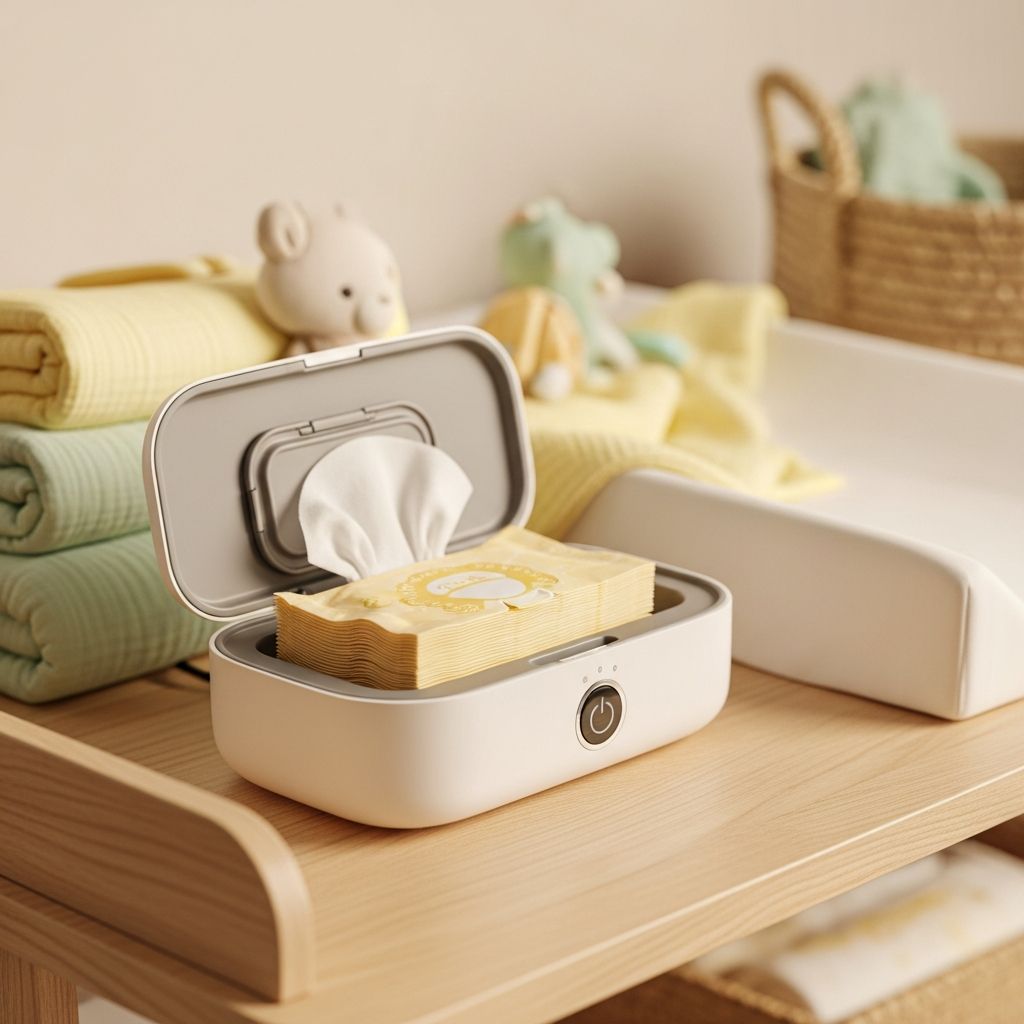
Specially designed electric bottle warmers represent the most convenient option for many modern families. These devices are engineered to warm bottles gently and evenly while eliminating guesswork from the process. Quality bottle warmers feature built-in temperature controls that prevent overheating, protecting your baby from burn risks. When selecting an electric warmer, ensure it’s compatible with your specific bottle type and always follow the manufacturer’s instructions carefully. Electric warmers that use warm air rather than water or steam are particularly effective, as they reduce the risk of accidental scalding injuries.
Warm Running Water Method
For situations when you’re away from home or don’t have access to specialized equipment, running your bottle under warm tap water provides an effective alternative. Hold the bottle under warm-to-hot running water and slowly rotate it to ensure all sides receive consistent heat exposure for approximately two minutes. While this method takes longer than other options, it works effectively when other methods aren’t available, such as at restaurants or while traveling.
Portable Heat Solutions for On-the-Go Parents
Traveling parents benefit from portable warming options that don’t require electricity or elaborate setup. A thermos filled with hot water before leaving home can serve as an effective warming vessel during outings. When you need to warm a bottle, pour the hot water into a bowl and place your bottle inside, similar to the traditional warm water bath method. Pre-warmed gel packs or hand warmers offer another portable solution—wrap these around your bottle to gently raise the temperature while you monitor progress to prevent overheating.
Emergency Body Heat Method
In genuine emergencies when no other warming method is available, you can use your own body heat to gradually warm a bottle. Place the bottle under your arm or against your chest beneath your clothing, allowing your natural body temperature to slowly raise the milk’s warmth. While significantly slower than other methods, this emergency technique can provide comfort to a hungry baby when alternatives aren’t immediately accessible.
Methods to Avoid: Dangerous Warming Practices
Why Microwave Warming Is Prohibited
The American Academy of Pediatrics explicitly prohibits microwave warming of baby bottles. This prohibition exists for several critical safety reasons. Microwaves heat liquids unevenly, creating dangerous hot spots within the milk while the bottle itself may feel cool to the touch. Your baby could sustain serious mouth burns from these internal temperature variations. Additionally, microwave radiation alters the composition of breast milk, destroying important antibodies and enzymes that provide essential immune protection. The convenience of microwave heating is vastly outweighed by the serious safety and nutritional risks it creates.
Why Boiling Water Is Inappropriate
Using boiling water to warm bottles creates unnecessary scalding risks and can damage bottle integrity. Boiling temperatures far exceed what’s needed to reach the ideal serving temperature, making accidents more likely. Additionally, excessively hot water can warp bottles over time, creating microscopic damage where bacteria can accumulate. There’s simply no reason to subject a bottle to boiling water when gentler, safer methods accomplish the goal effectively.
Other Methods to Prevent
Stove-top heating, crock-pot or slow cooker warming, and water dispenser heating are not recommended warming techniques. These methods either create uneven heating, pose burn hazards, or can damage bottles and introduce contamination risks. Stick with the proven methods detailed above for consistent safety and effectiveness.
Testing Temperature: The Wrist Method Explained
Before every feeding, you must test the milk temperature using the inside of your wrist. This area of skin contains the same thin, sensitive tissue found in your baby’s mouth, making it an accurate gauge for what your infant will experience. Place a few drops of warmed milk on this sensitive area—the milk should feel pleasantly warm but never hot. If the sensation feels hot against your wrist, it’s too warm for your baby and requires additional cooling time. When in doubt, err on the side of serving cooler rather than hotter milk, as you can always warm it further but cannot undo burn injuries.
Preventing Burns and Scalding Injuries
Immediate Care for Accidental Burns
Despite best precautions, accidents can happen. If your baby experiences a burn from warm milk or a warming device, immediately run the affected area under lukewarm water for 10 to 20 minutes. This extended cooling gradually reduces heat damage and prevents the injury from worsening. Never apply ice directly to the burn, as this can paradoxically worsen tissue damage. Similarly, avoid using butter, oil, or ointments on burns, as these can trap heat or increase infection risk. Seek medical evaluation for any significant burns to ensure proper treatment.
Safe Device Management and Storage
Keep all bottle warming devices and supplies out of reach of children to prevent accidental injuries. Ensure that bottle warmers cannot tip or fall into areas where children play. Store hot water containers securely and maintain all equipment according to manufacturer guidelines. Regular cleaning of your warming device prevents bacterial growth and ensures optimal performance, so replace water in reservoirs regularly even between uses.
Storage and Reheating Guidelines
Never reheat the same bottle of milk more than once, as repeated heating increases bacterial growth risk and further degrades nutritional content. Use warmed milk within one hour of heating, and discard any remaining milk after your baby finishes feeding. When warming breast milk specifically, take care not to overheat, as this destroys the beneficial antibodies and enzymes that make breast milk so nutritionally superior. Following these guidelines protects your baby from foodborne illness while maintaining the nutritional benefits of your carefully prepared milk.
Hygiene Considerations for Bottle Warming Equipment
Maintain the same strict hygiene standards for bottle warming devices as you do for bottles and other feeding equipment. Regular cleaning prevents bacterial growth and ensures your equipment functions optimally. If using an electric warmer with a water reservoir, replace the water frequently to prevent stagnation and bacterial accumulation. Clean the exterior and interior surfaces of your warming device according to manufacturer instructions, typically involving gentle washing with warm soapy water.
Special Considerations for Different Bottle Types
When using bottles with internal components such as specialized vent inserts or reservoir tubes, remove these parts before warming to prevent pressure buildup and potential leaks. You can leave the nipple and collar loosely attached or use a travel cap designed for your bottle type. Glass bottles require particular caution during warming—while glass is safe when handled properly, rapid temperature changes can occasionally cause cracking, so warm glass bottles gradually using the warm water bath method rather than sudden heat exposure.
Common Questions About Bottle Warming
What’s the fastest way to warm a bottle when my baby is hungry?
Electric bottle warmers typically warm bottles in 3-5 minutes, making them the fastest convenient option. If you don’t have a warmer available, running the bottle under warm tap water while rotating it takes about 2 minutes. While your instinct may be to use a microwave for speed, this creates serious safety risks that aren’t worth saving a few seconds.
Can I warm bottles in advance for nighttime feedings?
You shouldn’t warm bottles in advance and let them sit, as this promotes bacterial growth. Instead, prepare bottles with cold milk and warm them individually just before feeding. This takes only a few minutes and ensures your baby receives fresh, safely heated milk each time.
How do I know if my bottle warmer is working correctly?
Test your warmer by checking that it reliably brings bottles to approximately 98-100°F without creating hot spots. Use the wrist test every time until you’re confident in your device’s performance. If your warmer consistently produces uneven heating, consider replacing it with a more reliable model.
Is tap water safe to use for warming bottles?
Yes, warm tap water is safe for the warm water bath method. You don’t need boiling or distilled water—regular warm tap water works perfectly for gently heating bottles. Just ensure the water temperature is warm enough to heat your bottle but not so hot that you can’t comfortably hold your hand in it.
What should I do with leftover warmed milk?
Discard any milk remaining in the bottle after your baby finishes feeding. Don’t store warmed milk for later use, as bacteria can multiply rapidly in warmed milk that hasn’t been consumed. Always prepare fresh bottles for each feeding to maintain maximum safety and nutritional value.
Can I warm bottles while they’re still in the refrigerator in warm water?
Yes, this is actually an effective method. Remove the cold bottle from the refrigerator and immediately place it in a bowl of warm water. This gradual warming from cold to room temperature is gentle on the milk and takes just 5-10 minutes depending on the starting temperature and water warmth.
Summary: Best Practices for Safe Bottle Warming
Warming your baby’s bottle properly combines several essential elements: choosing a safe warming method, maintaining appropriate temperatures, testing before serving, and following proper storage guidelines. The warm water bath method remains the gold standard for its simplicity and reliability, while electric warmers offer convenience for busy parents. Electric warmers with air-based heating and temperature controls provide an excellent modern alternative. Regardless of which method you choose, never use microwaves, boiling water, or other dangerous techniques that risk burns or nutritional damage.
Invest time in learning proper warming techniques during your early weeks as a parent—this foundational skill protects your baby from injury while ensuring they receive milk with preserved nutritional benefits. Your careful attention to these details demonstrates the care and thoughtfulness you bring to every aspect of your infant’s wellbeing.
References
- How to Warm Baby Bottle: The Do’s, Don’ts, and Best Tips — Momcozy. Accessed January 2026. https://momcozy.com/blogs/babycare/how-to-warm-baby-bottle
- Everything You Need to Know Bottle Warmers — Nanit. Accessed January 2026. https://www.nanit.com/blogs/parent-confidently/baby-bottle-warmers-guide
- Tips on How to Warm a Baby Bottle Safely — Tommee Tippee. Accessed January 2026. https://www.tommeetippee.com/en-us/parent-library/newborn-baby/feeding/bottle-feeding/heating-a-baby-bottle-the-right-way
- Bottle Warming Safety Policy — Massachusetts Department of Public Health. 2024. https://www.mass.gov/doc/updated-bottle-warming-safety-policy/download
- How to Warm a Baby Bottle — Dr. Brown’s Baby. Accessed January 2026. https://drbrownsbaby.com/blogs/articles/how-to-warm-a-baby-bottle
- Safe Food for Babies and Children: Warming Bottles Safely — North Dakota State University Extension. Accessed January 2026. https://www.ndsu.edu/agriculture/extension/publications/safe-food-babies-and-children-warming-bottles-safely