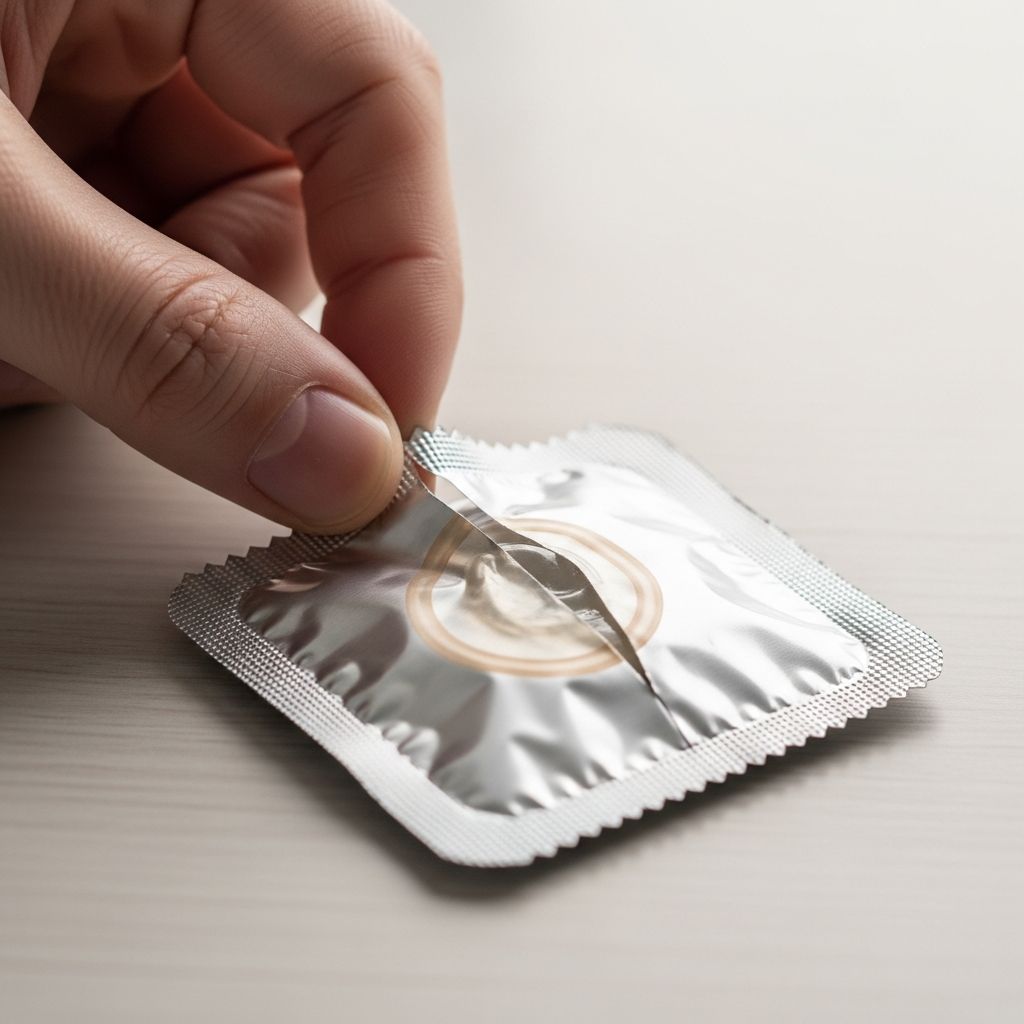
External condoms (often called male condoms) are one of the most widely available and effective tools for reducing the risk of pregnancy and many sexually transmitted infections (STIs) when they are used the right way every time you have sex.
This guide gives clear, teen-friendly steps on how to choose, put on, use, and throw away an external condom, plus answers to common questions and myths.
Why Condoms Matter
Using condoms correctly and consistently can:
- Lower the risk of pregnancy when used with every episode of vaginal sex.
- Reduce the risk of many STIs like chlamydia, gonorrhea, and HIV for vaginal, anal, and oral sex.
- Provide protection that starts right away (unlike some hormonal methods that take time to become fully effective).
- Be used with most other birth control methods for extra protection.
Most condom failures happen because of incorrect use, not because the condom itself is defective. Learning the steps now helps you avoid stressful situations later.
Choosing the Right Condom
Not all condoms are the same. When picking condoms, pay attention to material, size, lubrication, and quality marks.
1. Material
- Latex condoms: The most common type and highly effective at preventing pregnancy and STIs when used correctly. Avoid if you or your partner has a latex allergy.
- Polyurethane or polyisoprene condoms: Good options for people with latex allergies. They also help protect against pregnancy and STIs when used properly.
- Natural membrane (“lambskin”) condoms: May help prevent pregnancy but do not reliably block viruses that cause some STIs. These are not recommended if STI protection is important.
2. Size and Shape
A condom that fits well is less likely to slip off or break.
- Too tight: Can feel uncomfortable and may be more likely to tear.
- Too loose: Can slide off during sex.
- Snug, standard, and larger sizes are often available; you may need to try a few brands to see what feels secure and comfortable.
3. Lubrication and Extras
- Pre-lubricated condoms can make sex more comfortable and reduce friction that can cause breakage.
- Nonoxynol-9 (spermicide) condoms are not recommended because they can cause irritation and do not add meaningful protection against pregnancy or STIs.
- Flavors, colors, and textures are mostly about preference; they do not change basic effectiveness if used correctly.
4. Package Checks
- Look for expiration dates and do not use condoms past that date.
- Check that the packaging is sealed, not torn, and not dried out. If the wrapper is damaged or the condom looks brittle or sticky, throw it away.
- Choose condoms from trusted brands and reputable stores to make sure they meet safety standards.
Storing Condoms Safely
How you store condoms can affect whether they work properly.
- Keep condoms in a cool, dry place away from heat and direct sunlight.
- Do not store condoms in a wallet, car, or anywhere with heat and constant friction, which can weaken the material.
- Use a small box, drawer, or bag at home. If you need to carry one, use a protective case and do not leave it in pockets for long periods.
Step-by-Step: How to Put On an External Condom
Follow these steps each time an external condom is used. These directions apply to condoms placed on a penis or on a sex toy shaped like a penis.
| Step | What to Do | Why It Matters |
|---|---|---|
| 1. Check the package | Confirm the condom is not expired and the wrapper is sealed and undamaged. | Old or damaged condoms are more likely to break. |
| 2. Open carefully | Push the condom to one side of the wrapper and tear open with your fingers, not teeth or sharp objects. | Teeth, scissors, or long nails can tear the condom. |
| 3. Make sure the penis is erect | Put the condom on before the penis touches the partner’s genitals, mouth, or anus, and only when it is fully hard. | This gives the best protection against pregnancy and STIs. |
| 4. Position the condom | Place the condom on the tip of the erect penis with the rolled rim on the outside. If uncircumcised, pull back the foreskin first. | Starting the right way makes it easier to roll down smoothly. |
| 5. Pinch the tip | Use your thumb and finger to squeeze the tip and leave a small space (about half an inch) to collect semen. | Removing air reduces the chance of the condom bursting during ejaculation. |
| 6. Roll down | While still pinching the tip, use your other hand to roll the condom all the way down to the base of the penis. | A fully unrolled condom is more secure and less likely to slip off. |
| 7. Add lubricant if needed | Apply a small amount of water-based or silicone-based lube to the outside of the condom if you want more lubrication. | Proper lubrication reduces friction and lowers the risk of the condom tearing. |
If the condom does not unroll easily, it may be inside out or damaged. Do not flip it over and try again; bodily fluids may already be on it. Throw it away and start with a new condom.
During Sex: Using the Condom Correctly
- Once the condom is on, make sure it stays all the way down to the base of the penis.
- Check occasionally that it has not slipped off or rolled up, especially if a lot of movement is happening or if the penis becomes less hard.
- If the condom starts to feel very dry or sticky, add more water-based or silicone-based lubricant to the outside.
- If the condom breaks, leaks, or slips off at any time, stop right away and put on a new condom before continuing.
After Sex: Removing and Throwing Away the Condom
- Right after ejaculation, while the penis is still hard, the person wearing the condom should hold the rim at the base of the condom with their hand.
- Carefully pull out of the partner, still holding the condom at the base.
- Move away from your partner, then gently slide the condom off, making sure semen stays inside.
- Tie a knot at the open end if you want extra security against leaks.
- Wrap the condom in tissue or toilet paper and throw it in the trash. Do not flush it down the toilet; this can clog plumbing.
- Wash your hands and any areas where semen may have touched the skin.
Lubricants: What Is Safe With Condoms?
Safe Lubes for Latex and Similar Condoms
- Water-based lubricants (often labeled as safe to use with condoms).
- Silicone-based lubricants, also usually labeled condom-safe.
Lubricants to Avoid With Latex Condoms
- Petroleum jelly (Vaseline)
- Baby oil, massage oil, mineral oil
- Coconut oil, cooking oils, butter, shortening
- Body lotions or creams that are not labeled as condom-safe
If you are not sure, check the product label. When in doubt, choose a water-based lubricant clearly marked as safe for use with condoms.
Common Condom Mistakes to Avoid
- Not using a condom from the start: Protection is needed before any genital, anal, or oral contact begins.
- Using two condoms at once (double-bagging): Friction between condoms increases the chance they will tear. Use only one condom.
- Reusing a condom: Condoms are single use only. Always use a new one each time you have sex.
- Unrolling the condom before putting it on: Always place it on the tip first, then roll it down.
- Forgetting to pinch the tip: Leaving air at the tip can cause the condom to burst during ejaculation.
- Ignoring damage or expiration dates: If the condom looks dried out, sticky, torn, or expired, throw it away and use a new one.
- Using the wrong lubricants: Oil-based products can break down latex and cause tears.
- Storing condoms improperly: Heat and friction, like in a wallet or car glove box, can weaken them over time.
What If Something Goes Wrong?
- Pregnancy concerns: Emergency contraception (EC) can help reduce the chance of pregnancy after unprotected vaginal sex if taken soon after the incident. Some types are available without a prescription, but access depends on your location.
- STI concerns: If you are worried about STIs, contact a clinic, doctor, or health service to ask about testing and follow-up as soon as possible.
- Do not wait: The earlier you seek help, the more options you may have.
Talking With a Partner About Condoms
- Bring up condoms before you are in a sexual situation so you both know what to expect.
- Use clear statements like, “I only have sex with a condom,” or “I want us both to be protected from pregnancy and STIs.”
- Keep condoms and compatible lubricant easily available if you are sexually active.
- Remember that using condoms is a sign of respect for both partners’ health, not a lack of trust.
Frequently Asked Questions (FAQs)
Are external condoms effective at preventing pregnancy?
When used perfectly every time, external condoms are highly effective at preventing pregnancy. In typical use, people sometimes make mistakes, so the protection level is somewhat lower, but still significant. Pairing condoms with another form of birth control (like pills, an IUD, or an implant) provides even stronger protection.
Do I have to be a certain age to buy condoms?
In many places, anyone of any age can buy condoms without a prescription, including teens. Cashiers generally cannot refuse to sell them based on age. If you feel uncomfortable at a store, you can also look for clinics or youth health centers that provide condoms.
Can I reuse a condom if there was no ejaculation?
No. Condoms are designed for one-time use only, whether or not ejaculation occurred. Bodily fluids can still be present, and the material may be weakened after use.
Do I still need condoms if my partner and I are both on birth control or only have one partner?
Hormonal birth control methods can greatly reduce the risk of pregnancy, but they do not protect against STIs. Condoms help lower STI risk, even in relationships with only one partner, especially if neither of you has been fully tested.
What if condoms make sex feel different?
Many people adjust quickly to the feel of condoms. Trying different sizes, shapes, thicknesses, and lubricants can help you find a type that feels good while still being safe. Some condoms are made thinner for sensitivity, while others have textures or added lubrication for comfort and pleasure.
Are condoms only for vaginal sex?
No. External condoms can be used for vaginal, anal, and oral sex to reduce the risk of STIs. For oral sex, some people use flavored condoms for taste. Internal condoms and other barrier methods (like dental dams) are also options, but this guide focuses on external condoms.
References
- Condom Use: An Overview — Centers for Disease Control and Prevention (CDC). 2023-02-07. https://www.cdc.gov/condom-use/index.html
- How to Use a Condom — Centers for Disease Control and Prevention (CDC). 2023-02-07. https://www.cdc.gov/condom-use/resources/external.html
- Condoms: Types, Use, Effectiveness & How They Work — Cleveland Clinic. 2022-11-17. https://my.clevelandclinic.org/health/treatments/9404-condoms
- How to put on a condom | 60-second summary — Geeky Medics / YouTube. 2021-08-13. https://www.youtube.com/watch?v=UKb47Qwr1C0
- Tips for How to Put on a Condom Correctly — Trojan (Church & Dwight Co.). 2023-06-01. https://www.trojanbrands.com/en/sex-information/how-to-put-on-a-condom