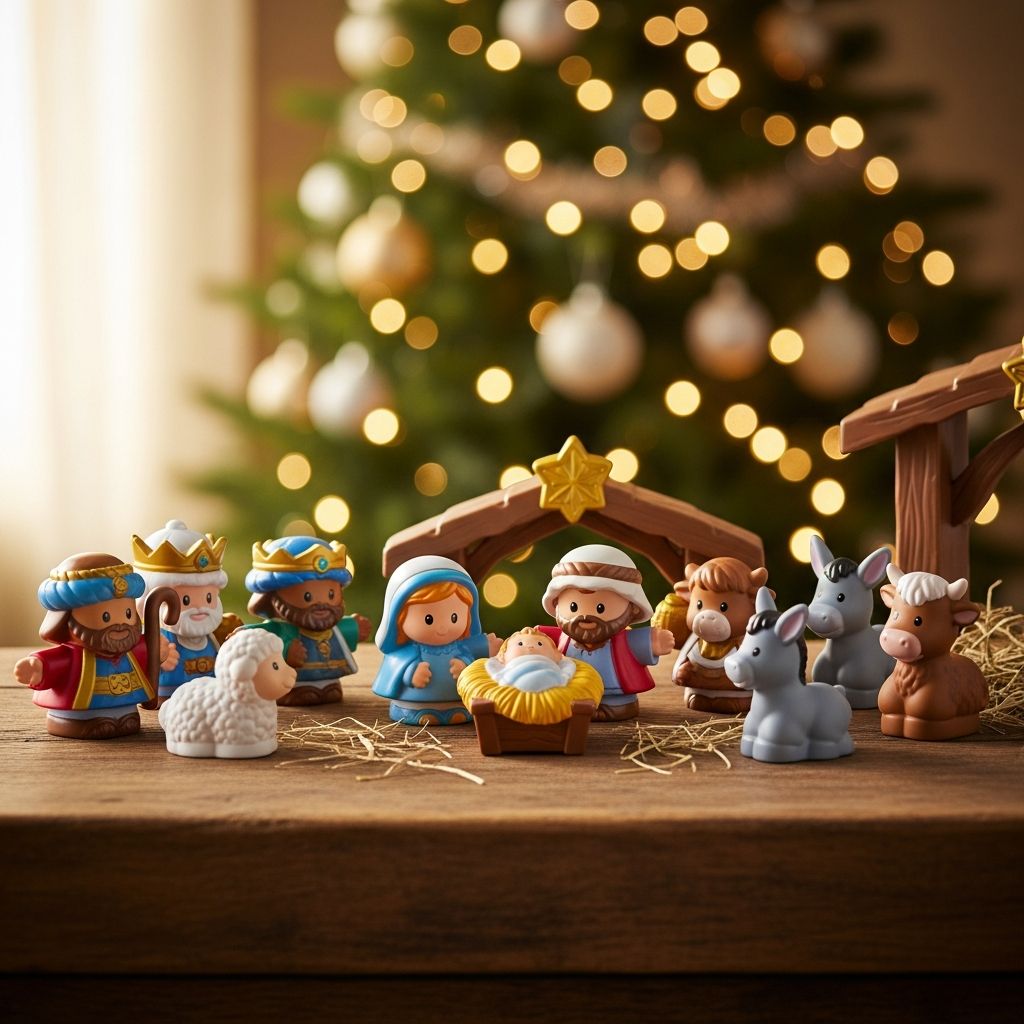
Transform the December countdown into a simple, playful game that guides your family toward connection, generosity, and fun instead of stress and over-scheduling.
Why Turn Your Advent Calendar into a Game?
For many families, the weeks before the winter holidays feel rushed, noisy, and full of obligations. A game-style Advent countdown gently pushes back against the chaos by giving everyone a predictable daily touchpoint that feels fun instead of demanding.
Unlike traditional treat-only calendars, a game format invites kids and adults to participate, make choices, and notice the season as it unfolds. It becomes less about getting something and more about playing together.
Core Concept: A Daily Draw-and-Do Challenge
The heart of this approach is very simple: each day, someone draws a prompt and the family completes a small challenge together. Prompts can be silly, reflective, generous, crafty, or cozy — as long as they are doable within your real life.
You can design the prompts so that some days are super quick (a five-minute conversation or game) while others invite longer activities for weekends or evenings when you have more time.
Materials You Can Use (No Fancy Supplies Needed)
There is no single correct way to format your game. Choose what feels realistic for your time, budget, and crafting energy. You can keep it as low-tech or as decorative as you like.
- Index cards or cardstock cut into small rectangles for writing prompts.
- Markers, stickers, or colored pencils for decorating the cards.
- A small box, jar, fabric bag, or set of envelopes to hold the prompts.
- Optionally, numbered tags or stickers if you want to assign specific dates.
- Plain printer paper, if you plan to type and print prompts instead of writing by hand.
Having children help decorate the container or cards is an easy way to involve them from the start and build anticipation for the countdown.
Designing Your Own Prompt Sets
Before you write anything down, think about how December usually feels for your household. If evenings are busy with homework and activities, aim for mostly short, low-prep ideas with just a few bigger projects saved for slower days.
Grouping your prompts into categories helps balance your month and prevents you from accidentally planning three time-consuming projects in a row.
Four Helpful Prompt Categories
- Connection: Quick games, shared conversations, or activities that bring people into the same room for a few minutes.
- Creativity: Simple crafts, drawing, writing, or building prompts that use what you already have at home.
- Kindness: Actions that support neighbors, friends, charities, or each other.
- Cozy Moments: Quiet rituals that slow the pace, like reading, music, or warm drinks together.
| Category | Time Needed | Example Prompt |
|---|---|---|
| Connection | 5–15 minutes | Play one round of a favorite board or card game before bedtime. |
| Creativity | 20–40 minutes | Make a simple paper decoration for a window or doorway. |
| Kindness | 10–30 minutes | Prepare a small note or drawing to mail or deliver to someone who might need encouragement. |
| Cozy Moments | 15–30 minutes | Drink warm cocoa or tea together while talking about a favorite holiday memory. |
Step-by-Step: Building the Game
This simple process avoids perfectionism and keeps your Advent game flexible. You are not writing a contract for the month; you are creating a menu of options that you can adjust as life happens.
Step 1: Decide on Your Time Frame
Many people start on the first day of December and go through the 24th or 25th, but you can also begin later or choose only weekends if that suits your schedule better. The goal is consistency, not an arbitrary date range.
Step 2: Brainstorm a Large Pool of Ideas
- Sit down with your family and ask everyone to suggest quick, realistic activities.
- Aim for more ideas than you need so you can drop any that feel too ambitious.
- Include a mix of active, quiet, silly, and reflective options.
Step 3: Match Activities to Your Calendar
Look at a calendar and mark days that are already full so you can schedule short, low-energy prompts on those dates. Reserve any involved crafts, baking projects, or outings for open afternoons or weekends.
Step 4: Write and Decorate Your Prompt Cards
- Write one activity per card or slip of paper, using big, clear handwriting.
- Add small doodles or color-coding for the different categories if you like.
- If you want a surprise element, keep the cards unnumbered and draw them randomly.
Step 5: Set a Daily Routine for Drawing a Card
Choose a specific moment for the daily draw, such as after dinner or right before pajamas. A consistent time signals to kids that the activity is part of the rhythm of the season, not an extra chore.
Low-Prep Activity Ideas for Busy Evenings
Some nights you will barely have the energy to change into pajamas, let alone tackle a craft project. These low-prep prompts keep the game going without overwhelming anyone.
- Choose one holiday song and have a two-minute living-room dance party.
- Go outside for five minutes and look for the brightest star you can see.
- Share one thing that made you smile today while sitting together on the couch.
- Let each person choose a cozy drink (milk, cocoa, tea) and sip together while reading a short story or picture book.
- Write a quick note or draw a picture to leave on someone’s pillow as a surprise.
- Pick one toy, book, or piece of clothing to donate and talk briefly about why giving matters.
Weekend or Long-Form Activity Ideas
When you have more time, you can draw prompts that stretch into a full afternoon or evening. These experiences often become the memories children talk about for years afterward.
- Prepare a simple baking project together, such as cookies, muffins, or a quick bread to share with neighbors.
- Create a basic craft, like salt dough ornaments, paper snowflakes, or a garland from scrap paper.
- Take a walk or short drive to look at decorations, lights, or window displays in your area.
- Host a family “mini movie night” with one seasonal film, popcorn, and blankets.
- Set up a kindness mission, such as assembling a small care package for relatives or a local charity.
- Build a blanket fort or indoor “campout” and read stories by flashlight.
Including All Ages and Personalities
A game-style Advent calendar works best when every member of the household can participate in some way. That may mean adjusting the difficulty level of activities or offering choices for older kids and teens.
- Let younger children handle drawing the card or adding stickers to finished prompt cards.
- Invite older kids to help design, write, or even secretly prepare certain activities.
- Offer alternatives within a single prompt, such as reading a picture book with younger kids or a short story or article with older ones.
Keeping the Game Flexible (and Stress-Free)
Real life does not pause for the holidays. Some days, you will skip a prompt, change one on the fly, or decide that the activity simply does not fit the mood. That is not a failure; it is part of designing a tradition that can last.
- Allow yourself to replace any card that feels unrealistic the moment you draw it.
- Keep a small set of “emergency prompts” ready, such as reading together for ten minutes or sharing a favorite memory.
- Remember that the purpose is connection, not productivity. If everyone ends up just sipping cocoa and talking, the goal has still been met.
Printable Layout Ideas (Without Overcomplicating Things)
If you enjoy designing on a computer, you can create a simple printable sheet of prompts and cut them apart. If not, handwritten cards are more than enough. Either option can look charming once tucked into envelopes or a decorated box.
- Create a one-page grid of small rectangles in a word processor, type an activity into each box, then print and cut them out.
- Set up a two-column layout with a category label on the left and the individual prompt on the right so you can balance your month easily.
- Use bold or colored text to distinguish prompt types: for example, one color for kindness, another for creativity.
The design does not need to be perfect; most families will remember how the countdown felt, not what the font looked like.
Simple Variations to Try in Future Years
Once your family gets used to a daily prompt, you might decide to slightly change the game format each year to keep things fresh. Reusing successful ideas while adding a few new twists keeps the tradition alive without constant reinvention.
- Make a cooperative “points” system where the family earns points for each completed prompt and celebrates reaching a final total together.
- Create a memory notebook where you tape in the prompt card each day and write a sentence or two about what you did.
- Rotate responsibility so a different person secretly plans two or three surprise prompts for the month.
- Switch the theme entirely one year, such as focusing primarily on books, music, or acts of service.
Frequently Asked Questions
Do we have to start on the first of the month?
No. You can start on any date that makes sense for your household. A 10-day or 12-day countdown can be just as meaningful as a longer one, especially if this is your first year trying a daily game.
What if we miss a day?
It is common to skip a night when someone is sick, travel plans change, or everyone is tired. You can combine two simple prompts the next day, or you can simply let the missed activity go. The goal is to reduce stress, not add guilt.
How many prompts should involve gifts or treats?
That depends on your values and budget. Many families find it helpful to keep treat-based prompts occasional and focus most activities on experiences, conversation, kindness, and creativity.
Can this work for families without young children?
Yes. The same structure scales well for teens, couples, or even roommates. You can simply adjust the activities toward shared cooking nights, music playlists, longer walks, or small joint projects rather than crafts for children.
What if my kids lose interest mid-month?
Attention tends to dip once the novelty wears off. You can reignite interest by adding a component of choice, such as drawing two cards and picking one, or by introducing a special weekly highlight like a dedicated game or movie night.
Closing Thoughts: Focus on Connection, Not Perfection
A game-style Advent countdown is not about creating a magazine-ready tradition. It is about making small, consistent spaces for fun and connection at a time of year that easily becomes crowded with obligations.
When you design your prompts around who your family actually is — noisy or quiet, crafty or not, homebodies or explorers — you end up with a tradition that feels natural, sustainable, and genuinely joyful.