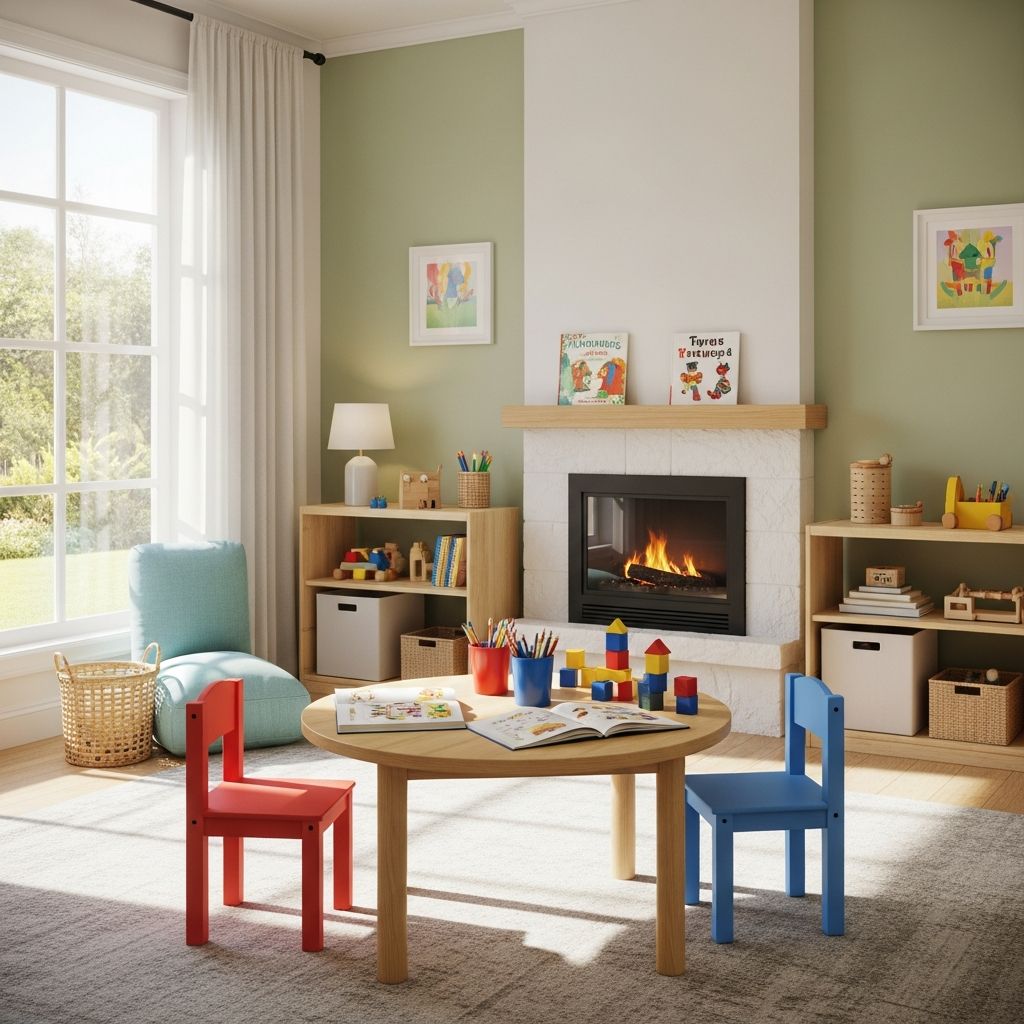
Converting a playroom into a preschool classroom offers young children a dedicated space for structured learning and imaginative exploration right at home. This transformation supports early education by blending play with skill-building activities, creating an environment that stimulates cognitive, social, and motor development.
Planning Your Preschool Space
Begin by assessing the room’s size, lighting, and traffic flow. A successful preschool setup requires distinct zones for different activities to help children focus and transition smoothly between tasks. Natural light from windows enhances mood and visibility, while soft flooring like rugs provides comfort during extended play sessions.
Consider the age group: for toddlers aged 2-3, prioritize low shelves and soft materials; for 4-5-year-olds, include writable surfaces and group seating. Involve children in the planning to build ownership and excitement.
Essential Furniture Choices
Select durable, child-sized furniture that multitasks. Key pieces include:
- Activity Table: A sturdy, low table serves as a hub for crafts, puzzles, and meals. Opt for wipeable surfaces to handle messes easily.
- Seating Options: Mix floor cushions, small chairs, and a reading nook bench to accommodate various group sizes and activities.
- Storage Units: Open shelving units with bins keep supplies accessible, teaching organization skills.
Position the main table near a wall for wall-mounted supplies, freeing floor space for movement. A repurposed train table covered with a dry-erase board adds versatility for group lessons.
Organizing for Accessibility and Order
Effective organization prevents chaos and encourages independence. Label bins with pictures for non-readers, grouping items by category: blocks in one, art supplies in another. Rotate toys weekly to maintain interest and reduce overwhelm.
Use vertical space with wall hooks for dress-up clothes and pegboards for tools. A central calendar and schedule chart helps children anticipate daily routines, fostering time management awareness.
| Zone | Purpose | Storage Ideas |
|---|---|---|
| Art Corner | Creative expression | Hanging caddies, washable mats |
| Block Area | Fine motor skills | Clear plastic bins, low shelves |
| Quiet Nook | Reading and rest | Book ledges, bean bags |
| Sensory Station | Sensory exploration | Sealable trays, lockable cabinets |
Creating Thematic Learning Zones
Divide the room into zones mimicking a professional preschool. Each area targets specific developmental goals:
- Dramatic Play Zone: Stock with play kitchen sets, doctor kits, and puppets to encourage role-playing and social skills.
- Manipulatives Area: Offer puzzles, lacing beads, and stacking toys to build problem-solving and dexterity.
- Science Discovery Spot: Include magnifying glasses, plant kits, and water tables for hands-on experimentation.
These zones promote self-directed learning, allowing children to choose activities while you guide transitions.
Incorporating Educational Tools and Toys
Choose open-ended toys that spark curiosity over battery-operated ones. Wooden blocks, shape sorters, and nesting cups support math concepts like counting and geometry. Integrate literacy with alphabet puzzles and rhyming books.
For STEM, add magnetic tiles and simple circuits. Sensory bins with rice, water beads, or kinetic sand engage multiple senses, aiding language and emotional regulation.
Safety and Comfort Essentials
Prioritize child safety with rounded furniture edges, non-toxic materials, and secure shelving. Outlet covers, cord organizers, and gate barriers prevent accidents. Comfort comes from washable rugs, good ventilation, and temperature control.
Incorporate calming elements like dimmable lights and noise-reducing panels to create a soothing atmosphere amid active play.
Daily Routines and Schedules
Establish a visual schedule with pictures: circle time, snack, outdoor play, and quiet reading. Consistent routines build security and predictability. Use timers for transitions to teach time concepts gently.
Sample daily flow:
- Morning circle: songs, weather check.
- Directed activity: letter of the day.
- Free play in zones.
- Snack and story time.
- Gross motor: dancing or yoga.
Enhancing with Wall Decor and Displays
Transform blank walls into learning aids. Hang children’s artwork on clotheslines with clips for a rotating gallery. Create a chalkboard or magnetic paint wall for daily drawings and notes.
Educational posters on colors, numbers, and emotions double as decor. A world map collage sparks geography interest without overwhelming the space.
Budget-Friendly DIY Projects
Maximize savings with homemade solutions. Drill holes in wood blocks for crayon holders. Repurpose cardboard boxes into sensory bins lined with fabric.
Paint wooden crates for storage or build a reading loft from pallets. These projects teach resourcefulness and personalize the space.
Maximizing Multi-Age Use
For siblings of varying ages, layer activities: infants explore soft textures on the floor, while preschoolers tackle advanced puzzles nearby. Shared zones like the art table allow parallel play, promoting sibling bonds.
Adjust toy access with height-variable shelves to suit different reaches.
Frequently Asked Questions
What is the ideal size for a home preschool room?
A 10×10 foot space works well for 2-4 children, providing room for zones without feeling cramped. Larger areas allow more flexibility.
How often should I rotate toys?
Every 1-2 weeks to refresh interest and manage clutter. Observe which items get the most use to inform selections.
Can this setup work for homeschooling older kids?
Yes, add a desk for older children and expand resources like workbooks, while keeping play elements for balance.
What if my playroom is in a small apartment?
Use multi-functional furniture like ottomans with storage and wall-mounted shelves to optimize vertical space.
How do I maintain cleanliness?
End sessions with a cleanup song, assign simple tasks by zone, and use machine-washable items for easy maintenance.
Long-Term Benefits of a Home Preschool
This setup not only prepares children for formal schooling but cultivates lifelong learning habits. Parents report improved focus, creativity, and family bonding. As children grow, adapt the space into a study area, extending its utility.
Track progress with portfolios of artwork and photos, celebrating milestones to motivate continued engagement.
References
- Head Start Early Learning Program Standards — U.S. Department of Health and Human Services. 2015. https://eclkc.ohs.acf.hhs.gov/standards/45-cfr-chap-xc/1302-42
- Developmentally Appropriate Practice in Early Childhood Programs — National Association for the Education of Young Children (NAEYC). 2020-04-15. https://www.naeyc.org/resources/position-statements/dap/
- Early Childhood Environment Rating Scale — Teachers College, Columbia University. 2017. https://ers.scale.soe.ku.edu/
- Play-Based Learning Guidelines — American Academy of Pediatrics. 2024-02-01. https://publications.aap.org/pediatrics/article/153/2/e2023062647/196119
- Home Learning Environment Best Practices — ZERO TO THREE. 2023-08-10. https://www.zerotothree.org/resource/home-learning-environment/