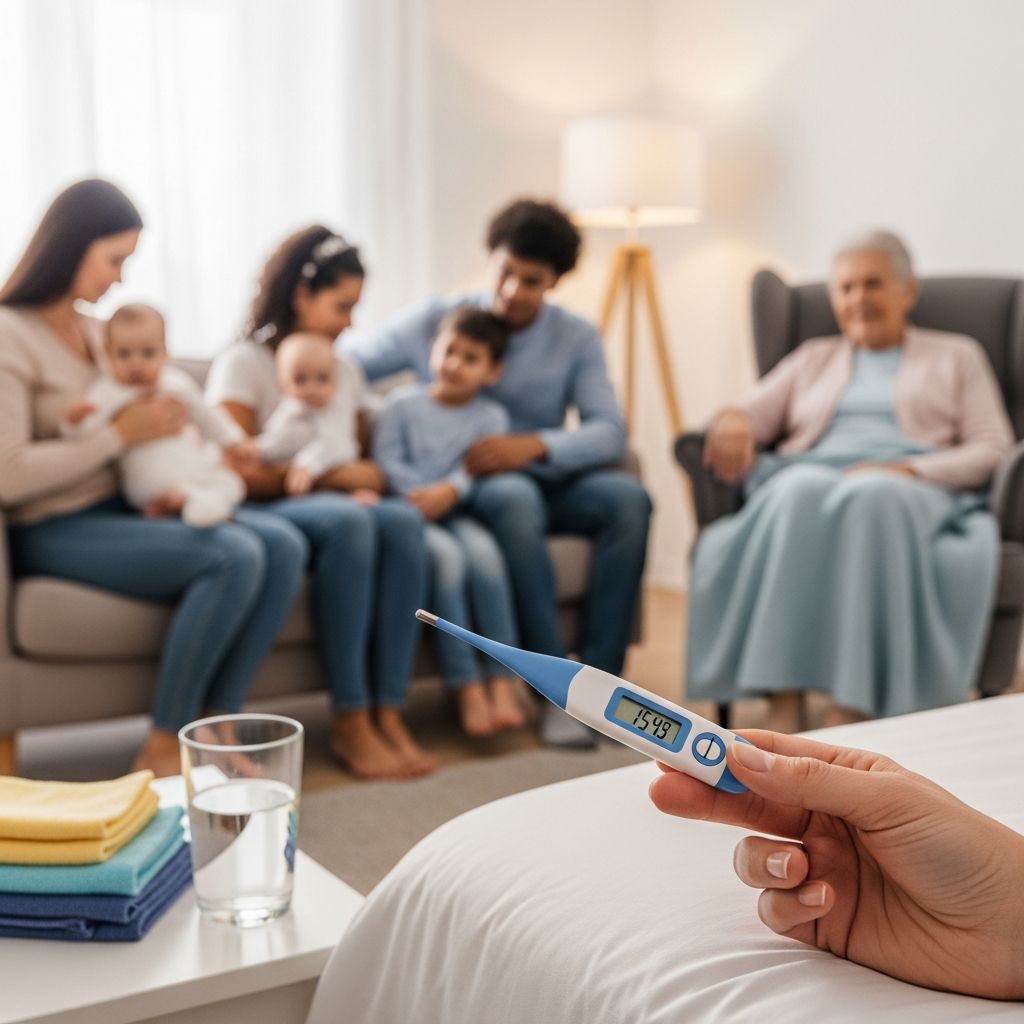
Fevers serve as the body’s natural defense mechanism against infections, signaling that the immune system is actively combating viruses, bacteria, or other invaders. While often not dangerous, proper management is crucial to ensure comfort and prevent complications, especially in vulnerable groups like infants and young children. This guide outlines evidence-based approaches to handling fevers at home, appropriate use of medications, and essential red flags that demand immediate attention.
Understanding What Constitutes a Fever
A fever is typically defined as a body temperature elevated above the normal range of 98.6°F (37°C). Oral temperatures over 100.4°F (38°C) in adults or rectal readings above this threshold in infants signal a fever. The method of measurement matters: rectal for accuracy in babies under 3 months, oral or tympanic for older children and adults.
Fevers arise from the hypothalamus raising the body’s thermostat in response to pyrogens released by pathogens. Mild elevations up to 102°F (38.9°C) are common in viral illnesses and usually resolve without intervention. However, persistent or very high fevers warrant monitoring.
Safe Home Care Practices for Comfort
The primary goals in fever management are maintaining hydration, promoting rest, and alleviating discomfort rather than aggressively lowering temperature unless necessary. Overly vigorous cooling can trigger shivering, which generates more heat.
- Encourage Fluid Intake: Dehydration exacerbates discomfort. Offer water, clear broths, or electrolyte solutions frequently. Avoid caffeinated or alcoholic beverages, as they promote fluid loss.
- Dress Lightly: Use lightweight, breathable clothing and a single layer of bedding. Overdressing traps heat.
- Maintain a Cool Environment: Keep room temperature comfortable, around 68-72°F (20-22°C), with good ventilation. Fans can aid evaporation if used gently.
- Lukewarm Sponging if Needed: For higher fevers causing distress, sponge with tepid water on exposed skin. Avoid ice-cold water, which constricts blood vessels.
Rest is paramount; physical activity can prolong the fever. These non-medication steps often suffice for low-grade fevers.
Medication Options: When and How to Use Them
Antipyretics like acetaminophen and ibuprofen reduce fever-related discomfort but do not shorten illness duration. Use them judiciously based on age and symptoms.
| Medication | Children (1 month+) | Adults |
|---|---|---|
| Acetaminophen (Paracetamol) | 15 mg/kg every 4-6 hours (max 60 mg/kg/day) | 1 g every 4-6 hours (max 4 g/day) |
| Ibuprofen | 5-10 mg/kg every 6-8 hours (max 30-40 mg/kg/day; over 6 months) | 200-400 mg every 6-8 hours (max 1200 mg/day) |
Note: Always follow label instructions and consult a doctor for precise dosing. Never give aspirin to children due to Reye’s syndrome risk.
Avoid alternating medications unless advised by a healthcare provider, as this increases overdose risk. Do not wake a sleeping child solely for medication.
Age-Specific Fever Guidelines
Fever thresholds and responses vary by age due to developing immune systems and higher risks of dehydration or seizures in the young.
Infants Under 3 Months
Any rectal temperature of 100.4°F (38°C) or higher requires immediate medical evaluation, even without other symptoms. Newborns cannot regulate temperature well and fevers often indicate serious bacterial infections.
3-6 Months
Fevers up to 102°F (38.9°C) may be observed with fluids and rest. Above this or if the infant is irritable/lethargic, contact a doctor. Limit acetaminophen to age-appropriate doses.
6-24 Months
Manage fevers over 102°F with acetaminophen or ibuprofen (if 6+ months). Seek care if no improvement in 24 hours, or with symptoms like rash or poor feeding.
Children 2-17 Years
Low fevers need no meds; use for discomfort above 102°F. Consult if lasting over 3 days or exceeding 104°F (40°C).
Adults 18+
Fevers under 102°F rarely need treatment. Above this, use OTC meds if uncomfortable. See a doctor for fevers over 103°F (39.4°C) persisting beyond 3 days or with severe symptoms.
Critical Warning Signs Requiring Urgent Care
Not all fevers need medical intervention, but certain signs indicate potential complications:
- Fever in infants under 3 months.
- Temperature over 104°F (40°C) in anyone.
- Duration exceeding 3 days in children/adults or 24 hours in young infants.
- Stiff neck, severe headache, rash, breathing difficulty, persistent vomiting, or dehydration (dry diapers >8 hours, no tears).
- Lethargy, irritability, or seizures (febrile convulsions in 2-5% of children 6 months-5 years; usually benign but seek evaluation).
Immunocompromised individuals or those with chronic conditions should err on the side of caution.
Common Myths and Misconceptions Debunked
Several outdated practices can harm more than help:
- Cold Baths: Cause shivering and raise core temperature.
- Heavy Blankets or Wet Towels: Trap heat or risk hypothermia.
- Rubbing Alcohol: Absorbed through skin, leading to toxicity.
- Starve a Fever: Nutrition supports immunity; offer light foods.
Fevers under 102°F often do not require medication; focus on comfort.
Preventing Fevers and Promoting Recovery
While not always preventable, hygiene reduces infection risk: frequent handwashing, vaccinations, and avoiding sick contacts. During recovery, prioritize sleep, balanced nutrition, and gradual return to activity.
For recurrent fevers, track patterns and underlying causes like urinary tract infections or autoimmune issues with a healthcare provider.
Frequently Asked Questions (FAQs)
What should I do for a fever in a newborn?
Seek immediate medical care for any fever of 100.4°F (38°C) or higher measured rectally.
Can I give ibuprofen to a 4-month-old?
Yes, if 6 months or older and dosed correctly; consult a pediatrician first.
Is a fever of 103°F dangerous for adults?
It can be uncomfortable but not typically harmful short-term; monitor and seek care if persistent.
How do I know if my child is dehydrated?
Look for fewer wet diapers, dry mouth, sunken eyes, or lethargy.
Should I treat every fever with medicine?
No, only if causing distress; mild fevers aid immune response.
References
- Fever | Better Health Channel — Better Health Channel, State Government of Victoria. 2023. https://www.betterhealth.vic.gov.au/health/conditionsandtreatments/fever
- Fever treatment: Quick guide to treating a fever – Mayo Clinic — Mayo Clinic. 2023-10-15. https://www.mayoclinic.org/diseases-conditions/fever/in-depth/fever/art-20050997
- Fever – MSF Medical Guidelines — Médecins Sans Frontières. 2024. https://medicalguidelines.msf.org/en/viewport/CG/english/fever-16689066.html
- Fever: First aid – Mayo Clinic — Mayo Clinic. 2023. https://www.mayoclinic.org/first-aid/first-aid-fever/basics/art-20056685
- Fever Symptoms & Causes – Cleveland Clinic — Cleveland Clinic. 2023-08-05. https://my.clevelandclinic.org/health/symptoms/10880-fever