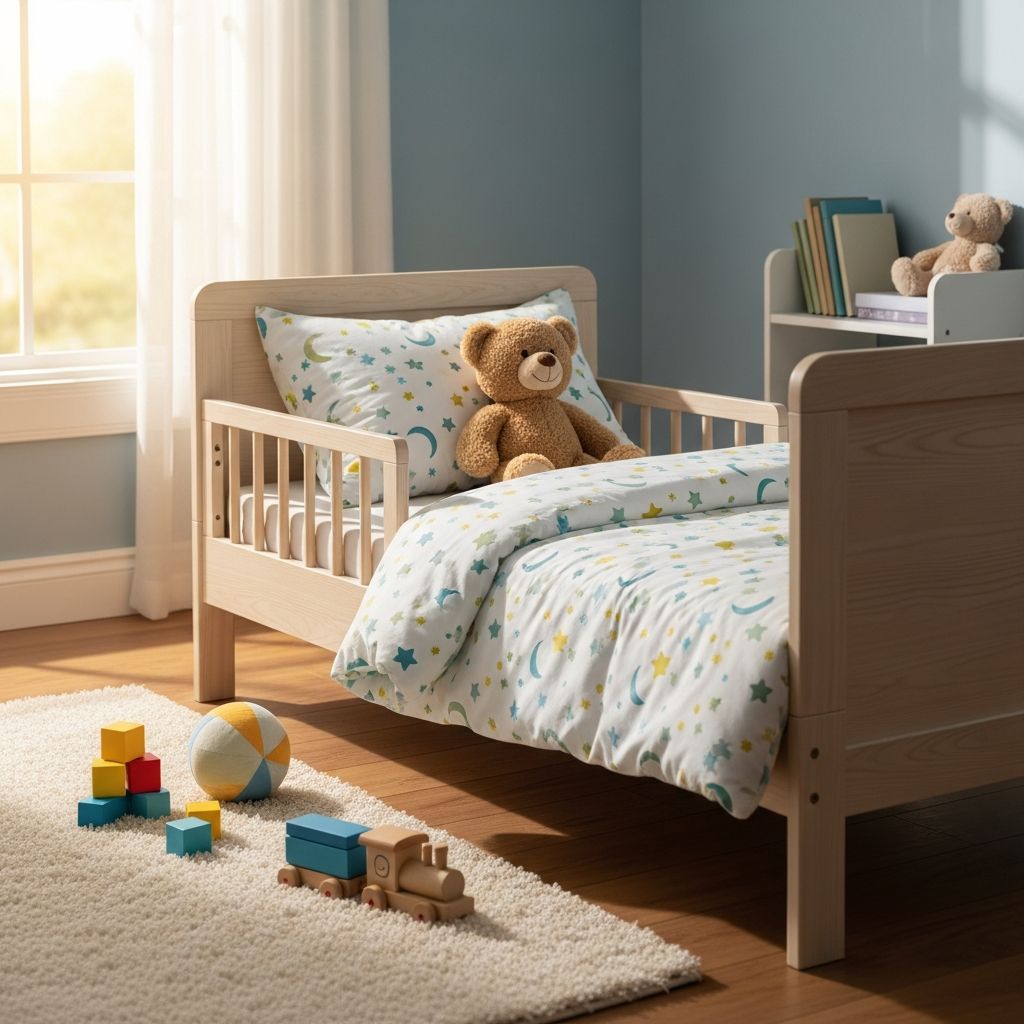
The shift from a crib to a big kid bed marks a pivotal milestone in your child’s development, blending excitement with potential challenges for sleep routines. Parents often worry about disruptions, but with strategic preparation, this change can become a celebrated adventure that strengthens family bonds and promotes independence.
Determining the Perfect Timing for the Switch
Timing is crucial for a successful transition. Experts recommend waiting until your child shows clear readiness signs, such as repeatedly climbing out of the crib, expressing interest in a ‘big bed,’ or simply outgrowing the crib physically—typically between ages 2 and 3.5 years. Rushing due to external pressures like a new sibling can backfire, leading to regression.
A child-led approach works best: observe if they consistently request a big bed or mimic older siblings. The American Academy of Pediatrics suggests monitoring for safety risks first, like crib escapes that could cause injury, before making the move. Avoid transitions during major life changes, such as potty training or family moves, to minimize stress.
- Key readiness indicators: Frequent crib climbing, verbal enthusiasm for big beds, physical size exceeding crib limits.
- Ideal age window: 2-3 years, but prioritize behavioral cues over calendar age.
- Red flags to delay: Ongoing sleep issues, recent household upheavals, or lack of interest.
Building Anticipation Through Stories and Conversation
Start priming your toddler weeks in advance by weaving the idea of a big kid bed into daily talks. Casually mention how fun it will be, comparing it to beds used by trusted family members or characters they admire. This normalizes the concept and sparks curiosity without pressure.
Incorporate age-appropriate books featuring toddlers embracing their new beds. Titles like those depicting joyful transitions help children visualize success, reducing anxiety. Read them during quiet times, discussing emotions: ‘How do you think the little bear feels in his big bed?’ This fosters emotional processing and excitement.
| Recommended Books | Why It Helps | Key Theme |
|---|---|---|
| Time to Sleep, Little Whale | Shows gentle adaptation | Comfort in change |
| Big Bear Little Chair | Fun size contrasts | Growing up joy |
| Goodnight Moon adaptations | Familiar routines | Bedtime security |
Empowering Your Child with Choices and Ownership
Involve your toddler actively to cultivate pride and enthusiasm. Let them select bedding colors, patterns, or a special pillow—simple decisions that grant control and personalize the space. Shopping together, even online, turns preparation into play.
During assembly, narrate each step: ‘Now we’re adding your favorite blue sheets!’ Designate a ‘bed buddy’ stuffed animal as their sleep companion, chosen by them. This ownership transforms the bed from unfamiliar to cherished territory.
- Bedding picks: Sheets, comforters, pillows in vibrant, washable fabrics.
- Fun add-ons: Themed pillows, glow-in-dark stars for magic.
- Pro tip: Limit choices to 2-3 options to avoid overwhelm.
Optimizing the Bedroom for Safe, Cozy Sleep
A sleep-friendly environment prevents wandering and promotes rest. Remove hazards: secure furniture to walls, block cords, and install a baby gate at the door if stairs are nearby. Use blackout curtains, white noise machines, and a cool temperature (68-72°F) to mimic crib conditions.
Opt for a twin mattress over a toddler bed for longevity—many children adapt better to standard sizes. Rail guards provide edge security without full enclosure. Position the bed away from windows and outlets for utmost safety.
Maintaining Routines Amid the Excitement
Consistency is your anchor: replicate the crib bedtime ritual exactly—bath, story, cuddles, lights out. Introduce a simple mantra like ‘Stay in bed until morning light’ to reinforce boundaries cognitively. Speak confidently: ‘You’re safe and loved; we’ll see you at breakfast!’ Avoid over-explaining, as toddlers thrive on brevity.
During the first nights, expect testing—door opens, floor naps. Respond calmly without engagement: In mornings, cheerfully note, ‘Your bed looks so comfy; try it fully tonight!’ Kids self-correct quickly when unphased.
Navigating Common Challenges and Setbacks
Regression happens: night wakings or escapes peak initially but fade with patience. If issues persist beyond two weeks, reassess—perhaps revert temporarily. Gate the door humanely to contain while allowing calls for needs.
Use positive reinforcement: Stickers for staying put, not bribes. Track progress in a chart for visual motivation. Parental calm is infectious; model nonchalance to ease fears.
| Challenge | Solution | Expected Duration |
|---|---|---|
| Bed abandonment | Ignore calmly, praise mornings | 3-7 nights |
| Night wakings | Consistent routine, white noise | 1-2 weeks |
| Fear of newness | Daytime play in bed, books | Ongoing, fades |
Long-Term Success Strategies for Restful Nights
Beyond the switch, nurture habits: Limit screens pre-bed, ensure daytime activity for fatigue. Celebrate milestones like ‘first full week!’ to sustain positivity. Monitor developmental leaps, adjusting as needed.
For siblings, stagger transitions to avoid comparison. If co-sleeping tempts, redirect gently to empower independence. Most families report stabilized sleep within a month.
Frequently Asked Questions (FAQs)
What if my toddler refuses the big bed after trying it?
Reassure without pressure; keep the crib nearby as backup. Resume priming activities and retry in a week—patience prevents power struggles.
Is a toddler bed necessary, or can we skip to twin?
Skip it; twins offer better value and familiarity. Use rails for security.
How do I handle stair safety during transition?
Install a sturdy gate immediately; teach ‘stay in bed’ rule firmly.
Will sleep totally regress?
Temporarily yes, but routines restore it faster than expected. Stay consistent.
Best age for girls vs. boys?
No gender difference; readiness drives it universally.
Turning the Milestone into Family Joy
This transition symbolizes growth, inviting shared delight. Capture photos, host a ‘bed party’ with treats post-first night. Your enthusiasm guides theirs, paving way for confident sleepers.
References
- 12 Ways to Get Your Toddler Excited About Their Big Kid Bed — Motherly. 2023. https://www.mother.ly/shop/how-to-get-toddler-excited-big-kid-bed/
- Ultimate Guide to the Toddler Bed Transition — Taking Cara Babies. 2024. https://www.takingcarababies.com/blogs/toddlers/ultimate-guide-to-the-toddler-bed-transition
- Successfully Transitioning from a Crib to a Bed — Bella Luna Family. 2023. https://bellalunafamily.com/transitioning-from-a-crib-to-bed/
- How to Make the Crib-to-Bed Transition Smooth — Hatch. 2025-11-04. https://www.hatch.co/blog/crib-to-bed-transition
- What to Expect When Moving Your Toddler to a Big Kid Bed — Moms on Call. 2024. https://momsoncall.com/blogs/blog/what-to-expect-when-moving-your-toddler-to-a-big-boy-girl-bed
- Making the Transition to a Big Kid Bed — Thirsties Baby. 2023. https://thirstiesbaby.com/blogs/simply-better-cloth-diapers/making-the-transition-to-a-big-kid-bed
- Is Your Child Ready for a Big Kid Bed? — Lovevery Blog. 2024. https://blog.lovevery.com/feeding-sleeping-care/is-your-child-ready-for-a-big-kid-bed/