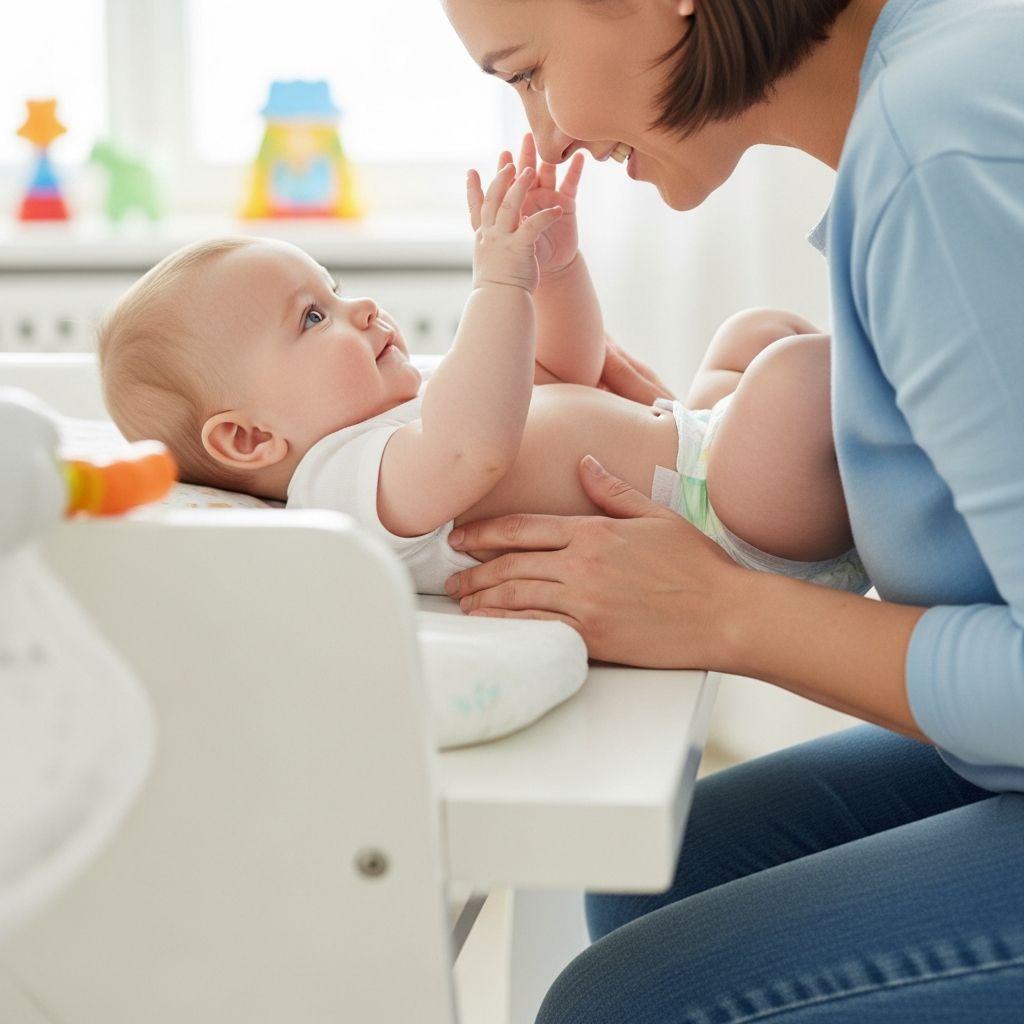
Understanding the Shift from Co-Sleeping to a Crib
For many families, co-sleeping begins as a natural extension of newborn care. Close proximity makes nighttime feeding, soothing, and bonding easier, especially in the early months. But as babies grow, many parents begin to wonder: when is the right time to move from co-sleeping to a crib? And how can this transition be done in a way that supports both the child’s development and the family’s well-being?
This shift isn’t just about changing where a baby sleeps—it’s about supporting a growing child’s need for independence, safety, and consistent sleep patterns. Done thoughtfully, the move from co-sleeping to a crib can be a positive milestone for the whole family.
Why Families Consider Moving to a Crib
Parents choose to transition their baby to a crib for a variety of reasons, often shaped by their child’s age, health, and family circumstances. Some of the most common motivations include:
- Safety concerns: Adult beds are not designed for infants and can pose risks like entrapment, suffocation, or accidental rolling over.
- Improved sleep for everyone: As babies become more active sleepers, sharing a bed can disrupt both the child’s and parents’ rest.
- Encouraging independent sleep: A crib helps babies learn to fall asleep on their own, which supports long-term sleep habits.
- Room changes or new siblings: Moving to a crib often coincides with a move to a nursery or preparing for a new baby.
- Partner or household needs: One or both parents may need more space, or other household members may be affected by shared sleeping arrangements.
Recognizing these reasons can help parents approach the transition with clarity and purpose, rather than guilt or pressure.
When Is the Right Time to Make the Change?
There is no single “perfect” age to move a baby from co-sleeping to a crib. However, several developmental and safety milestones can help guide timing:
- 3–6 months: Many experts suggest this window as a good time to begin the transition, especially if co-sleeping was primarily for feeding and comfort in the newborn phase.
- 6–9 months: Babies become more mobile and may start rolling, scooting, or attempting to climb, which increases risks in an adult bed.
- After 6 months: The risk of SIDS decreases significantly, but safe sleep practices remain important. A crib provides a safer, more controlled environment.
- Before 12 months: Most pediatricians recommend that babies sleep in their own sleep space (crib or bassinet) in the same room as parents by this age.
Signs that a baby may be ready for the change include:
- Waking frequently when placed in a crib for naps
- Rolling or moving around in the bed, increasing safety concerns
- Parents feeling consistently sleep-deprived or uncomfortable
- Planning a move to a separate room or preparing for a new sibling
Ultimately, the right time is when the family feels ready and the baby is developmentally prepared for a more independent sleep space.
Preparing the Sleep Environment for Success
A safe, inviting crib environment is essential for a smooth transition. The American Academy of Pediatrics (AAP) emphasizes that a baby’s sleep space should be:
- Firm and flat (no soft mattresses or cushions)
- Free of loose bedding, pillows, stuffed animals, and bumpers
- Placed in a smoke-free, climate-controlled room
- Positioned away from cords, blinds, and furniture that could tip
Before the transition, spend time helping your baby get familiar with the crib:
- Let them play in the crib during the day with supervision
- Use the same swaddle, sleep sack, or lovey (if age-appropriate) they’re used to
- Keep the room dim, quiet, and at a comfortable temperature
- Consider using a white noise machine to create a consistent sleep cue
Consistency in the sleep environment helps babies feel secure, even when the location changes.
Building a Predictable Bedtime Routine
One of the most powerful tools in any sleep transition is a consistent, calming bedtime routine. A predictable sequence of activities signals to a baby that it’s time to wind down and sleep.
A simple, effective routine might include:
- Bath (if part of the routine)
- Changing into pajamas
- Feeding or nursing
- Quiet time with a book or lullaby
- Dimming lights and reducing stimulation
- Placing baby in the crib drowsy but awake
Key principles for success:
- Keep the routine short (20–30 minutes) and consistent each night
- Start the routine at the same time each evening
- Minimize screen time and loud play in the hour before bed
- Respond to fussiness calmly and consistently, without overstimulating
Over time, this routine becomes a powerful cue that helps babies relax and fall asleep more easily in their crib.
Choosing a Transition Strategy That Fits Your Family
There is no one-size-fits-all approach to moving from co-sleeping to a crib. Different families will find different strategies more comfortable and effective. Here are a few common methods to consider:
Gradual Room-Sharing Approach
Keep the baby in the same room as parents but in a crib or bassinet. This maintains closeness while creating a separate sleep space. Many families start with the crib in the parents’ room before moving to a nursery.
Sidecar or Bedside Sleeper
A bedside sleeper attaches to the adult bed, allowing easy access while keeping the baby in a separate, safe sleep surface. This can be a helpful middle step before moving to a standalone crib.
Phased Transition (Naps First)
Begin by putting the baby down for naps in the crib while continuing to co-sleep at night. Once the baby is comfortable with naps in the crib, gradually shift nighttime sleep as well.
Consistent Crib Sleep from the Start
Some families choose to move directly to the crib at night, using a consistent routine and responsive soothing. This can be more challenging initially but may lead to quicker adjustment for some babies.
The best strategy is the one that aligns with your family’s values, your baby’s temperament, and your ability to be consistent.
Managing Night Wakings and Setbacks
It’s normal for babies to wake during the night, especially during a transition. The key is to respond in a way that supports both comfort and the goal of independent sleep.
Strategies for handling night wakings:
- Wait a few moments before responding to see if the baby settles independently
- Use a calm, quiet voice and minimal interaction when soothing
- Keep lights low and avoid picking up unless necessary
- Offer comfort (patting, shushing, or a brief cuddle) and then return the baby to the crib
- Be consistent with the routine, even if progress feels slow
Setbacks are normal and can be triggered by:
- Illness or teething
- Developmental leaps (rolling, crawling, walking)
- Changes in routine or environment
- Travel or time zone changes
During setbacks, it’s okay to temporarily adjust the approach (for example, returning to co-sleeping for a few nights) while planning to reattempt the transition when things stabilize.
Supporting Emotional Security During the Change
For many babies, co-sleeping is deeply tied to feelings of safety and connection. Moving to a crib can feel like a big change, even if the baby doesn’t fully understand it.
Ways to support emotional security:
- Offer extra cuddles and one-on-one time during the day
- Use a familiar blanket, lovey, or sleep sack (when safe and age-appropriate)
- Reassure the baby with a calm, consistent presence at bedtime
- Acknowledge your own feelings—guilt, worry, or sadness are normal and valid
- Involve your partner or support person in the routine to share the emotional load
Remember, moving to a crib doesn’t mean less love or connection—it means adapting that connection to support a growing child’s needs.
When to Seek Professional Guidance
Most families can successfully transition from co-sleeping to a crib with patience and consistency. However, there are times when professional support can be helpful:
- Chronic, severe sleep deprivation affecting a parent’s mental health
- Concerns about the baby’s breathing, movement, or safety in any sleep environment
- Persistent difficulty with falling or staying asleep, even after several weeks of consistent effort
- Underlying medical conditions (reflux, apnea, prematurity) that affect sleep
- Strong disagreement between caregivers about sleep arrangements
Consulting a pediatrician, pediatric sleep specialist, or a qualified infant sleep consultant can provide personalized guidance and reassurance.
Common Questions About the Co-Sleeping to Crib Transition
Is it safe to co-sleep with a baby?
The American Academy of Pediatrics recommends room-sharing without bed-sharing for the first 6–12 months to reduce the risk of SIDS and other sleep-related dangers. Bed-sharing can increase risks, especially with soft bedding, pillows, or if a parent is impaired by fatigue, alcohol, or medications. Safer alternatives include using a bassinet or bedside sleeper in the same room.
How long does it take for a baby to adjust to a crib?
Adjustment time varies widely. Some babies adapt in a few days, while others may take several weeks. Consistency, a predictable routine, and responsive soothing are more important than speed.
Should I let my baby cry it out when moving to a crib?
There is no single right answer. Some families use gentle, responsive methods (checking at intervals), while others prefer more hands-on soothing. Choose an approach that aligns with your parenting style and your baby’s temperament, and be prepared to adjust as needed.
Can I still nurse or feed at night after the transition?
Absolutely. Many families continue nighttime feeding while using a crib. The key is to keep the environment calm and consistent, and to return the baby to the crib after feeding whenever possible.
What if my baby refuses the crib altogether?
If a baby strongly resists, consider whether the timing is right. You might try a phased approach (naps first), use a bedside sleeper as a bridge, or consult a pediatrician to rule out discomfort or medical issues.
Final Thoughts: A Transition That Works for Your Family
Moving from co-sleeping to a crib is a significant change, but it’s also an opportunity to support your baby’s growing independence and long-term sleep health. There is no single “right” way to do it—what matters most is that the approach feels sustainable, safe, and aligned with your family’s values.
Be patient with yourself and your baby. Progress may be slow, and setbacks are normal. With a safe sleep environment, a consistent routine, and plenty of love and reassurance, most families find that the transition becomes easier over time.
Ultimately, the goal isn’t perfection—it’s helping your child feel secure, well-rested, and ready to thrive, one peaceful night at a time.
References
- Safe Sleep Environment for Infants — American Academy of Pediatrics. 2022-06-21. https://publications.aap.org/pediatrics/article/150/1/e2022057960/187756/Safe-Sleep-Environment-for-Infants
- Room-Sharing and SIDS Risk Reduction — Centers for Disease Control and Prevention. 2023-03-15. https://www.cdc.gov/sids/index.htm
- Developmental Milestones: Birth to 12 Months — National Institute of Child Health and Human Development. 2023-01-10. https://www.nichd.nih.gov/health/topics/infanthealth/conditioninfo/milestones