Understanding when your body is most receptive to pregnancy is a cornerstone of natural conception. By recognizing key indicators of ovulation, couples can time intercourse effectively to improve their chances of success. This guide explores reliable ways to detect your fertile period, drawing from established health practices that empower proactive family planning.
Understanding Your Menstrual Cycle and Fertile Phase
The menstrual cycle typically spans 28 days, though variations between 21 and 35 days are common. Ovulation, the release of an egg from the ovary, marks the fertile window—usually days 10 to 16 in a standard cycle. Sperm can survive up to five days in the female reproductive tract, while the egg remains viable for about 24 hours, creating a six-day opportunity for conception each month.
Tracking this window involves observing hormonal shifts that trigger physical changes. Estrogen rises before ovulation, peaking with luteinizing hormone (LH), which prompts egg release. Post-ovulation, progesterone sustains the uterine lining, altering body signals detectably.
Natural Indicators of Ovulation
Your body provides subtle yet powerful clues about fertility. Mastering these signs allows for precise timing without gadgets.
Basal Body Temperature Shifts
Basal body temperature (BBT) is your resting temperature upon waking. Pre-ovulation, it hovers around 97-97.5°F (36.1-36.4°C). After ovulation, it rises 0.5-1°F (0.3-0.5°C) due to progesterone and stays elevated until your next period.
To chart BBT:
- Use a digital basal thermometer for accuracy, measuring before rising, eating, or speaking.
- Record daily on a graph or app; consistency over 3-6 months reveals patterns.
- The sustained rise confirms ovulation has passed, so plan intercourse beforehand.
Limitations include disruptions from illness, alcohol, or poor sleep, making it retrospective rather than predictive.
Cervical Mucus Transformations
Cervical mucus evolves predictably: dry or sticky post-period, creamy mid-cycle, then clear, stretchy, and egg-white-like near ovulation—facilitating sperm travel.
| Phase | Mucus Characteristics | Fertility Level |
|---|---|---|
| Post-Menstruation | Dry, scant, or sticky | Low |
| Approaching Ovulation | Cloudy, creamy | Rising |
| Peak Fertility | Clear, slippery, stretchy (egg-white) | High |
| Post-Ovulation | Thick, gluey, or absent | Low |
Check mucus daily by wiping before urinating or examining internally. This method excels when combined with others. Note: Breastfeeding, infections, or medications may alter patterns.
Calendar-Based Cycle Prediction
The calendar method estimates ovulation by analyzing past cycles. Track at least 6-12 months: subtract 14 days from your average cycle length for ovulation day (luteal phase is fairly fixed).
For irregular cycles:
- Shortest cycle minus 18 days = first fertile day.
- Longest cycle minus 11 days = last fertile day.
Apps automate this, but manual logging builds intuition. Pair with other signs for reliability.
Technological Aids for Precision Tracking
Ovulation Predictor Kits
OPKs detect LH surge 24-36 hours pre-ovulation via urine tests, mimicking pregnancy strips. Test daily from cycle day 10; a strong line signals peak fertility.
Digital versions display smiles or numbers for ease. Cost-effective and predictive, they’re ideal for irregular cycles.
Fertility Monitors and Wearables
Advanced monitors analyze urine for LH, estrogen, and progesterone metabolites, scoring fertility. Wearables track BBT continuously via skin sensors. These integrate data for personalized forecasts.
Combining Methods for Optimal Results
The sympto-thermal method merges BBT, mucus, and calendar tracking, boasting 98-99% accuracy with proper use. Fertility awareness methods (FAMs) holistically map cycles, useful for conception or avoidance.
Start with education—apps, books, or classes ensure technique mastery. Consistency is key; log daily.
Lifestyle Factors Enhancing Fertility Detection
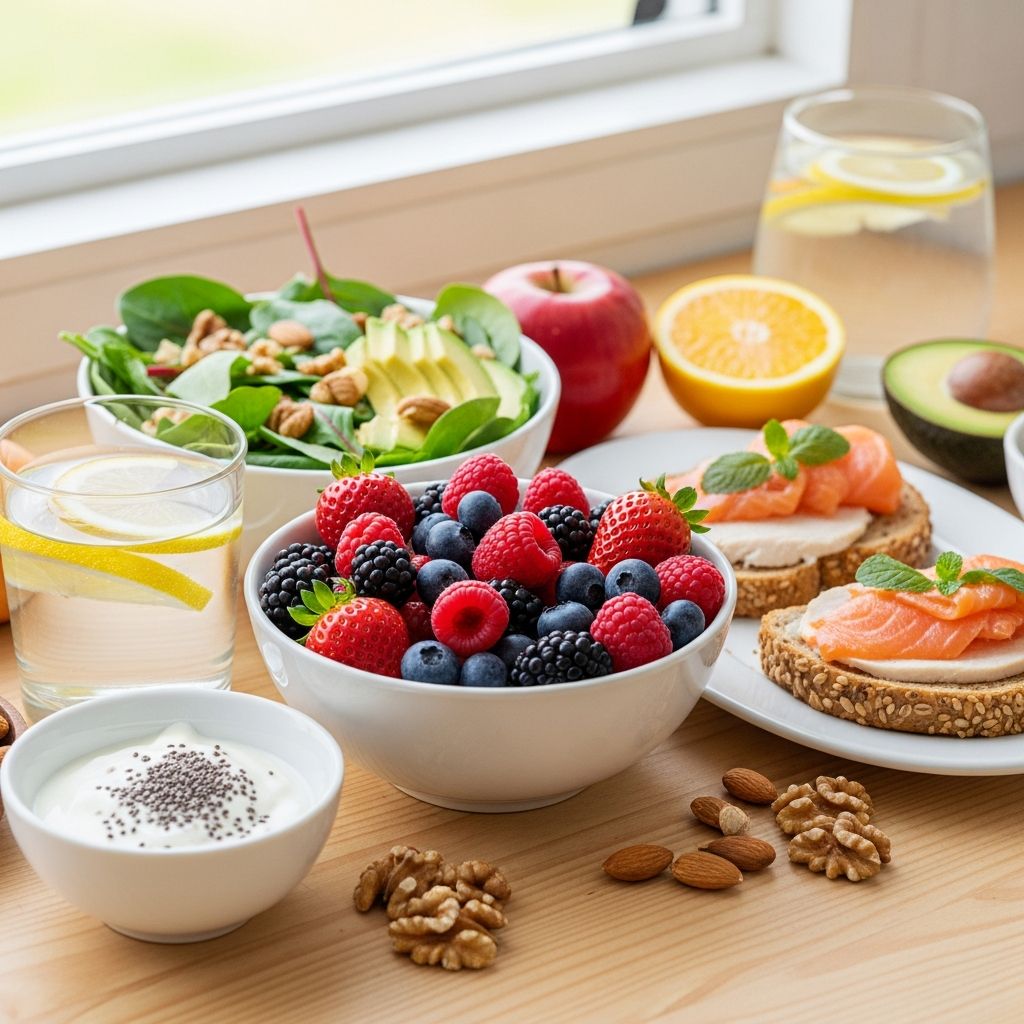
Diet and habits sharpen cycle signals. Key nutrients include:
- Folic acid (400-800 mcg daily): Supports early pregnancy health.
- Zinc (15 mg): Boosts hormone balance for both partners.
- Omega-3s: From fish/nuts, aids ovulation.
- Complex carbs/fiber: Stabilizes blood sugar, refining mucus/BBT reads.
Avoid smoking, excess caffeine/alcohol, and maintain 30-minute daily exercise. Achieve BMI 18.5-24.9 for regular cycles. Stress management via yoga or meditation prevents disruptions.
Common Challenges and Solutions
Irregular cycles from PCOS, thyroid issues, or perimenopause complicate tracking. Consult a doctor for underlying causes; medications like metformin may help.
Age impacts fertility: under 35, try 12 months; 35+, seek help after 6. Men should optimize sperm via similar lifestyle tweaks.
When to Seek Professional Guidance
If under 35 and trying 12 months without success (6 months over 35), see a fertility specialist. Tests check ovulation, sperm quality, and tubes.
Track symptoms like severe pain, absent periods, or unusual discharge—potential red flags.
Frequently Asked Questions
Can I track fertility while breastfeeding?
Yes, but mucus/BBT may be unreliable due to hormonal shifts. Use OPKs or consult a provider.
How often should we have sex during the fertile window?
Every 1-2 days maximizes chances without depleting sperm.
Do fertility apps replace professional advice?
No—apps aid tracking but confirm with tests/methods; see a doctor for irregularities.
What’s the success rate of natural tracking?
Up to 99% for avoidance, high for conception with combo methods and regular intercourse.
Can stress affect fertility signs?
Yes, it disrupts cycles; incorporate relaxation to clarify signals.
Empowering Your Path to Parenthood
Armed with these tools, couples gain control over conception timing. Patience and persistence pay off—most conceive within a year. Celebrate body wisdom while prioritizing health.
References
- Exploring 5 Natural Methods for Ovulation Tracking: Simple Strategies — Fertility Institute of San Diego. 2023. https://fertilityinstitutesandiego.com/blog/exploring-5-natural-methods-for-ovulation-tracking-simple-strategies/
- Natural fertility 101 — UCLA Health. 2023-06-12. https://www.uclahealth.org/news/article/natural-fertility-101
- How to Get Pregnant Naturally — American Pregnancy Association. 2024. https://americanpregnancy.org/healthy-pregnancy/planning/how-to-get-pregnant-naturally/
- How to get pregnant — Mayo Clinic. 2024-11-15. https://www.mayoclinic.org/healthy-lifestyle/getting-pregnant/in-depth/how-to-get-pregnant/art-20047611
- Trying to conceive — Office on Women’s Health. 2023. https://womenshealth.gov/pregnancy/you-get-pregnant/trying-conceive
- Ovulation Calculator & Calendar — WebMD. 2024. https://www.webmd.com/baby/healthtool-ovulation-calculator