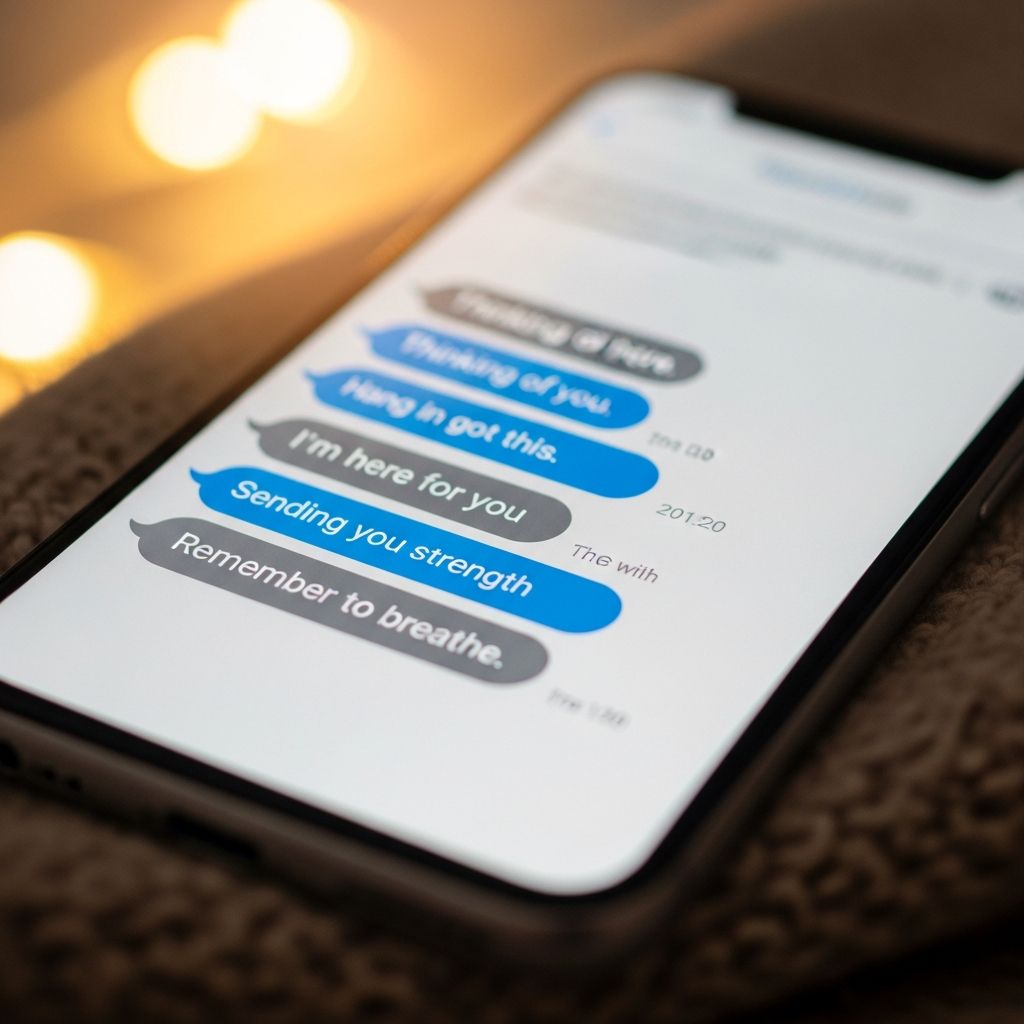
When life throws curveballs, a simple text can bridge the gap of distance and offer immediate solace. In our fast-paced digital world, knowing how to craft messages that convey genuine care is invaluable for maintaining strong bonds with friends, family, and partners. This article explores the art of sending supportive texts, drawing from psychological insights on empathy to help you become a pillar of strength for those in need.
Why Texts Matter in Moments of Distress
Text messages provide a low-pressure way to check in without demanding an immediate response. Research highlights that empathetic communication via text can reduce feelings of isolation and boost emotional resilience. Unlike calls, texts allow the recipient to process their emotions at their own pace while feeling seen and heard.
- They offer instant accessibility, reaching someone exactly when they need it.
- Written words create a lasting record of support, which can be revisited during low moments.
- Empathy expressed digitally fosters deeper connections by validating experiences without overwhelming the recipient.
Understanding the recipient’s emotional state is key. Whether they’re dealing with work stress, personal loss, or everyday frustrations, tailored messages amplify their impact.
Core Principles of Empathetic Texting
Effective supportive texts follow foundational principles rooted in active listening and validation. Start by acknowledging their feelings, then offer presence or assistance, and end on a note of unwavering support. Avoid dismissive phrases like “cheer up” which can invalidate emotions; instead, focus on phrases that mirror their experience.
| Principle | Example Phrase | Why It Works |
|---|---|---|
| Acknowledge Emotions | “I can see you’re upset.” | Validates their feelings without judgment. |
| Offer Presence | “I’m here for you.” | Assures them they’re not alone. |
| Seek Involvement | “What do you need?” | Empowers them to guide the support. |
These elements ensure your message resonates, turning a brief text into a meaningful gesture.
Messages to Validate Their Struggles
Validation is the cornerstone of empathy. Phrases that recognize hardship make the recipient feel understood. Use these when they’ve shared specifics about their tough day.
- “That sounds incredibly challenging.” Shows you grasp the difficulty.
- “It’s completely understandable you’d feel this way.” Normalizes their reaction.
- “I can imagine how frustrating that must be.” Paints a picture of shared understanding.
- “Your disappointment makes total sense.” Affirms the legitimacy of their emotions.
- “This is such a tough spot to be in.” Highlights the situation’s complexity.
Pair these with a personal touch, like referencing their specific issue: “Hearing about your boss’s feedback, I get why you’re so angry.” This specificity deepens connection.
Comforting Words for Heartache and Loss
When grief or deep sadness strikes, sensitivity is paramount. Opt for gentle, non-intrusive messages that honor their pain.
- “I’m so sorry you’re going through this.” A classic that conveys compassion.
- “I wish I could take this pain away.” Expresses heartfelt desire to help.
- “Your sadness isn’t easy to bear, and I’m here with you.” Acknowledges the weight.
- “It’s okay to feel this way; I’m holding space for you.” Encourages emotional release.
- “Thinking of you in this hard time.” A subtle reminder of your care.
For profound loss, follow up later: “Just checking in—how are you holding up?” Persistence without pressure reinforces reliability.
Encouraging Texts to Spark Hope
Once validation is established, gentle encouragement can lift spirits. Balance hope with realism to avoid seeming out of touch.
- “You’ve got this strength inside you.” Reminds them of their resilience.
- “I’m proud of how you’re handling this.” Celebrates their efforts.
- “Brighter days are ahead, and I’ll be here for them.” Instills optimism.
- “You’re not alone in this fight.” Reinforces solidarity.
- “I believe in you, no matter what.” Unconditional affirmation.
Timing matters—send these after initial empathy to prevent premature positivity.
Practical Offers of Help Via Text
Words gain power when paired with action. Propose concrete help to demonstrate commitment.
- “What can I do to support you right now?” Opens the door for specifics.
- “Want me to grab groceries or coffee?” Tangible assistance.
- “I’m happy to listen anytime you’re ready.” Invites ongoing dialogue.
- “Can I call later to chat?” Bridges to voice connection.
- “Let me know if you need a distraction—movie night?” Suggests healthy escapes.
Follow through promptly on any yes; reliability builds trust.
Quick Check-Ins for Ongoing Support
Bad days can linger, so space out thoughtful check-ins to sustain care without smothering.
- “How’s your day shaping up?” Casual opener.
- “Still thinking of you—hope things ease up.” Gentle persistence.
- “Need anything? Here if you do.” Low-key availability.
- “Sending virtual hugs your way.” Warm, non-verbal comfort.
- “You’re on my mind today.” Simple affirmation.
Adapt frequency based on their responses—mirror their energy.
Navigating Delicate Situations with Care
Not all bad days are equal. For mental health struggles or anger, choose words wisely.
For Anger: “Your frustration is valid—I’d feel the same.”
For Anxiety: “Breathe with me; one step at a time.”
For Burnout: “It’s okay to rest—you deserve it.”
Avoid advice unless requested; presence trumps problem-solving.
Common Mistakes to Avoid in Supportive Texts
- Dismissing feelings: Skip “It’s not that bad.” Opt for validation.
- One-upping: Don’t shift to your story; keep focus on them.
- Overloading: Short texts are best—save essays for calls.
- Generic responses: Personalize to show true attention.
- Ghosting after: Follow up to prove sincerity.
Frequently Asked Questions
What if they don’t respond to my text?
Give space—silence doesn’t mean rejection. A follow-up like “No pressure, just here” after a day works.
Is it okay to send memes or GIFs?
Yes, if their humor aligns—light relief can help, but gauge mood first.
How often should I check in?
Once daily max, unless invited more. Respect boundaries.
What about texting a partner vs. friend?
Partners may appreciate more intimacy like “I love you through this”; friends value solidarity.
Can texts replace professional help?
No—encourage therapy if needed: “Have you considered talking to someone?”.
Building Lasting Emotional Resilience Together
Consistent empathetic texting cultivates resilient relationships. Over time, these small acts compound into profound trust. Practice by reflecting on past exchanges—what landed well? Use this guide to refine your approach, turning every tough day into an opportunity for deeper connection. Your words have power; wield them kindly.
(Word count: 1678)
References
- 32 Phrases To Help You Express Empathy — The Conflict Expert. 2019-08-06. https://the-conflictexpert.com/2019/08/06/32-phrases-to-help-you-express-empathy/
- How to show empathy over text communication — OhMD. N/A. https://www.ohmd.com/how-to-show-empathy-over-text-communication/
- 30 Science-Based Empathy Statements and Why They Work — Apizee. N/A. https://www.apizee.com/empathy-statements.php
- 20 Effective Empathy Statements for Chat Support — Freshworks. N/A. https://www.freshworks.com/explore-cx/empathy-chat-support/
- How to Express Empathy in English | For Client Care and … — YouTube. N/A. https://www.youtube.com/watch?v=9rY3Nkyf4L0
- EMPATHIC RESPONSES — Ethics.va.gov. N/A. https://www.ethics.va.gov/goalsofcaretraining/EmpathicResponses.pdf
- 44 Empathy Statements That Will Make You a Great Listener — Psychology Today. 2019-07. https://www.psychologytoday.com/us/blog/couples-thrive/201907/44-empathy-statements-that-will-make-you-a-great-listener