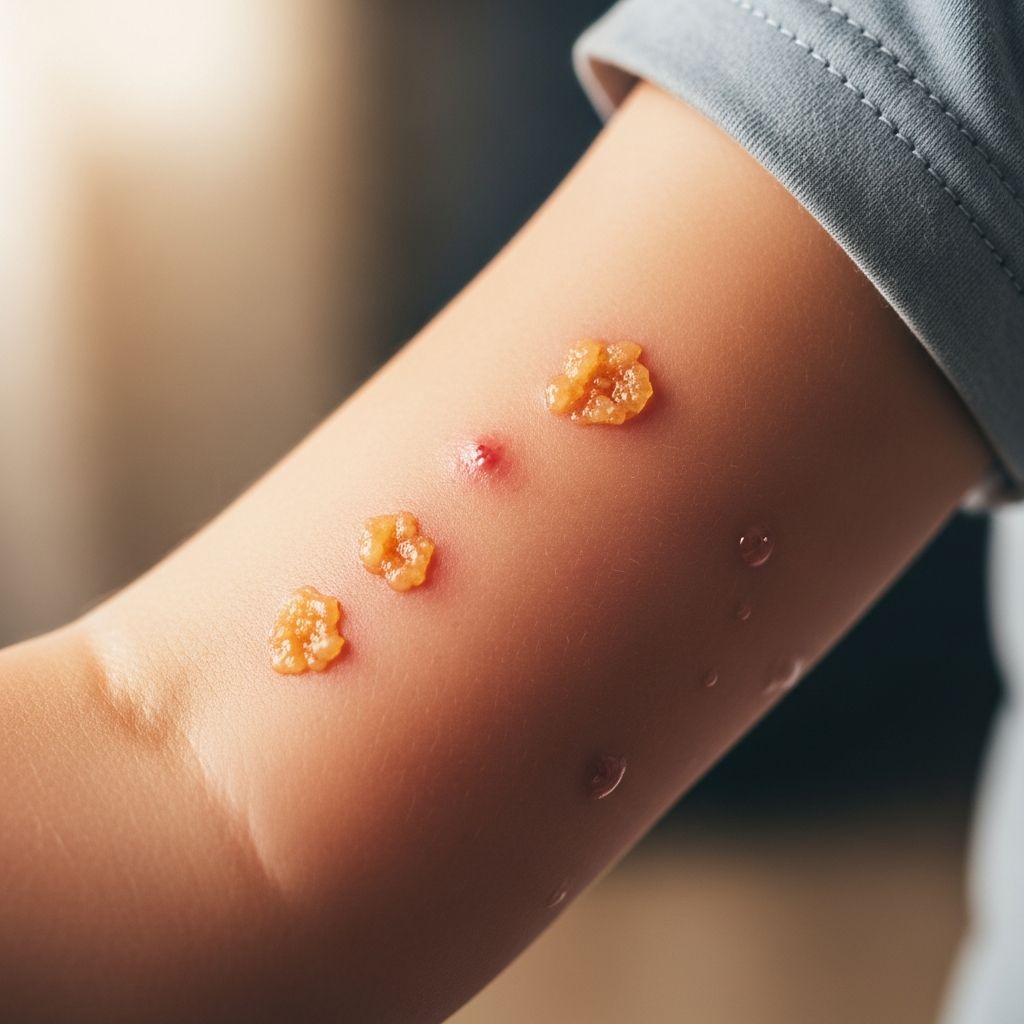
Parents often face the challenge of determining whether a child’s complaint stems from real discomfort or an attempt to avoid responsibilities. While most childhood illnesses are genuine, some kids occasionally exaggerate or invent symptoms to gain attention, skip school, or escape stressful situations. Understanding the patterns behind feigned illnesses empowers parents to respond with empathy while encouraging honesty and resilience.
Why Children Pretend to Be Sick
Children fake illness for various psychological reasons, often linked to emotional needs rather than malice. Common triggers include anxiety about school performance, bullying, family changes like divorce, or a desire for extra parental nurturing. Younger kids might lack the vocabulary to express feelings, resorting to physical complaints instead. Adolescents, facing academic pressure or social challenges, may use more sophisticated tactics.
Research highlights that factitious disorder in children involves intentionally producing or feigning symptoms to assume a sick role, without external incentives like financial gain. This behavior can stem from low self-esteem, weak coping skills, or exposure to illness in family members, teaching them how to mimic it convincingly.
Common Complaints Kids Might Exaggerate
Certain ailments are favorites for feigning because they are hard to disprove immediately and allow quick excuses from daily duties. Here’s a breakdown:
- Stomachaches: Easy to claim, as they don’t show visible signs. Kids might clutch their belly dramatically but eat snacks when unobserved.
- Headaches: Subjective and unverifiable, often cited for screen-time avoidance or homework escape.
- Fevers: Thermometer tampering, like warming it under hot water, can fake elevated temperatures.
- Nausea or Vomiting: Pretending to retch or hiding food to simulate poor appetite.
- Fatigue or General Weakness: Staying in bed, claiming exhaustion despite normal activity levels earlier.
These symptoms often appear conveniently before undesirable events, such as tests or chores, and resolve mysteriously once the obstacle passes.
Red Flags That Signal Faking
Observant parents can spot inconsistencies that genuine illness rarely shows. Look for these warning signs:
- Symptoms that start when alone or unobserved, like rashes only on easily accessible body parts.
- Inconsistent stories or vague details about pain onset and severity.
- Bright mood and energy contradicting the reported ailment, such as playing energetically after claiming severe fatigue.
- Knowledge of medical terms beyond age-typical understanding, suggesting researched fabrication.
- Reluctance to let parents consult teachers or doctors for verification.
| Genuine Illness Indicators | Feigned Illness Indicators |
|---|---|
| Consistent symptoms worsening over time | Symptoms appear suddenly before events like school |
| Visible signs (e.g., rash, fever confirmed by thermometer) | No objective evidence; normal vitals |
| Child appears distressed or lethargic | Cheerful demeanor when not ‘performing’ |
| Persists regardless of situation | Vanishes when benefits are denied |
This table summarizes key differences, helping parents differentiate quickly.
Understanding Factitious Disorders in Pediatrics
Beyond casual faking, some children engage in factitious disorder (FD), a mental health condition where they intentionally falsify symptoms to play the sick role. FD criteria include deliberate feigning without external rewards, often with a history of multiple unexplained issues and eagerness for invasive tests.
Studies document 42 cases in children, with symptoms like self-induced rashes or faked bleeding. Younger children use obvious methods and confess easily, while teens may persist longer. Differential diagnoses include somatization (unintentional symptoms) and malingering (for tangible gains). Conditions starting unobserved, like solitary vomiting, raise FD suspicion.
Factitious disorder imposed on another, formerly Munchausen by proxy, involves caregivers falsifying child symptoms, such as contaminating samples or withholding food. This abusive form demands immediate intervention.
How to Investigate Without Accusing
Approach suspicions gently to avoid shaming. Start by observing patterns: Track symptoms in a journal, noting timing, duration, and triggers. Verify with objective measures like multiple thermometer readings or doctor visits for non-invasive checks.
Communicate openly: “I see you’re not feeling well. Tell me more about it so I can help.” Offer comfort but set boundaries, like resting briefly before reassessing. Consult pediatricians if patterns persist; they can rule out organic causes.
Avoid direct confrontation initially, as it may escalate deception. Instead, praise honesty and problem-solving when real issues arise.
Psychological Roots and When to Seek Help
Feigning often masks deeper issues like depression, anxiety, or trauma. Children with low frustration tolerance or craving attention may default to illness roles. Early intervention prevents escalation; follow-up shows less repetition if addressed promptly.
Seek professional help if symptoms recur frequently, involve self-harm, or coincide with behavioral changes. Pediatric psychologists can assess for FD or underlying disorders using DSM criteria: intentional feigning motivated by sick role assumption.
Building Healthy Coping Strategies
Prevent faking by fostering emotional intelligence. Teach kids to voice feelings directly: “Use words like ‘I’m worried about the test’ instead of ‘My tummy hurts.'” Schedule quality time to reduce attention-seeking.
Promote resilience through routines, stress management like mindfulness for kids, and rewarding bravery in facing challenges. Model honest health reporting yourself.
Age-Specific Patterns and Responses
Toddlers and Preschoolers (Ages 2-5)
At this stage, imagination blurs with reality. They might fake coughs for cuddles. Respond with brief nurturing, then redirect to play. Symptoms rarely persist.
School-Age Kids (Ages 6-12)
School avoidance peaks here. Use school feedback to corroborate. Encourage peer activities to build social confidence.
Teens (Ages 13+)
More cunning, like faking migraines for late nights. Involve counselors; watch for FD signs like hospital shopping.
Frequently Asked Questions (FAQs)
What if my child fakes illness repeatedly?
Track patterns and consult a pediatrician or child psychologist to uncover root causes like anxiety. Early therapy prevents chronic patterns.
Is faking illness a sign of serious mental health issues?
Often not, but persistent cases may indicate factitious disorder or depression. Professional evaluation is key.
How can I prevent my child from faking sickness?
Open communication, consistent routines, and teaching emotional expression reduce the need for feigned symptoms.
Should I punish a child for lying about being sick?
No—punishment breeds secrecy. Use it as a teaching moment for honesty and coping skills.
What’s the difference between faking and Munchausen by proxy?
Faking is child-initiated; proxy involves caregiver fabrication, a form of abuse requiring child protection services.
Long-Term Outlook and Support
Most children outgrow casual faking with guidance. For FD cases, multidisciplinary care involving therapy improves outcomes, especially if confronted early. Parents play a vital role by balancing skepticism with compassion, ensuring real illnesses get prompt care while addressing fabrications constructively.
References
- Munchausen’s Syndrome and Other Factitious Disorders in Children — PMC (National Library of Medicine). 2010. https://pmc.ncbi.nlm.nih.gov/articles/PMC2990557/
- Munchausen syndrome by proxy — MedlinePlus (U.S. National Library of Medicine). Accessed 2026. https://medlineplus.gov/ency/article/001555.htm
- Signs and symptoms – Munchausen syndrome — NHS (National Health Service). Accessed 2026. https://www.nhs.uk/mental-health/conditions/munchausen-syndrome/symptoms/
- Factitious disorder – Symptoms and causes — Mayo Clinic. 2023-10-13. https://www.mayoclinic.org/diseases-conditions/factitious-disorder/symptoms-causes/syc-20356028
- Munchausen’s syndrome signs and symptoms — HSE (Health Service Executive). Accessed 2026. https://www2.hse.ie/conditions/munchausens-syndrome/