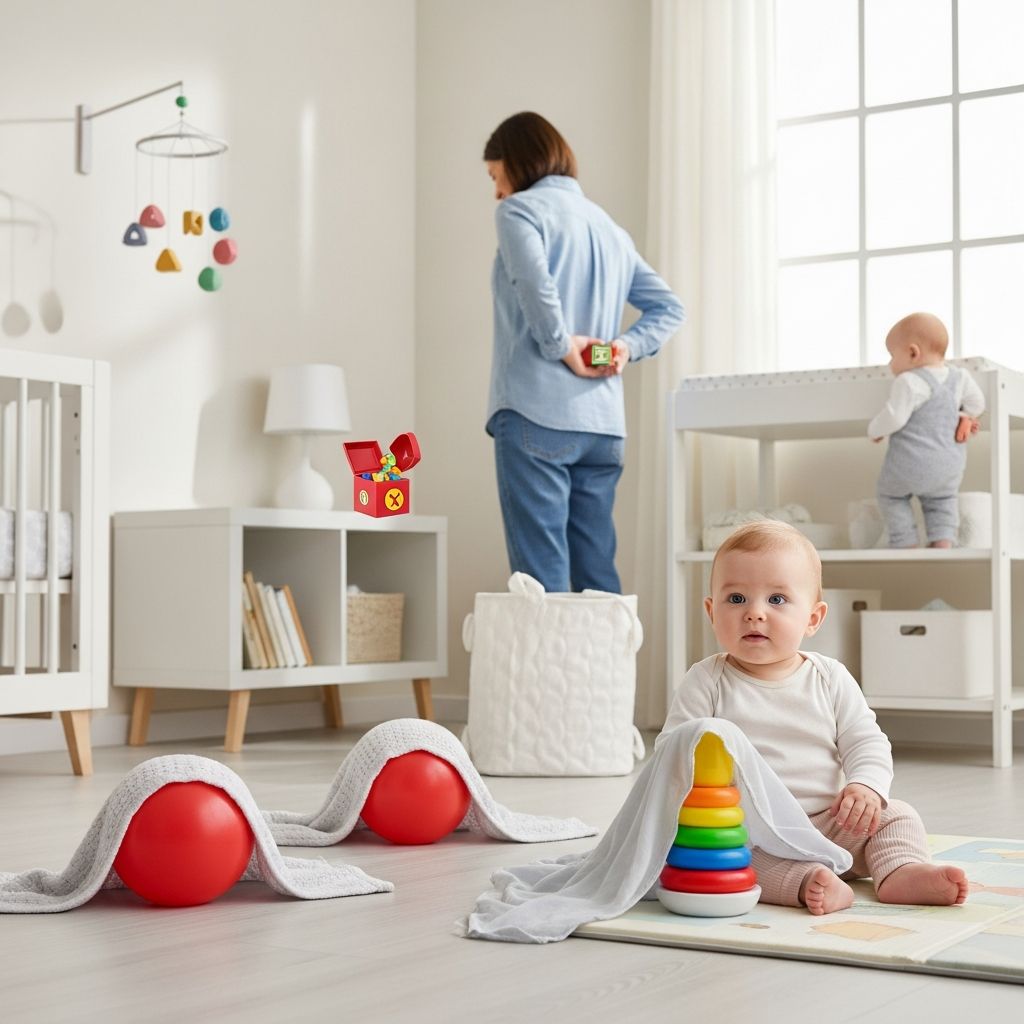
Many parents dream of the moment when bedtime becomes calm, predictable, and free from hours of rocking, bouncing, or pacing the hallway. Teaching a baby to fall asleep independently is less about strict “training” and more about gradually supporting their natural ability to self-soothe within a safe, loving relationship.
This article offers a gentle, structured approach to independent sleep that respects your baby’s emotional needs while giving you practical tools to reduce bedtime battles and night waking.
Why Independent Sleep Matters (For Everyone)
Independent sleep does not mean leaving a baby alone to struggle. Instead, it describes a process in which your baby can drift off to sleep with minimal help and fall back asleep during normal night wakings without always needing intense intervention. This benefits both your baby and you.
- For babies: Falling asleep more easily, getting longer stretches of rest, and feeling secure in a predictable routine.
- For parents: Reduced exhaustion, more evening downtime, and greater confidence in responding to sleep challenges.
Understanding How Babies Sleep
Before changing bedtime habits, it helps to understand that infant sleep is naturally lighter and more fragmented than adult sleep. Babies move through cycles of light and deep sleep and often stir or partially wake between these cycles.
When a baby always falls asleep in one specific way—such as nursing to sleep or being rocked—they often expect the same help each time they pass through a light stage of sleep and wake fully to seek that familiar support.
Self-Soothing: What It Is (and Isn’t)
Self-soothing is the baby’s growing ability to settle their body and mind enough to fall asleep with minimal intervention. It does not mean ignoring a distressed baby or forcing a newborn to sleep on a schedule that doesn’t fit their age.
- Self-soothing looks like: Sucking on hands, turning the head, snuggling a soft sleep sack, or calmly looking around before sleep.
- It does not look like: Leaving a young baby to cry endlessly, disregarding hunger, or overlooking signs of real distress.
Is Your Baby Ready for More Independent Sleep?
Age, health, and temperament all influence when and how to start encouraging independent sleep. Newborns need frequent feeding and close contact, while older babies can begin to link their sleep cycles with less help.
| Age Range | What’s Realistic | Readiness Signs |
|---|---|---|
| 0–3 months | Irregular sleep, frequent feeds, lots of help to sleep | Short calm periods when held, brief eye contact, beginning to distinguish day and night |
| 3–6 months | More predictable patterns, potential for longer stretches at night | Occasional ability to fall asleep after being put down drowsy, some self-soothing motions |
| 6–12 months | Stronger habits, more capacity to learn new routines | Can stay awake through a brief routine, may protest but can settle with consistent support |
If your baby has medical challenges, was born prematurely, or you have specific concerns, check with your pediatric professional before making major changes to their sleep routine.
Building the Foundations: Daytime Matters Too
Nighttime sleep improves when daytime rhythms support it. Over-tired or under-stimulated babies often struggle to settle at bedtime. Aim for a balanced day with predictable patterns.
- Provide age-appropriate wake windows so your baby is tired but not exhausted when it’s time to sleep.
- Offer plenty of physical affection, play, and time outdoors during the day to meet their emotional and sensory needs.
- Ensure regular feeding so hunger is not a constant barrier to settling.
Creating a Sleep-Friendly Environment
A calm, consistent sleep environment sends clear signals that it is time to rest. You do not need an elaborate nursery; small tweaks can make a big difference.
- Keep the room dim or dark at night, using blackout curtains if early sunrise or streetlights cause early waking.
- Use a safe, firm sleep surface with fitted sheet only—no loose blankets, pillows, or stuffed animals in the crib for young infants.
- Consider a steady, low-level sound (such as a white-noise machine) to mask household noise and help your baby link that sound with sleep.
Designing a Calming Bedtime Routine
A predictable series of soothing steps helps your baby shift from play to rest. Over time, the routine itself becomes a powerful cue that sleep is coming.
Choose a few simple activities and repeat them in the same order most nights:
- Warm bath or gentle wipe-down.
- Dim lights and soft voice.
- Short book or quiet song.
- Cuddle, feeding (if still part of bedtime), then a brief snuggle.
Keep the routine to 20–30 minutes so that your baby does not become overtired during the process.
The Key Step: Drowsy but Awake
The transition from being fully helped to sleep to falling asleep independently often hinges on one concept: putting your baby down when sleepy but not yet asleep. This allows them to practice the final steps of drifting off in the same place where they will sleep.
At first, your baby may protest or fuss, especially if they are used to falling asleep on your chest or at the breast or bottle. Gentle consistency and reassurance help bridge this gap.
A Gentle, Step-by-Step Approach
You can support independent sleep without choosing an all-or-nothing method. The process below is flexible; adjust the pace based on your comfort and your baby’s reactions.
Step 1: Observe and Adjust Current Habits
- Notice how your baby currently falls asleep: nursing, rocking, walking, or in a stroller or car seat.
- Choose one sleep period (often bedtime) to begin new habits, while keeping others (like naps) more flexible at first.
- Gradually shorten or soften the most intense part of the existing sleep aid (for example, rock gently instead of bouncing vigorously).
Step 2: Introduce Predictable Cues
- Begin your simple bedtime routine at roughly the same time each night.
- Use consistent soothing cues—same song, same phrase, same dim light—to help your baby connect them with sleep.
- End the routine in the sleep space (crib, bassinet) rather than in another room.
Step 3: Practice Putting Down Awake
- After your calming routine, hold or feed your baby until they are relaxed and heavy-eyed, but pause before they fall completely asleep.
- Lay them down gently, keeping your hands around them for a moment if it helps them feel secure.
- If they fuss immediately, offer a brief soothing touch or gentle voice without recreating the full old routine.
Step 4: Offer Responsive Comfort, Not Full Rescue
When your baby cries, you can respond without automatically undoing the independent sleep practice. The goal is to reassure while still letting them do some of the settling themselves.
- Pause for a short moment to see if they can adjust on their own.
- If the crying escalates, step in with gentle touch or quiet words, keeping lights low and stimulation minimal.
- Avoid picking up or feeding immediately if you know they are not hungry and are simply protesting the change—unless your instincts or their age and health suggest otherwise.
Step 5: Gradually Reduce Your Involvement
Over several nights, you can slowly lessen the amount of help you provide as your baby becomes more confident falling asleep.
- Move from rocking to still holding, then to placing a resting hand on their chest, then to sitting nearby.
- Shorten the length of time you stay after putting them down, leaving while they are still drowsy.
- Respond at night with brief reassurance rather than starting the entire routine over again.
Responding to Night Wakings
Night wakings are normal, especially in the first year. The aim is not to eliminate waking entirely but to help your baby return to sleep with less disruption.
- First, check basic needs: hunger, a dirty diaper, illness, or discomfort.
- If everything seems fine, use the same calming cues as at bedtime—soft voice, brief touch, minimal light.
- Try to put your baby back down drowsy but awake after feeds rather than letting them always fall fully asleep at the breast or bottle.
Balancing Consistency with Flexibility
Consistency helps your baby understand what to expect, but rigid rules can create unnecessary stress. It is acceptable to adjust when your baby is sick, teething, traveling, or going through a developmental leap.
- Give yourself permission to offer extra comfort during tough phases, then gently return to your usual routine once things settle.
- If you need to pause the process for a few days, that does not mean you have failed—simply restart from the last step that felt manageable for both of you.
Common Challenges and How to Handle Them
Protest Crying at Bedtime
Some level of complaining or mild crying is common when routines change. Your presence, tone, and consistency help your baby feel secure even when they are unhappy about the new pattern.
- Differentiate between brief protest cries and intense, panicked crying. Respond more quickly to the latter.
- Reassure yourself that you are not ignoring your baby; you are still present and responsive while encouraging new skills.
Parent Guilt and Anxiety
Many caregivers feel conflicted about encouraging independent sleep, worrying that it may harm attachment. In a loving, responsive relationship, gently helping a baby learn to fall asleep on their own does not damage the bond—it often improves family wellbeing.
- Focus on connection during the day and during the bedtime routine with extra cuddles and eye contact.
- Remind yourself that rest is a basic need for parents, too, and meeting your own needs helps you show up more patient and present.
Attachment and Independent Sleep Can Coexist
Secure attachment is built on thousands of moments of comfort, care, and responsiveness, not on whether a baby ever fusses at bedtime. Teaching independent sleep within an emotionally warm context can actually support security by creating predictable routines and calmer caregivers.
If you stay attuned to your baby’s cues, adjust when something feels off, and continue to respond with sensitivity, independent sleep becomes one more skill learned in the safety of your relationship—not a test of it.
Simple Do’s and Don’ts
- Do create a consistent, soothing bedtime routine.
- Do aim to put your baby down drowsy but awake when possible.
- Do respond to real distress and check for hunger, illness, or discomfort.
- Don’t expect change overnight; habits form gradually.
- Don’t compare your baby’s sleep to others; every child’s timeline is different.
- Don’t ignore your own exhaustion—seek help from partners, friends, or professionals when needed.
Frequently Asked Questions
1. At what age can I start encouraging independent sleep?
You can begin laying foundations, such as a simple bedtime routine and a calm sleep environment, within the first few months. More active efforts to put a baby down drowsy but awake commonly begin between three and six months, depending on the baby’s health, growth, and temperament.
2. Will encouraging independent sleep harm my baby’s attachment to me?
Independent sleep, when done gently and responsively, does not damage attachment. Secure attachment relies on consistent caregiving, emotional warmth, and sensitivity throughout the day and night, not on a particular way of falling asleep.
3. What if my baby cries when I put them down?
Some crying is a normal reaction to change. You can respond with reassurance—patting, shushing, or brief pick-ups—while still aiming to let your baby fall asleep in their sleep space. If the crying becomes intense or feels wrong to you, it is fine to comfort more and slow the pace of change.
4. Do I have to stop feeding to sleep?
Feeding to sleep is not inherently “bad,” and many families choose to keep it because it feels natural and comforting. If you want more independent sleep, you can gradually separate feeding from falling asleep by moving the feed earlier in the routine and ending with a few minutes of non-feeding cuddles before putting your baby down.
5. How long does it take for a baby to learn to fall asleep on their own?
Every baby is different. Some adjust in a few days, while others need several weeks of gentle, consistent practice. Progress is rarely linear, so expect ups and downs and celebrate small improvements, like shorter settling times or fewer full wake-ups.
Final Thoughts
Helping your baby learn to fall asleep independently is a gradual process, not a single decision. With a calm environment, predictable routines, and responsive support, most babies are capable of developing strong sleep skills while staying deeply connected to their caregivers.
Trust your instincts, move at a pace that feels right for your family, and remember that your presence, patience, and love matter far more than any specific technique.