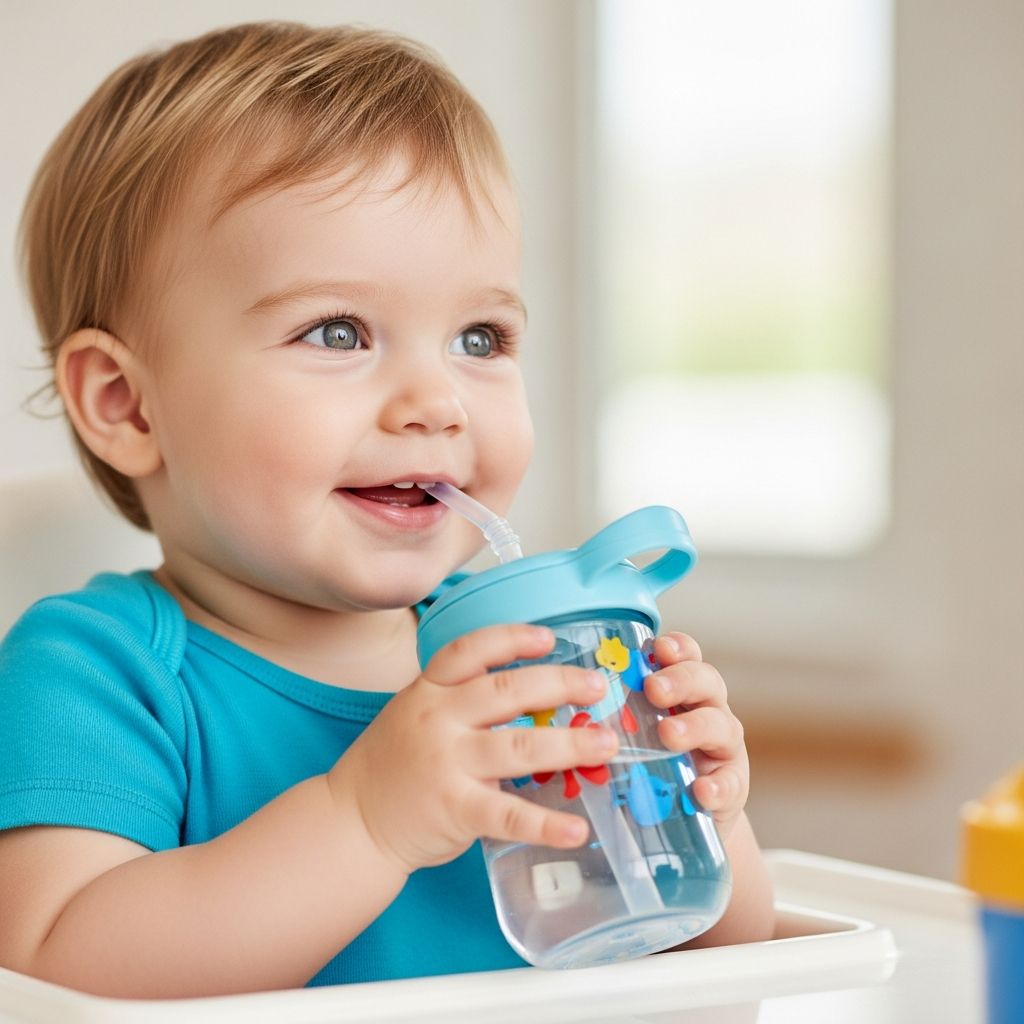
Transitioning children to straw cups marks a key developmental milestone that supports oral motor skills, reduces spills compared to open cups, and prepares them for lifelong drinking habits. Unlike sippy cups, which can delay skill progression, straw cups encourage lip sealing and controlled suction essential for speech and feeding. This guide draws from therapeutic and pediatric expertise to provide original, practical methods for parents.
Why Straw Drinking Matters for Development
Straw drinking strengthens the muscles used in speaking, swallowing, and eating. It promotes a tight lip seal, tongue elevation, and sustained suction—skills that underpin clear articulation and safe swallowing. Pediatric guidelines recommend introducing cups around 6 months, with straws ideal for 9-12 months to build these competencies before toddlerhood.
Research from speech-language pathology highlights that early straw practice correlates with better oral motor control, potentially reducing feeding aversions and speech delays. For children with sensory sensitivities, straws offer a low-pressure entry to cup use, minimizing frustration from spills.
Age-Appropriate Timeline for Introduction
- 6-9 Months: Begin with assisted sips using thickened liquids like breast milk smoothies for easier flow.
- 9-12 Months: Focus on independent suction with short straws.
- 12-18 Months: Transition to regular straw cups, emphasizing self-holding.
- 18+ Months: Combine with open cups for versatile skills.
Adjust based on your child’s cues; patience prevents resistance.
Essential Tools and Supplies
Opt for short, wide straws initially to require less suction effort. Therapy cups with squeezable bases, like bear-shaped trainers, assist beginners by demonstrating flow. Avoid narrow coffee stirrers until mastery, as they demand advanced control.
| Tool Type | Best For | Pros | Cons |
|---|---|---|---|
| Short Plastic Straw | Beginners (6-12 mo) | Easy suction, inexpensive | May need cutting |
| Squeeze Trainer Cup | Assisted learning | Visual flow demo | Bulkier |
| Weighted Straw Cup | Toddlers (12+ mo) | Stability | Heavier for small hands |
| Open Cup Pair | Advanced combo | Skill variety | Spill risk |
Step-by-Step Straw Introduction Techniques
Technique 1: Finger-Seal Method
This foundational approach uses a standard straw for controlled liquid delivery.
- Cut a straw in half for manageability and reduced effort.
- Dip into preferred liquid (water, formula), seal top with finger.
- Position at child’s lips, tilted downward; release finger for a small flow while saying “sip.”
- Encourage lip closure around straw before next release.
- Once sealed, place straw in mouth without releasing finger; prompt suck, then allow flow.
Repeat rapidly to link sucking with reward. For lip challenges, gently pinch cheeks or stretch lips.
Technique 2: Squeeze-Aid Progression
Ideal for trainer cups; builds effort gradually.
- Fill straw fully by squeezing, demonstrate on napkin.
- Place in mouth, squeeze minimally into mouth.
- Partially fill straw next time, increasing suck demand.
- Lower liquid level progressively until independent.
Thicker liquids like yogurt drinks slow flow, aiding coordination.
Technique 3: Modeling and Chasing
Leverage imitation during meals.
- Drink from your straw cup, then offer theirs.
- Place cup slightly out of reach to prompt reaching.
- Use scoop bibs or bath practice for spill tolerance.
Troubleshooting Common Hurdles
Spills and refusal are normal; address root causes.
| Issue | Solution |
|---|---|
| Won’t close lips | Stroke cheeks, model closing; use thicker straws. |
| Too much spilling | Practice outdoors; one-sip-pull-away method. |
| Refusal or gagging | Take breaks; chase ‘why’—hunger, pressure? |
| Weak suction | Short/wide straws; narrow later for challenge. |
If persistent, consult a speech therapist for customized plans.
Integrating Straw Practice into Daily Routines
Mealtimes are prime: offer straw cup alongside solids from 6 months. Share cups occasionally to normalize. Track progress weekly—note independent sips. Combine with open cups: straw for suction, open for tilting.
For sensory kids, sensory bumps on cups guide lip placement. Outdoors or bath reduces spill stress, building confidence.
Advanced Skills: From Straw to Open Mastery
Once straw-proficient (around 12-18 months), introduce open cups with minimal liquid. Alternate to develop full repertoire: lip seal (straw), head tilt (open). Avoid sippy cups long-term, as they hinder these.
Frequently Asked Questions (FAQs)
What age should I start straw training?
Around 6-9 months, starting with assistance; full independence by 12-18 months.
Is it okay if my child prefers bottles longer?
Yes, but gradual cup intro prevents prolonged dependence; follow cues.
How do I know if my child needs therapy?
If no progress by 18 months or signs of oral motor delay, seek professional evaluation.
Can straw cups help with speech development?
Yes, by strengthening relevant muscles; supported by speech pathology practices.
What liquids work best initially?
Preferred ones like breast milk, smoothies for slow flow.
Long-Term Benefits and Parental Tips
Mastery fosters independence, cuts mess, and boosts confidence. Parents: Stay playful, pressure-free. Celebrate small wins like first independent sip. This skill paves the way for self-feeding triumphs.
References
- How to Teach Straw Drinking — ARK Therapeutic. 2023. https://www.arktherapeutic.com/blog/how-to-teach-straw-drinking/
- How to Teach Baby to Drink from a Cup — Solid Starts. 2024. https://solidstarts.com/cup-drinking/
- How to Teach Your Baby to Drink from a Straw — Your Kid’s Table. 2023. https://yourkidstable.com/how-to-teach-your-baby-or-toddler-to/
- Feeding Milestone: Straw Drinking — ezpz Fun. 2024. https://ezpzfun.com/blogs/mealtime-milestones/feeding-milestone-straw-drinking
- Learning to drink from a cup: babies and toddlers — Raising Children Network (Australian Government-funded). 2025-04-01. https://raisingchildren.net.au/babies/breastfeeding-bottle-feeding-solids/solids-drinks/learning-to-drink-from-a-cup