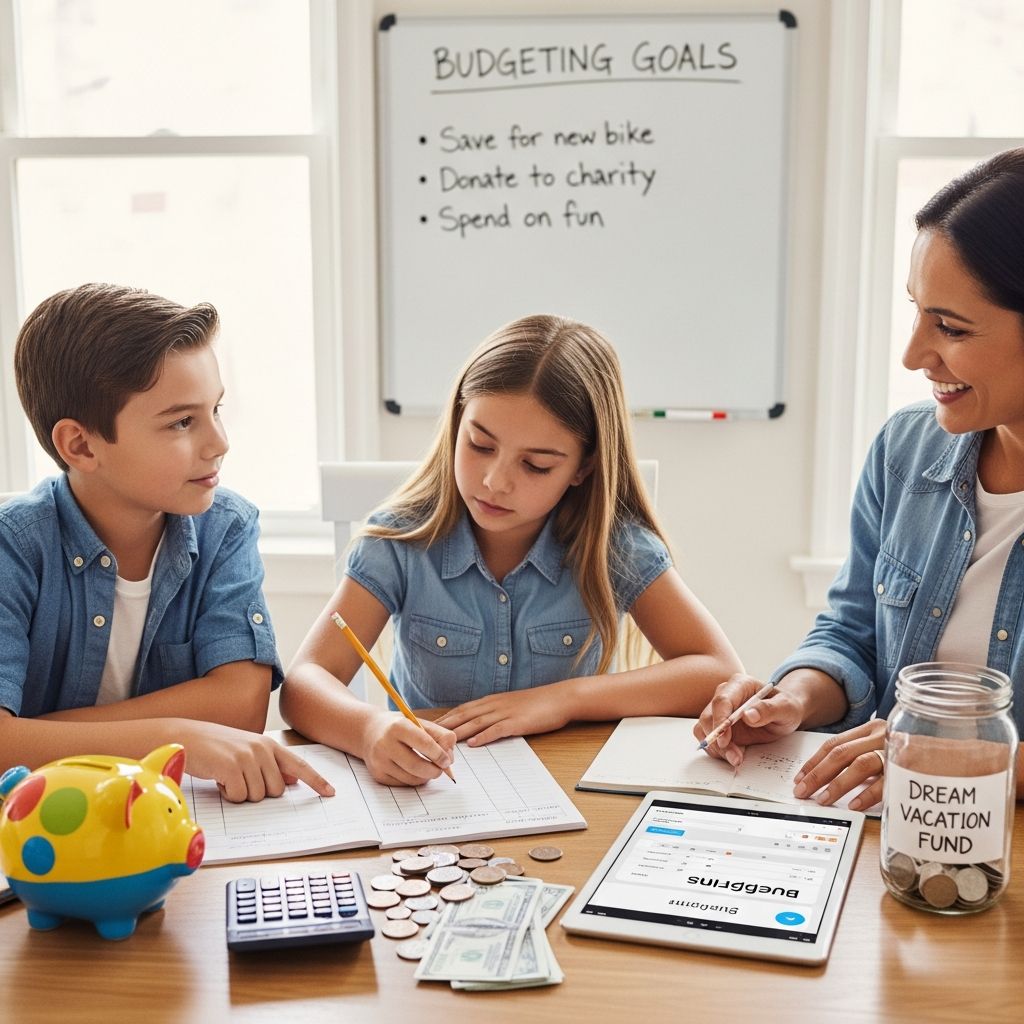
Teaching tweens the art of budgeting lays the foundation for financial independence and responsible decision-making. By introducing core concepts like income tracking, expense categorization, and goal setting early, parents can equip children aged 10-13 with skills that prevent overspending and foster long-term savings habits.
Understanding the Basics of Money for Young Minds
Start conversations about money by explaining fundamental terms in simple language. A budget is essentially a plan for how to use limited resources effectively. For tweens, this means distinguishing between essential needs—like school supplies or bus fare—and wants, such as trendy snacks or video games. Research shows that early education on needs versus wants helps teens avoid impulsive purchases and builds awareness of financial trade-offs.
Discuss income sources realistically: allowances, birthday gifts, or earnings from chores. Emphasize that outflows should never exceed inflows to maintain balance. Use real-life examples, like choosing between daily treats and saving for a new gadget, to illustrate opportunity costs.
Step-by-Step Process to Build a Tween Budget
Guide your child through creating their first budget with these structured steps, adapted for their age and limited earnings.
- Calculate Total Income: Tally all monthly inflows, including weekly allowances converted to monthly amounts and irregular gifts. For instance, a $10 weekly allowance equals $40-$50 monthly.
- List Expenses: Categorize spending into needs (transport, lunch), wants (entertainment, clothes), savings, and giving. Track for one month to reveal patterns.
- Allocate Percentages: Suggest a simple rule: 50% needs, 30% wants, 20% savings. Adjust based on their income.
- Review and Adjust: Weekly check-ins ensure adherence; celebrate sticking to the plan.
This methodical approach mirrors adult budgeting while keeping it accessible, promoting accountability without overwhelming young users.
Practical Tools and Apps for Tween Budgeting
Leverage technology to make budgeting engaging. Kid-friendly apps allow virtual tracking of bi-weekly allowances, simulating real banking. Spreadsheets offer a free, customizable option: columns for date, category, amount, and balance provide visual progress.
Introduce online banking access for teens with parental controls, teaching digital transactions safely. Envelope systems digitize into apps with virtual ‘envelopes’ for categories—fill savings first, then spending.
| Tool Type | Best For | Features | Age Suitability |
|---|---|---|---|
| Budget Apps | Daily Tracking | Goal setting, alerts, charts | 11-13 |
| Spreadsheets | Custom Categories | Formulas, visuals, free | 12+ |
| Bank Apps | Real Money | Transfers, statements | With supervision |
| Envelope Method | Visual Limits | Cash or digital pots | All tweens |
These tools transform abstract concepts into interactive experiences, boosting retention by 37% in financial literacy programs.
Fostering Saving Habits Through Goal Setting
Motivate with tangible goals: a bike, game console, or charity donation. Break into milestones—$20 weekly toward a $200 target—and track visually with charts. Bi-weekly allowances encourage planning over two weeks, teaching foresight.
Involve earning extra via age-appropriate jobs like pet-sitting or lawn mowing, linking effort to rewards. This instills work ethic and income diversification.
Addressing Overspending and Building Resilience
Overspending happens; use it as a lesson. Analyze slips—daily coffees adding up?—and brainstorm cuts, like packing lunch. Simulate emergencies with envelope activities: allocate for a ‘car repair’ surprise, adjusting other areas.
Teach debt basics through small family loans, repaid from allowance, highlighting interest’s impact. Stress planning for surprises maintains budget integrity.
Modeling Financial Behavior as a Parent
Children learn by observation. Share your budget transparently: “Here’s my bills vs. fun money.” Joint tracking sessions demystify adult finances, inspiring discipline. Discuss taxes and net pay simply to prepare for future jobs.
Promote giving: allocate 10% to charity, reinforcing values beyond self.
Age-Appropriate Activities to Reinforce Learning
- Shopping Simulations: Set a mall budget; compare prices online first for best deals.
- Goal Challenges: Race to save for matching items, discussing strategies.
- Peer Presentations: Have them explain budgets to friends, solidifying knowledge.
- Family Budget Nights: Review everyone’s progress over dinner.
These hands-on methods make finance fun, embedding habits deeply.
Frequently Asked Questions
What age should I start teaching budgeting?
Around 10-11 years, when kids handle allowances independently and grasp basic math.
How much allowance is ideal for budgeting practice?
Enough for needs and some wants, like $20-50 bi-weekly, to encourage real choices without excess.
What if my tween refuses to track spending?
Start small with one category, use fun apps, and lead by example to build buy-in gradually.
Can tweens use bank accounts for budgeting?
Yes, teen accounts with oversight teach real-world banking safely.
How do I handle birthday money windfalls?
Incorporate into monthly income; allocate per budget rules to avoid splurges.
Long-Term Benefits of Early Budget Training
Tweens mastering budgets enter teens with confidence, avoiding debt traps and building wealth. Programs show participants gain 37% in financial knowledge, translating to better life outcomes. Consistent practice yields disciplined adults.
References
- Budgeting Tips for Teens in 6 Easy Steps — Bank of America Better Money Habits. 2023-01-01. https://bettermoneyhabits.bankofamerica.com/en/personal-banking/teaching-children-how-to-budget
- Teaching Kids About Money, Ages 11-13 — SageVest Kids Financial Education. 2024-06-15. https://www.kidsfinancialeducation.com/advice/ages-11-13/
- 5 Key Budget Skills for Teens — Heartland Credit Union. 2023-04-04. https://heartlandcu.org/2023/04/04/5-key-budget-skills-for-teens-what-you-need-to-know-2/
- Budgeting Activities for Teens: A Classroom Guide — EVERFI. 2024-09-10. https://everfi.com/blog/k-12/budgeting-activities-for-teens-a-classroom-guide-for-teachers/