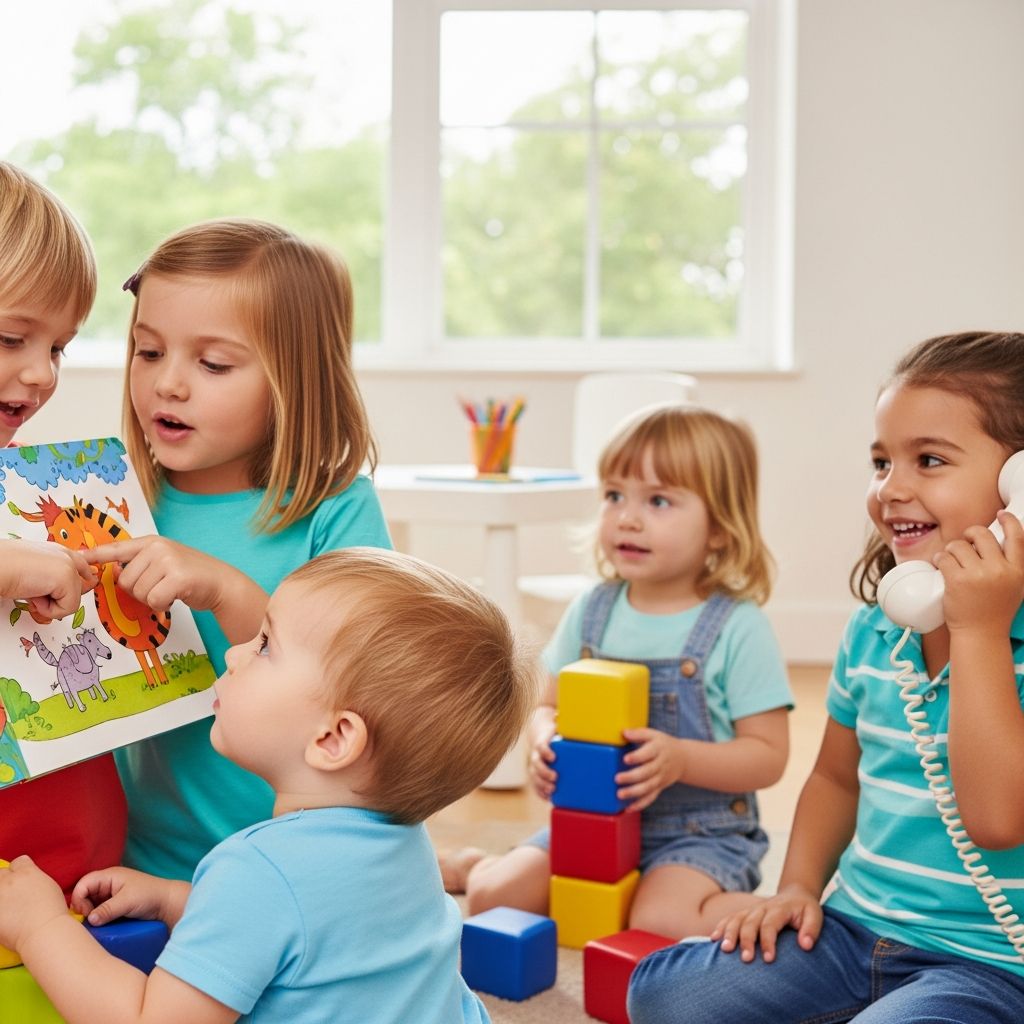
Toddlers experience intense emotions but lack the tools to manage them effectively. Parents can teach self-regulation through consistent, supportive strategies that build lifelong emotional resilience.
Why Toddlers Struggle with Big Emotions
Between ages 1-3, children’s brains develop rapidly, yet their prefrontal cortex—the area controlling impulses—remains immature. This leads to frequent outbursts when facing frustration, fear, or anger. Research shows toddlers naturally shift toward more adaptive strategies as they age, using self-soothing for fear and seeking caregiver help for anger.
Understanding this developmental stage helps parents respond empathetically rather than reactively. A predictable environment with modeled calm behaviors supports healthier emotional processing.
Building a Foundation: Create Predictable Routines
Consistency reduces emotional overload. Establish daily rituals like quiet time after play or snack breaks to preempt meltdowns.
- Designate a ‘cozy corner’ with soft toys and pillows for voluntary calm-downs.
- Use visual schedules with pictures to preview transitions, minimizing surprises.
- Incorporate short breathing games into routines, like ‘balloon breaths’ where kids inhale deeply and exhale slowly.
These routines teach toddlers that they have control over their feelings, fostering independence.
Mastering Breathing and Body Calm-Down Techniques
Simple physiological tools activate the parasympathetic nervous system, lowering heart rates during distress. Introduce them during calm moments for better retention.
| Technique | How to Teach | Benefits |
|---|---|---|
| Deep Belly Breaths | Place hand on belly; inhale to rise, exhale to fall. Repeat 3x. | Reduces anxiety instantly; easy for all ages. |
| 1-2-3 Breathe | Inhale 1-2-3, hold 1-2-3, exhale 1-2-3. | Builds focus and delays reactions. |
| Balloon Blow | Pretend to inflate a balloon with slow breaths. | Fun, portable; no materials needed. |
| Starfish Stretch | Extend arms/legs like a star; breathe while stretching. | Releases tension through movement. |
Practice daily: ‘Let’s blow up our happy balloons!’ Toddlers respond well to playful framing.
Labeling Emotions: The Power of Naming Feelings
Verbalizing emotions helps toddlers process them. ‘You seem frustrated because the tower fell’ validates their experience without judgment.
- Use emotion charts or puppets during play to expand vocabulary: happy, sad, mad, scared.
- Label in real-time: ‘Your face shows you’re angry. It’s okay to feel that.’
- Read books featuring characters with big feelings to normalize them.
Studies confirm labeling reduces intensity, enabling problem-solving.
Positive Reinforcement: Celebrate Small Wins
Notice and praise effort: ‘You took a deep breath—that helped you feel better!’ Specific feedback reinforces neural pathways for self-control.
Non-verbal cues like thumbs-up work for shy kids. Avoid over-praising outcomes; focus on process to build intrinsic motivation.
Role-Playing for Real-Life Practice
Pretend play builds empathy and rehearsal skills. Use dolls: ‘teddy is mad his block broke. What can he do?’ Guide toward hugs or breaths.
- Act out scenarios: sharing toys, waiting turns.
- Rotate roles: parent as child, child as helper.
- Incorporate games like ‘freeze dance’ for impulse control.
This externalizes emotions, making them less overwhelming.
Distraction and Situation Management
For young toddlers, redirecting attention prevents escalation. Change the environment or offer alternatives: ‘Let’s build a car instead!’
As they mature (24-36 months), teach avoidance of triggers: ‘We walk calmly in stores.’ Pair with gestures like a firm ‘stop’ hand.
Modeling Calm: Parents as Emotional Coaches
Kids mirror adults. Narrate your regulation: ‘I’m frustrated, so I’ll breathe.’ Stay composed during outbursts—your calm de-escalates theirs.
Use low, steady voices over yelling. After storms, debrief: ‘What made you mad? Next time, we can try words.’
Age-Specific Strategies: From 18 Months to 3 Years
| Age | Key Challenges | Top Strategies |
|---|---|---|
| 18-24 Months | Fear, separation anxiety | Self-soothing breaths, distraction, caregiver comfort. |
| 24-30 Months | Anger from frustration | Labeling, role-play, seeking help adaptively. |
| 30-36 Months | Impulse control, sharing | Games for turn-taking, positive reinforcement, pretend play. |
Tailor approaches as brain maturation allows more controlled responses.
Common Pitfalls and How to Avoid Them
- Expecting instant compliance: Repetition builds skills—thousands of cues needed.
- Ignoring your emotions: Unregulated parents model chaos.
- Over-relying on punishment: Praise effort over consequences.
- Skipping calm-time practice: Proactive teaching beats reactive fixing.
Long-Term Benefits of Early Emotional Training
Children taught regulation show fewer behavioral issues, better peer relations, and academic success. Programs like Incredible Years demonstrate reduced aggression via consistent strategies.
By age 3, toddlers using advanced self-strategies (e.g., verbal help-seeking) thrive in preschool.
Frequently Asked Questions (FAQs)
What if my toddler ignores calming techniques?
Persist gently; skills develop over months. Start in low-stress times and keep sessions short (1-2 minutes).
Is it okay to let toddlers cry it out?
Short cries are normal, but respond to teach regulation. Comfort + strategy > isolation.
How do I handle public meltdowns?
Stay calm, use portable breaths, redirect. Remove if unsafe; debrief later.
When should I seek professional help?
If outbursts persist intensely beyond age 3 or involve harm, consult a pediatrician.
Can screen time help with emotions?
Limited interactive apps on feelings may aid, but hands-on play is superior.
References
- 7 Self Regulation Strategies for Toddlers — Teaching Strategies. 2023. https://teachingstrategies.com/blog/6-self-regulation-strategies-toddlers/
- Big Emotions, Little Kids: 4 Emotional Regulation Skills That Work — Incredible Years. 2024. https://www.incredibleyears.com/blog/emotional-regulation
- Emotion Regulation in Toddlerhood: Regulatory Strategies in Anger… — PMC (NIH). 2023-05-15. https://pmc.ncbi.nlm.nih.gov/articles/PMC10216924/
- Helping Toddlers Develop Self-Control From 24-36 Months — Zero to Three. 2024. https://www.zerotothree.org/resource/developing-self-control-from-24-36-months/
- Self-regulation in children & teenagers — Raising Children Network (Australian Gov). 2025. https://raisingchildren.net.au/toddlers/behaviour/understanding-behaviour/self-regulation
- How to help kids understand and manage their emotions — American Psychological Association. 2024. https://www.apa.org/topics/parenting/emotion-regulation
- An Age-By-Age Guide to Helping Kids Manage Emotions — Gottman Institute. 2023. https://www.gottman.com/blog/age-age-guide-helping-kids-manage-emotions/
- How Can We Help Kids With Self-Regulation? — Child Mind Institute. 2024. https://childmind.org/article/can-help-kids-self-regulation/