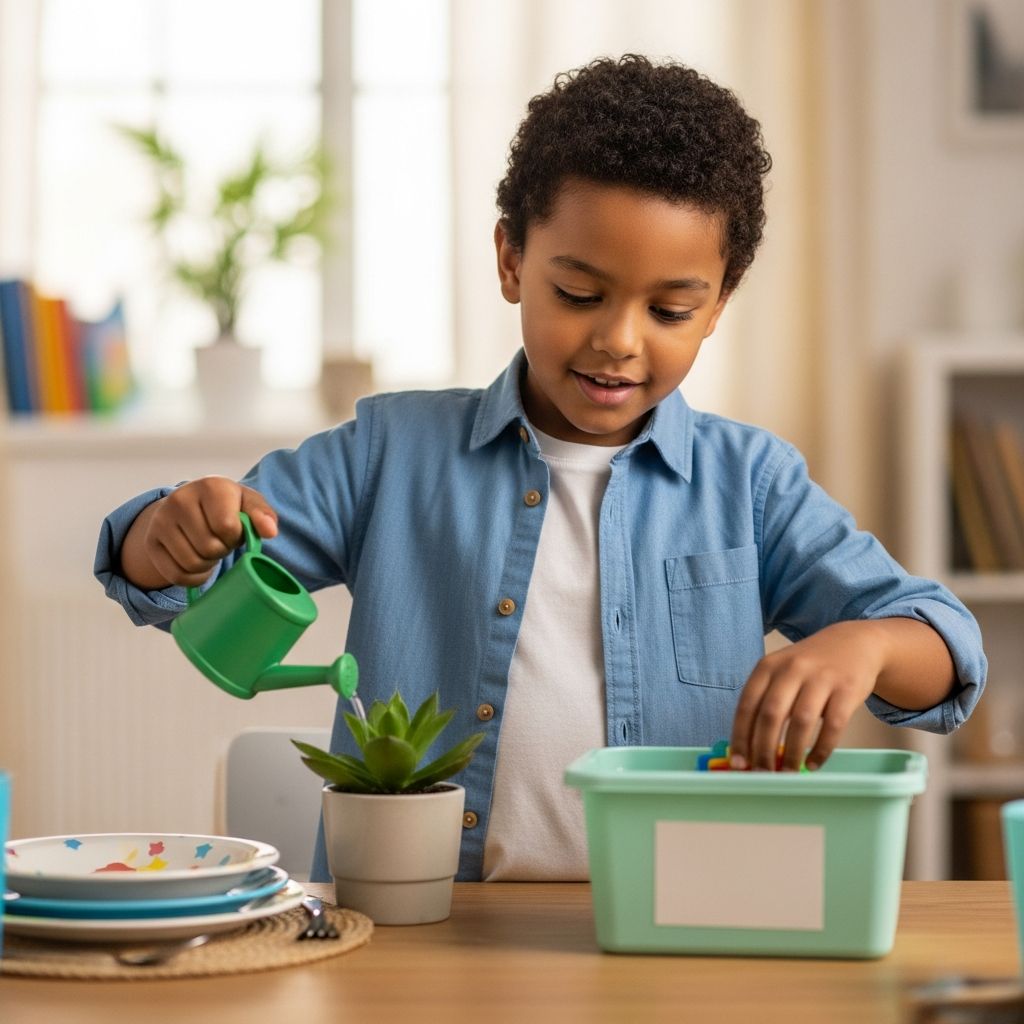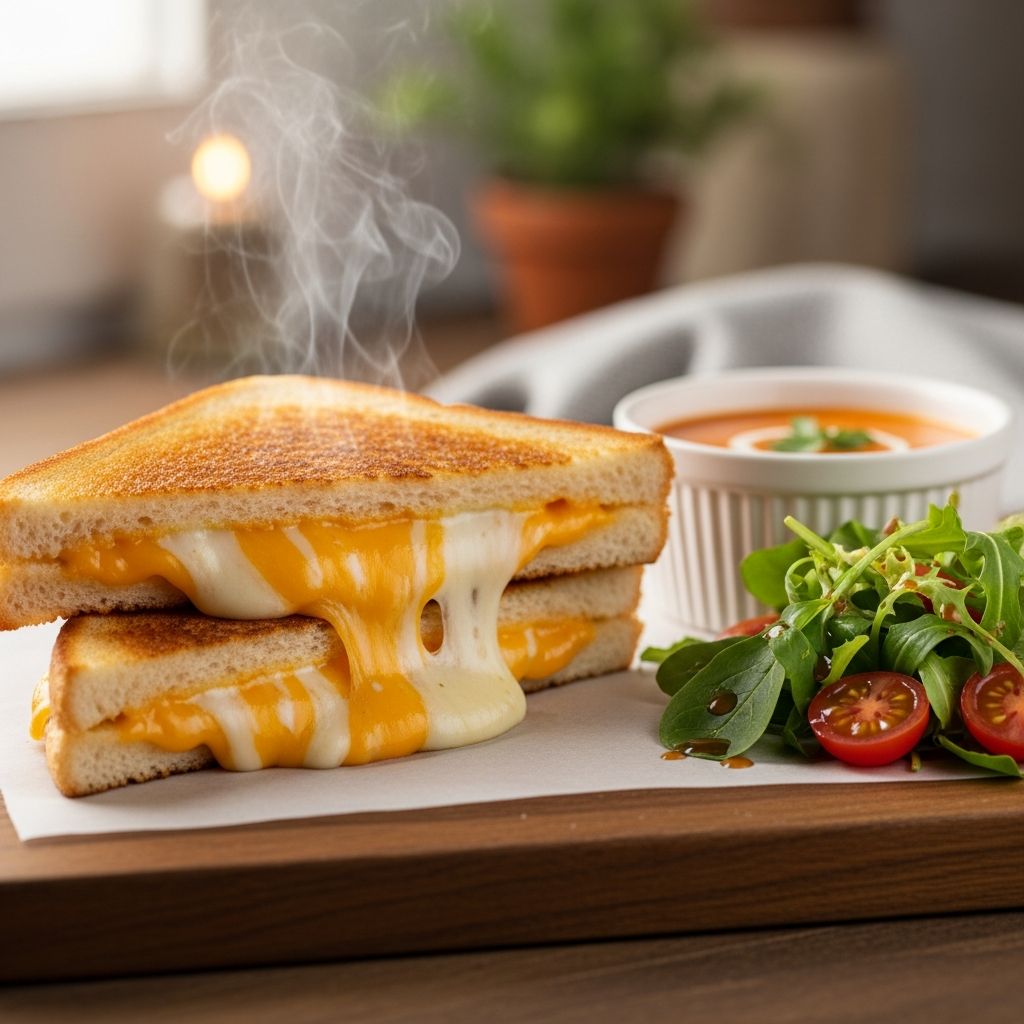
Grilled cheese is often the first real meal many kids learn to cook on their own. It is quick, inexpensive, flexible, and teaches core skills they will use for a lifetime of cooking. Teaching a young person to prepare a simple grilled cheese safely gives them confidence in the kitchen and a reliable way to feed themselves when they eventually move out.
Beyond melting cheese between bread, this classic sandwich introduces kids to heat control, food safety, basic knife use, and the idea of turning random fridge items into a complete meal. Research on young adults shows that strong food and cooking skills are closely tied to better diet quality and more independence around food choices. Helping kids learn these skills early makes the transition to adulthood easier and healthier.
Why Grilled Cheese Is a Perfect Starter Recipe
Grilled cheese sandwiches check nearly every box for a beginner-friendly lesson in cooking. They are forgiving, fast, and use familiar ingredients. More importantly, they are satisfying enough that kids see an immediate reward for their effort.
- Low cost: Bread, cheese, and a bit of fat are budget ingredients most households already have.
- Short ingredient list: Few ingredients reduces overwhelm for beginners.
- Flexible and customizable: The base recipe can be adapted to fit picky eaters or adventurous cooks.
- Quick cooking time: Fast results keep new cooks engaged and willing to try again.
- Foundational skills: Kids practice handling heat, timing, and food safety in a low-stress way.
Essential Safety Rules Before Turning On the Stove
Teaching grilled cheese is an ideal moment to reinforce basic kitchen safety habits that will apply to every recipe they cook later. Studies of essential teen kitchen skills highlight the importance of food safety, appliance use, and time management as core competencies before leaving home.
Stove and Pan Safety
- Always ask an adult before using the stove, especially for younger kids.
- Keep handles turned inward so pans are not knocked off the stove.
- Use dry oven mitts or pot holders when touching hot pans or lids.
- Never leave a pan on the heat unattended, even for “just a minute.”
- Keep sleeves, dish towels, and paper away from open flames or burners.
Burn and Fire Prevention
- Teach kids where the hot zones are: directly above the burner, inside the pan, and on metal handles.
- Explain that butter or oil can smoke if overheated; if it does, turn off the heat and remove the pan from the burner.
- Show them how to turn off the burner properly and check that it is truly off.
- Talk through what to do if food starts to burn: turn off heat first, then move the pan.
Food Safety Basics
Even a simple sandwich is a chance to reinforce healthy habits around food storage and hygiene. Food educators consistently list food safety basics as key life skills for teens.
- Wash hands with soap and water for at least 20 seconds before touching food and after touching raw ingredients.
- Keep cheese and perishable fillings in the refrigerator until you are ready to cook.
- Do not use cheese or deli meats that smell sour, look moldy (unless it is supposed to be mold-ripened cheese), or are past their safe date.
- Use clean cutting boards and knives, especially if adding other ingredients like cooked meat or vegetables.
Tools and Ingredients: Setting Up for Success
Learning grilled cheese should also teach kids how to gather tools and ingredients before cooking. In professional kitchens, this is called mise en place—having everything ready before the heat goes on.
Basic Equipment Kids Should Learn to Use
- Nonstick or stainless skillet or frying pan
- Spatula for flipping (heat-safe, not melting on the pan)
- Butter knife or small spreading knife
- Cutting board (for slicing add-ins or cutting the sandwich)
- Plate and paper towel for serving
Core Ingredients for a Classic Grilled Cheese
| Ingredient | Role in the Sandwich | Kid-Friendly Tips |
|---|---|---|
| Bread | Structure of the sandwich | Choose slices not too thick, so the cheese melts before the outside burns. |
| Cheese | Flavor and gooey texture | Use good melters like cheddar, American, Colby, or mozzarella. |
| Butter or oil | Helps bread brown and prevents sticking | Softened butter is easier for kids to spread evenly. |
Step-by-Step: Teaching the Basic Grilled Cheese Method
Walking slowly through each step helps young cooks build confidence. Encourage them to read the steps fully before they start—being able to follow a recipe is consistently named as a critical food skill for young adults.
1. Plan and Prepare
- Clear a small workspace near the stove.
- Gather tools and ingredients and place them within easy reach.
- Wash hands and dry them thoroughly.
2. Build the Sandwich Cold
- Lay two slices of bread on the cutting board.
- Spread a thin, even layer of softened butter on one side of each slice.
- Flip the slices so the buttered sides face down on the board.
- Add cheese in a single, even layer, covering the bread but not hanging too far over the edges.
- Close the sandwich so the buttered sides face out.
3. Heat the Pan Correctly
- Place the skillet on the burner before turning on the heat.
- Turn the stove to low or medium-low; explain that lower heat gives time for the cheese to melt.
- Let the pan warm for a minute; kids can hover a hand several inches above the pan to feel gentle heat.
4. Cook and Flip with Confidence
- Carefully place the sandwich in the center of the pan.
- Cook without moving it for 2–3 minutes, checking occasionally by gently lifting a corner.
- When the bottom is golden brown, slide the spatula fully under the sandwich and flip it in one smooth motion.
- Cook the second side until equally golden and the cheese is fully melted.
- If the bread browns too quickly while the cheese is still hard, lower the heat and cover the pan briefly.
5. Rest and Serve
- Transfer the sandwich to a plate and let it cool for 1–2 minutes.
- Show kids how to hold a knife correctly and cut the sandwich in halves or triangles, keeping fingers away from the blade.
- Encourage them to notice the textures: crisp outside, soft inside, and stretchy cheese.
Teaching Kids to Troubleshoot Common Problems
Learning how to fix simple cooking mistakes is just as important as following a perfect recipe. It builds problem-solving skills that apply to all future cooking.
Burned Bread
- Cause: Heat too high or pan overheated before sandwich went in.
- Fix: Scrape off very dark spots, lower the heat, and try again next time with a cooler pan.
- Lesson: It is better to start on low heat and increase slowly than to start too hot.
Cheese Not Melting
- Cause: Bread browns before cheese has time to soften.
- Fix: Lower the heat, cover the pan for a minute, or use thinner slices of cheese next time.
- Lesson: Gentle, steady heat melts cheese more effectively.
Sandwich Falls Apart While Flipping
- Cause: Filling piled too high, cheese not yet softened, or spatula not fully under the sandwich.
- Fix: Press the top gently with the spatula before flipping to help it hold together.
- Lesson: Moderate fillings and firm, confident flipping help.
Simple Ways to Add Nutrition and Variety
Helping kids see grilled cheese as a base for other ingredients encourages creativity and better nutrition. Teaching them to include vegetables and whole grains supports healthier eating habits that can last into adulthood.
Easy Add-Ins for Flavor and Nutrition
- Vegetables: Thin tomato slices, baby spinach, cooked broccoli, roasted peppers.
- Protein boosts: Leftover chicken, beans mashed lightly with cheese, or scrambled egg.
- Whole grains: Use whole grain or seeded bread to increase fiber.
- Fresh flavor: A little mustard, sliced pickles, or fresh herbs tucked inside.
Turning Grilled Cheese into a Full Meal
Use grilled cheese as the centerpiece of a simple, balanced plate. This teaches kids how to build meals rather than just snacks.
- Add a side of fresh fruit or carrot sticks.
- Serve with a basic salad with a light dressing.
- Pair with a quick soup or canned tomato soup warmed on the stove or in the microwave.
Helping Kids Become Independent Cooks
Grilled cheese is more than a sandwich—it is a tool for teaching independence. Studies of young adults and food educators emphasize reading recipes, managing time, and planning meals as essential skills for living away from home.
Building Confidence Over Time
- Start by cooking alongside your child and talking through every action.
- Gradually step back—let them butter bread or flip the sandwich while you supervise.
- When they are ready, stay nearby but allow them to cook the sandwich from start to finish on their own.
- Encourage them to make grilled cheese for the family sometimes; feeding others boosts pride and ownership.
Connecting Grilled Cheese to Other Skills
Once kids are comfortable with grilled cheese, it is easier to branch out to similar recipes that use the same techniques.
- Quesadillas: Same pan skills, just with tortillas and different fillings.
- Toasties or paninis: Similar assembly but with different breads, sometimes using a grill or press.
- Egg sandwiches: Adds egg cooking skills while keeping the familiar format of bread and fillings.
Frequently Asked Questions (FAQs)
Q: At what age can kids start making grilled cheese on the stove?
A: Younger children (around 6–8) can help assemble sandwiches and learn safety rules, but stove cooking should be closely supervised. Older kids and teens can usually handle the stove independently once they show they understand how to control heat, use a spatula, and follow safety steps you have practiced together.
Q: Is it safer to teach grilled cheese in a pan or in a toaster oven?
A: For some families, a toaster oven or sandwich press feels safer because there is no open burner. However, learning to use a stove under supervision builds critical skills they will need later. You can start with a toaster oven for confidence, then transition to the stovetop once they are comfortable.
Q: How do I make grilled cheese a little healthier for my teen?
A: Use whole grain bread, go lighter on butter, and add vegetables like tomato, spinach, or roasted peppers. Pair the sandwich with fruit, salad, or soup to build a more balanced meal without taking away the comfort-factor kids enjoy.
Q: How can grilled cheese teach budgeting skills?
A: Ask your child to compare prices of different breads and cheeses at the store, calculate the cost per sandwich, and plan how many sandwiches they can make in a week. This introduces them to planning and budgeting for simple meals, skills that are valuable when they begin shopping on their own.
Q: My teen feels intimidated by cooking. How do I encourage them?
A: Start with one simple recipe like grilled cheese, celebrate small successes, and normalize mistakes as part of learning. Research on young adults’ views of cooking suggests that practical, manageable tasks tailored to their time and budget help reduce feelings of being overwhelmed.
References
- 20 kitchen skills every teen needs to know before they leave for Uni — The Organic Cookery School. 2021-07-15. https://www.organiccookeryschool.org/blog/20-kitchen-skills-every-teen-needs-to-know-before-they-leave-for-uni
- Young Adults’ Essential Food Skills and Cooking Perceptions — Walden University Journal of Social, Behavioral, and Health Sciences. 2024-01-01. https://scholarworks.waldenu.edu/jsbhs/vol18/iss1/10/
- 12 Cooking Skills Every Young Adult Should Learn — Cookist. 2022-03-10. https://www.cookist.com/12-cooking-skills-every-young-adult-should-learn/
- Food Safety Education for Young Adults — U.S. Department of Agriculture, Food Safety and Inspection Service. 2022-06-01. https://www.fsis.usda.gov/food-safety
- Kitchen Safety and Skills for Children — American Academy of Pediatrics. 2021-09-15. https://www.healthychildren.org/English/healthy-living/nutrition/Pages/Cooking-With-Children.aspx