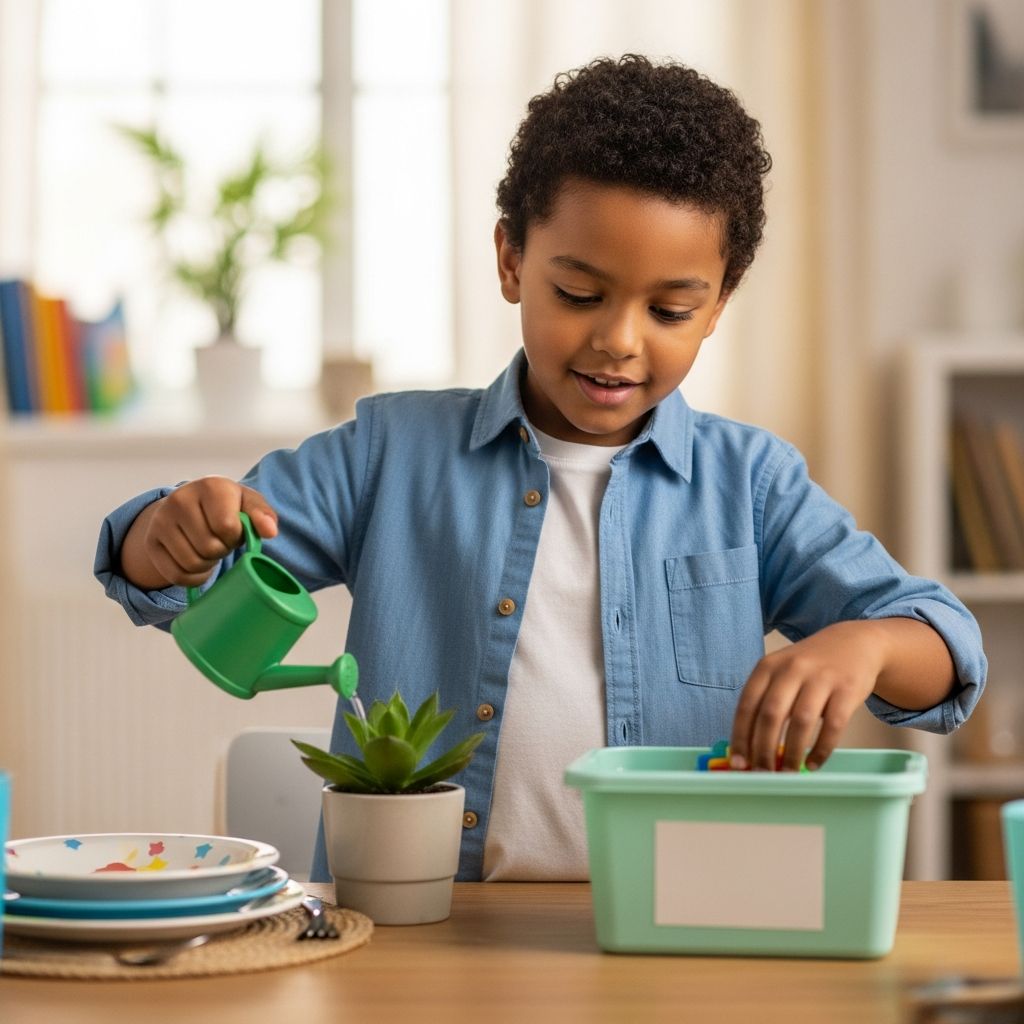
Instilling a sense of responsibility in children is foundational to their development into capable, self-reliant adults. Parents play a pivotal role by introducing gradual, age-appropriate expectations that encourage accountability from an early age. This approach not only lightens family workloads but also equips kids with skills like time management, problem-solving, and resilience.
Why Responsibility Matters for Child Development
Responsibility fosters independence and confidence, helping children understand the impact of their actions on themselves and others. Research from child development experts highlights that kids who learn accountability early are better at decision-making and handling real-world challenges. For instance, routines around chores teach cause-and-effect thinking, where completing tasks leads to positive outcomes like family harmony or personal rewards.
Without guidance, children may struggle with procrastination or entitlement, but consistent parental involvement builds habits that last a lifetime. Programs like those from Boys & Girls Clubs emphasize empowering kids through active home roles, leading to improved self-esteem and social skills.
Starting Young: Foundations in Early Childhood
Begin teaching responsibility as soon as toddlers show curiosity. Even before verbal skills develop fully, involve them in simple activities to mimic adult behaviors. Narrate tasks like sorting laundry or wiping surfaces to build familiarity.
For children aged 2-5, focus on basic self-care and cleanup. Encourage them to put away toys after play, fill a pet’s bowl, or wash hands independently with supervision. These steps promote ownership and reduce parental frustration over messes. Making it playful—such as turning cleanup into a game—accelerates learning without resistance.
- Hand a young child a sponge during spills to join the fix, modeling teamwork.
- Praise efforts over perfection to build enthusiasm.
- Repeat tasks daily for habit formation.
Age-Appropriate Tasks for Growing Independence
Tailor responsibilities to developmental stages to ensure success and motivation. School-aged kids (6-10) can handle more complex duties, bridging simple chores to life skills.
| Age Group | Recommended Tasks | Benefits |
|---|---|---|
| 2-5 Years | Put away toys, help set table, basic hygiene | Builds motor skills and routine awareness |
| 6-10 Years | Make bed, fold laundry, yard work, vacuum | Teaches time management and hygiene independence |
| 11+ Years | Prepare simple meals, manage homework schedule, pet care | Develops planning and accountability |
Assign regular, manageable chores based on abilities to instill accountability. Rotate tasks weekly among siblings to promote fairness and variety, using visible charts for tracking. This system helps kids see their contributions to family dynamics.
The Power of Parental Modeling
Children learn most by observing parents. Demonstrate responsible choices explicitly, such as explaining why you avoid littering or honor parking rules. Verbalize the ‘why’ behind tasks: ‘We’re organizing groceries now so we can enjoy meals later’.
Incorporate family rituals like weekly tidying sessions with rewards, ensuring adults participate to set the tone. Keep promises to children—no excuses—to reinforce reliability. Humor lightens the load; joke about chore mishaps to keep engagement high.
Establishing Routines and Structure
Consistent routines provide repeated practice for self-management. Bedtime sequences, morning prep, and weekly planning teach sequencing tasks. Use visual schedules blocking study time, activities, and downtime to manage stress and commitments.
Instead of commands, prompt thinking: ‘What’s next to get ready for school?’ This shifts ownership, helping kids internalize processes. For dawdlers, structured lists build focus over time.
Enforcing Accountability Through Consequences
Accountability requires follow-through. Set clear expectations beforehand, like cleanup after crafts, with natural outcomes for non-compliance—no repeats for days. Make consequences meaningful, such as extra chores or lost privileges, worse than the task itself.
Avoid excuses; hold firm to teach that actions have impacts. Token systems or charts motivate initially, fading as intrinsic drive grows. Co-create consequence lists with kids for buy-in.
Guided Reflection and Decision-Making
Post-task discussions build insight. Ask: ‘What worked? What would you change?’ This encourages problem-solving and better choices via real-world understanding. Age-appropriate decisions, like choosing outfits within limits, enhance confidence.
Support without rescuing; let minor failures teach resilience. Over time, this cultivates proactive thinkers.
Overcoming Common Challenges
Resistance is normal—persist with positivity. If a child forgets chores, remind calmly then enforce outcomes. For teens, link tasks to privileges like screen time.
Family meetings clarify roles and trades, reducing arguments. Celebrate milestones to sustain momentum.
Frequently Asked Questions (FAQs)
What if my child refuses chores?
Stay consistent with natural consequences, like no play until done. Model and start small to build buy-in over time.
How many chores should a child have?
2-4 daily/weekly tasks matching age; rotate to prevent burnout.
Should I pay for chores?
Focus on intrinsic rewards first; allowances can tie to extras, not basics.
What’s the best age to start?
Toddlerhood—early involvement yields lasting habits.
How do I make chores fun?
Use timers, music, competitions, or family rewards.
Long-Term Benefits of Responsible Upbringing
Kids raised with these strategies gain independence, better academic performance, and stronger relationships. They internalize that effort yields results, preparing for adulthood. Families bond through shared duties, creating supportive environments.
Expand gradually: from toy pickup to budgeting. Parental patience pays dividends in resilient, ethical adults.
References
- How To Teach a Child Responsibility — Boys & Girls Clubs of America. 2021-11-01. https://www.bgca.org/news-stories/2021/November/how-to-teach-a-child-responsibility/
- 5 Ways to Teach Kids Responsibility & Decision-Making — YouTube (Child Development Video). Accessed 2026. https://www.youtube.com/watch?v=jQEg0POjsZ0
- 15 Tips to Raise a Responsible Child — Peaceful Parent Happy Kids. Accessed 2026. https://www.peacefulparenthappykids.com/read/responsibility
- Tips for Teaching Kids Responsibility — Children’s Hospital Colorado. Accessed 2026. https://www.childrenscolorado.org/just-ask-childrens/articles/teaching-responsibility/
- Teach Your Child Responsibility — 7 Tips to Get Started — Empowering Parents. Accessed 2026. https://www.empoweringparents.com/article/teach-your-child-responsibility-7-tips-to-get-started/