Helping children develop a deep sense of joy goes beyond fleeting pleasures; it involves building lifelong skills rooted in emotional awareness and positive habits. Parents and caregivers play a pivotal role by modeling behaviors and creating environments that prioritize well-being.
Understanding the Foundations of Childhood Joy
Joy in children emerges from a blend of internal mindset and external influences. Research indicates that optimistic outlooks correlate strongly with success in school, health, and relationships, equating nearly to happiness itself. Children who learn to focus on positives early on navigate challenges more effectively, turning potential setbacks into growth opportunities.
Positive self-talk forms a core pillar. Encouraging kids to replace negative thoughts with affirming ones rewires their brains for resilience. For instance, when facing disappointment, guiding them to say, “I can try again,” instead of “I failed,” builds confidence. This practice, started young, fosters a joyful baseline unaffected by material items.
Building Emotional Intelligence for Lasting Happiness
Emotional intelligence (EI) equips children to identify, express, and manage feelings, including joy. Teaching EI involves daily discussions about emotions during “teachable moments,” validating all feelings while highlighting positives. Kids with high EI report greater satisfaction and lower anxiety.
- Label emotions: Use simple charts or stories to name feelings like joy, frustration, or calm.
- Model validation: Share your emotions openly, e.g., “I’m joyful because we played together.”
- Practice regulation: Introduce breathing exercises to shift from upset to content states.
Optimism training amplifies EI. Pre-teens taught to see silver linings avoid surly phases, achieving better outcomes in athletics, academics, and marriages. Activities like reframing “I lost the game” to “I improved my skills” instill this mindset.
The Power of Gratitude Practices
Gratitude shifts focus from lacks to abundances, proven to boost happiness. Daily appreciation routines, such as sharing three thankful items at dinner, enhance mood and relationships. Children practicing this recognize joy in family, friends, and small wins, even amid disappointments.
| Age Group | Gratitude Activity | Benefits |
|---|---|---|
| 3-5 years | Draw pictures of favorites | Builds vocabulary for positives |
| 6-8 years | Thank-you notes to helpers | Fosters empathy and kindness |
| 9-12 years | Journal three daily gratitudes | Increases resilience to stress |
Experts note that just eight minutes daily recalling positives for four weeks yields lasting joy. Combine with group shares in classrooms or homes for communal uplift.
Fostering Strong Relationships and Kindness
Meaningful connections are joy’s bedrock. Children with solid friendships experience safety, belonging, and purpose, buffering peer conflicts. Prioritize playdates, family games, and acts of kindness to strengthen bonds.
Modeling courtesy—holding doors, complimenting others—elevates everyone’s mood. Random kindness acts, like sharing toys, create ripple effects of positivity. Positive psychology emphasizes relationships as joy’s key ingredient, providing support in tough times.
- Encourage turn-taking in games to build cooperation.
- Host family nights focused on laughter and stories.
- Teach giving back through simple volunteering.
Instilling Healthy Habits and Self-Discipline
Habits shape joy. Form them via stimulus removal (hide distractions), public goals for accountability, one-at-a-time focus, and persistence despite relapses. Self-discipline, like consistent bedtimes, leads to better emotional control and satisfaction.
Mindfulness and meditation, even simple ones for preschoolers, connect kids to self-worth. Read guided sessions or use apps to nurture optimism across past, present, and future.
Embracing Play, Fun, and Environmental Design
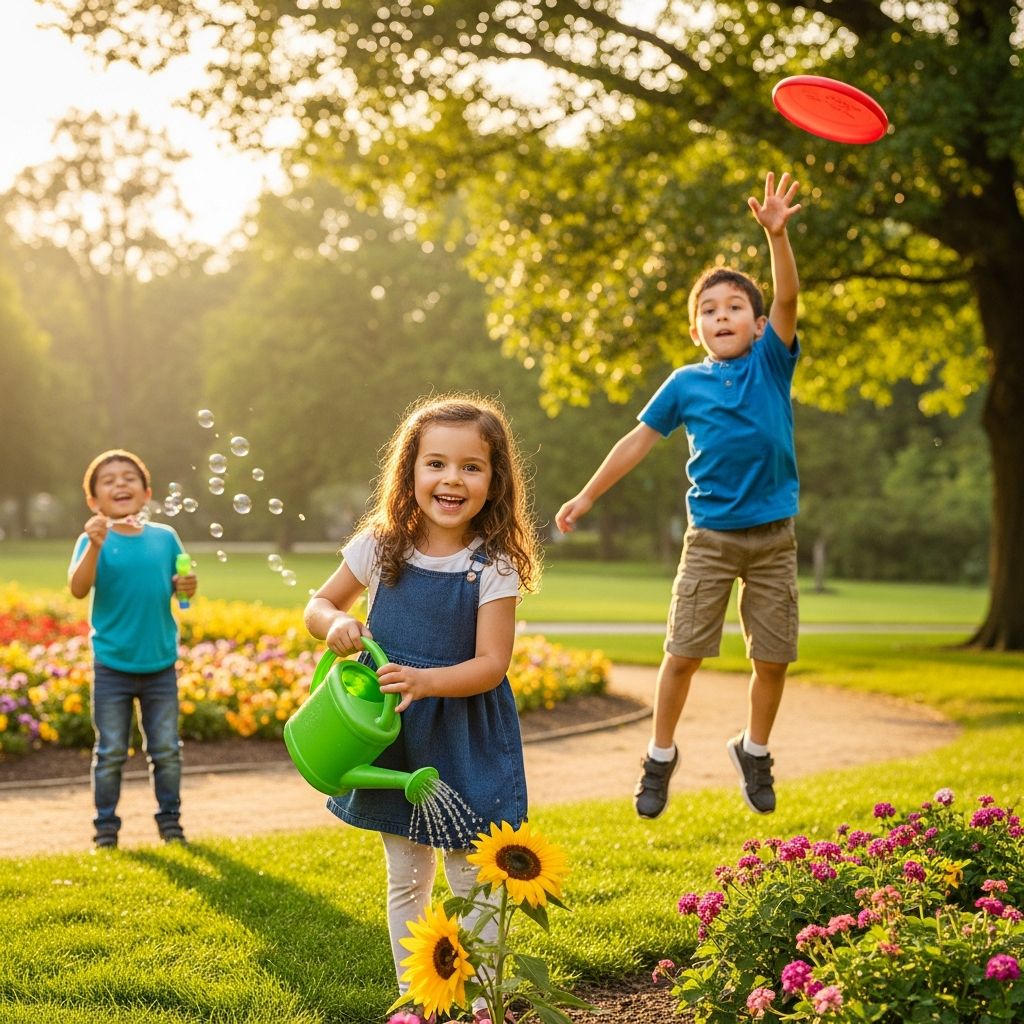
Playtime is joy’s natural habitat. Unstructured play boosts creativity and happiness, as concentrated engagement brings deep fulfillment. Limit screens; prioritize outdoor adventures, laughter, and noticing beauty.
Rig environments for success: organized spaces reduce overwhelm, promoting calm joy. Family dinners amplify this, fostering bonds and habits.
Parental Role: Modeling Joyful Living
Children mirror parents. Get happy yourself first—cultivate your optimism and gratitude to authentically teach. Radiate energy, laugh at mishaps, and prioritize relationships to inspire kids.
Simplify life; avoid over-scheduling. Happiness thrives at pleasure-meaning intersections, dependent on mindset. Give permission for imperfection; effort over perfection builds resilience.
Practical Activities to Spark Joy Daily
- Happy Face Hunt: Hide labeled “happy faces”; kids find others’ first, learning shared joy multiplies personal happiness.
- Beauty Spotting: Daily walks pointing joyful sights like flowers or smiles.
- Goal Setting: Break big dreams into small, achievable steps with cheers for progress.
- Mindful Moments: Pause for group breathing, reflecting on warm feelings.
- Kindness Chains: Track daily good deeds, linking them visually.
Frequently Asked Questions (FAQs)
What age should I start teaching joy skills?
Begin as early as 3 years with simple talks and games; skills compound over time for all ages.
Can happiness be taught if a child is naturally pessimistic?
Yes, consistent optimism practices rewire mindsets, leading to healthier, more successful lives.
How much playtime is ideal daily?
Aim for at least 60 minutes unstructured play to foster concentration and innate joy.
Does gratitude really work scientifically?
Yes, studies show it increases positive emotions and resilience, even with disappointments.
What if my family routine is too busy for these practices?
Integrate micro-habits like dinner shares or bedtime gratitudes; small consistencies yield big results.
References
- How to Raise Happy Kids: 10 Steps Backed by Science — TIME. 2014-03-18. https://time.com/collections/guide-to-happiness/35496/how-to-raise-happy-kids-10-steps-backed-by-science/
- Teach Kids How to Find Happiness and Joy — The Sensory Path. N/A. https://thesensorypath.com/teach-kids-how-to-find-happiness-and-joy/
- 8 Ways to Help Children Cultivate Happiness — American Montessori Society. 2024-08-06. https://amshq.org/blog/community-feature/2024-08-06-8-ways-to-help-children-cultivate-happiness/
- 7 Habits to Help Children Be Happy and the Power of Positive Psychology — Better Kids Education. N/A. https://betterkids.education/blog/7-habits-to-help-children-be-happy-and-the-power-of-positive-psychology
- Teaching Kids about Happiness — Moshi Kids. N/A. https://www.moshikids.com/articles/teaching-kids-about-happiness/
- What is Happiness? A Fun Lesson for Kids — Andrea Knight Teacher Author. N/A. https://andreaknightteacherauthor.com/what-is-happiness-a-fun-lesson-for-kids/