Establishing Strong Nutritional Foundations During Childhood
The eating patterns children develop during their formative years significantly influence their long-term health outcomes and relationship with food. Teaching children about nutrition goes beyond simply telling them which foods are healthy—it involves creating an engaging environment where food education becomes a natural part of daily life. When parents take an active role in helping their children understand nutrition, they equip them with knowledge and skills that support physical development, mental clarity, and overall wellness throughout their lives.
The foundation of effective nutrition education begins with recognizing that children learn through multiple channels: observation, participation, conversation, and experience. When parents model healthy eating behaviors, involve children in food preparation, and maintain open discussions about nutrition, children internalize these lessons more effectively than through passive instruction alone.
Understanding Your Child’s Nutritional Requirements
Before teaching children about nutrition, parents must understand the specific dietary needs appropriate for each developmental stage. Nutritional requirements vary considerably based on age, gender, activity level, and growth patterns. Younger children typically need fewer calories and smaller portion sizes, while older children and adolescents require progressively more nutrients to support their growth spurts and increased physical activity.
The fundamental nutrients children need include:
- Protein for muscle development and tissue repair—obtained from lean meats, fish, eggs, beans, nuts, and dairy products
- Whole grains for sustained energy and fiber—including whole-wheat bread, oatmeal, brown rice, and quinoa
- Fruits and vegetables rich in vitamins, minerals, and antioxidants—with emphasis on variety and color
- Dairy products for calcium and bone development—choosing lower-fat options for children over two years old
- Healthy fats from sources like avocados, nuts, seeds, and olive oil for brain development and nutrient absorption
Understanding these requirements helps parents make informed decisions about meal planning and recognize when their child’s diet may need adjustment or when professional guidance from a pediatrician or dietitian would be beneficial.
Making Nutrition Education Engaging and Interactive
Traditional lectures about food groups rarely capture children’s attention or result in sustained behavior change. Instead, nutrition education becomes most effective when it incorporates hands-on activities, creative elements, and opportunities for children to discover concepts rather than simply absorb information.
Engaging strategies include:
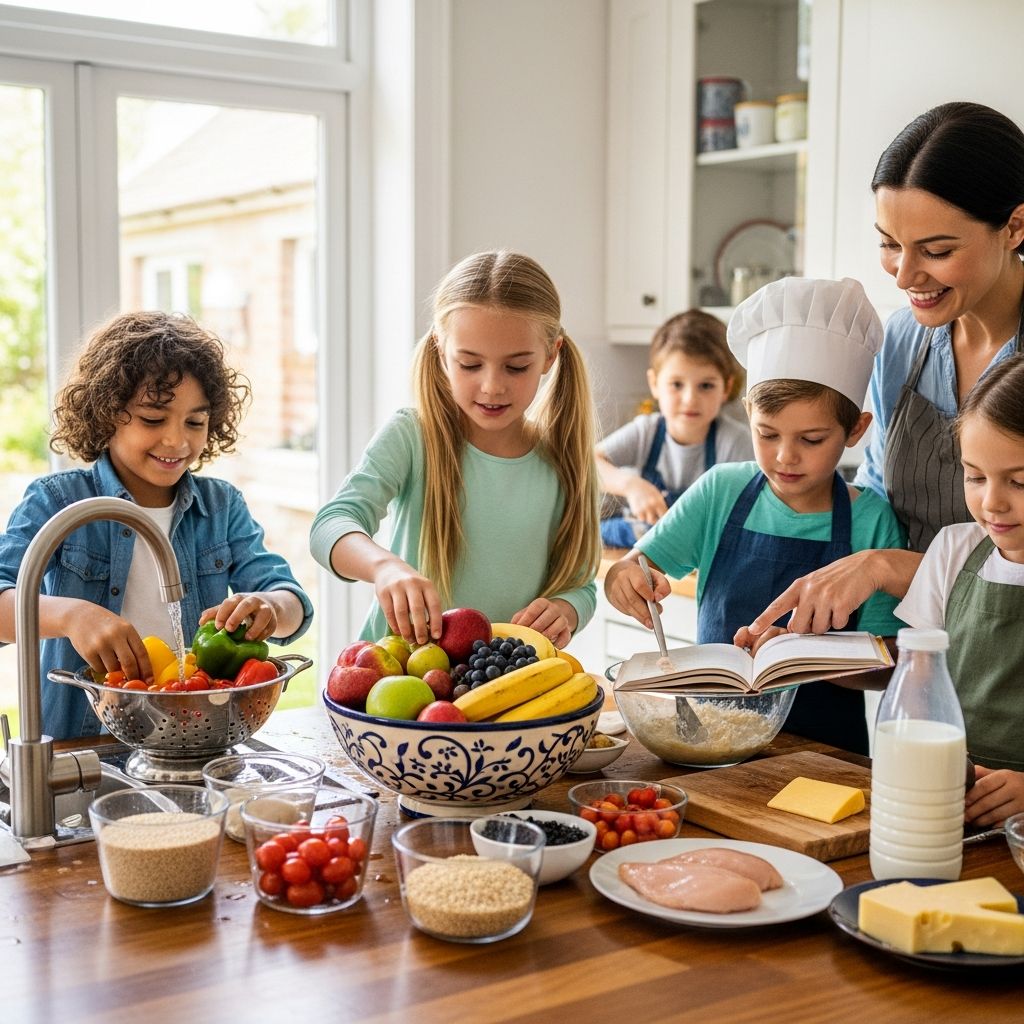
- Cooking and meal preparation together—children who participate in food preparation develop greater appreciation for ingredients and are more likely to try new foods
- School and home gardening projects—growing vegetables helps children understand where food originates and builds excitement about trying homegrown produce
- Math-based learning—measuring ingredients for recipes naturally teaches fractions and measurements
- Cultural food exploration—learning about traditional foods from different cultures expands children’s palates and teaches them about nutrition across diverse communities
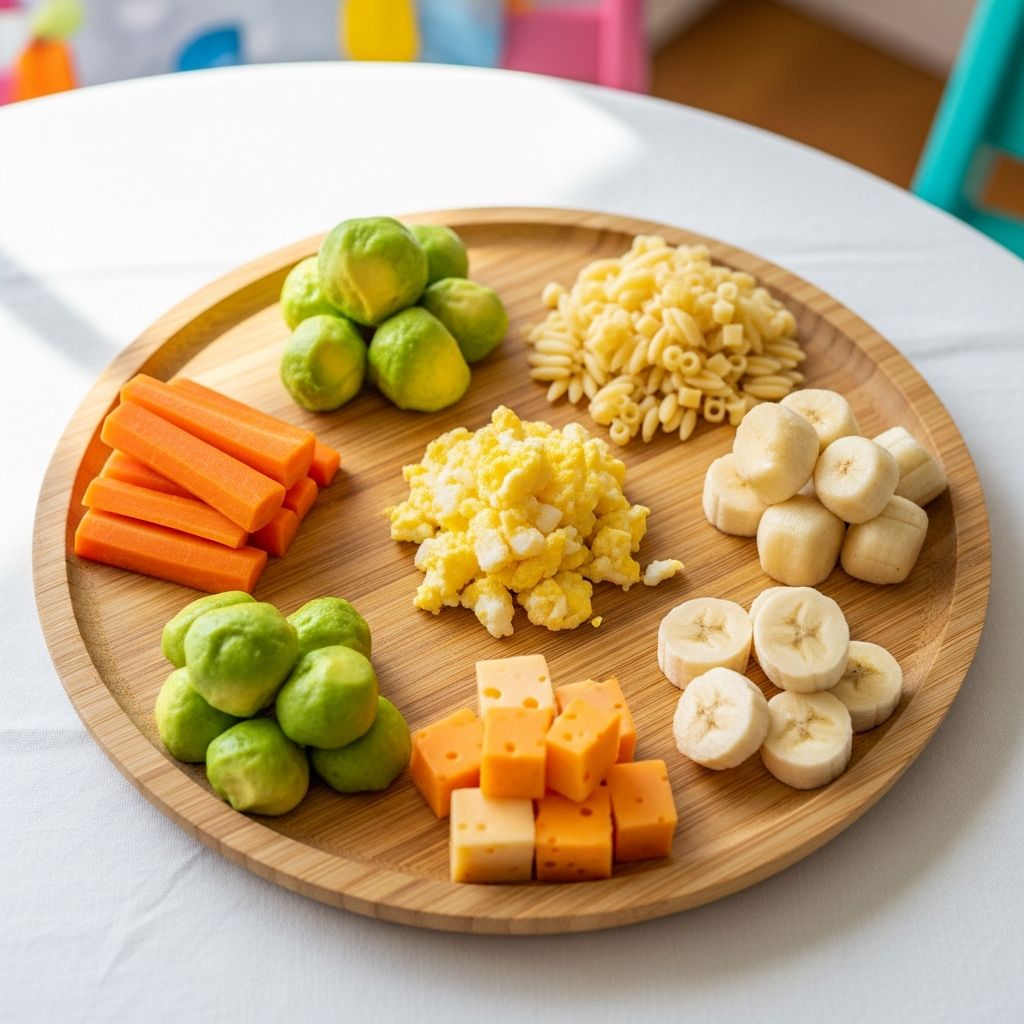
- Creating interesting presentations—cutting fruits and vegetables into appealing shapes or arranging foods into colorful patterns makes healthy eating visually exciting
These interactive approaches transform nutrition education from abstract concepts into concrete experiences that children remember and internalize. When children participate actively in their food education, they develop ownership over their choices and greater motivation to maintain healthy habits.
Building Family Mealtime Routines That Support Learning
The family dinner table serves as one of the most powerful settings for nutrition education. Regular family meals, conducted without screens or distractions, provide natural opportunities for children to observe healthy eating, ask questions, and develop positive associations with food and family connection.
Effective family mealtimes include:
- Serving a variety of foods that expose children to different flavors and textures
- Allowing children to serve themselves appropriate portions, which builds self-awareness about hunger and fullness cues
- Maintaining a relaxed, non-pressuring atmosphere where children feel comfortable exploring new foods
- Discussing where foods come from and how different nutrients support various body functions
- Modeling enthusiastic consumption of vegetables and healthy foods that you want children to embrace
Research demonstrates that children who eat regular family meals demonstrate improved nutritional intake, healthier body weights, and better overall wellbeing compared to children without this consistent routine.
Introducing Visual Guides and Food-Based Learning Tools
Visual representations of nutritional concepts help children, particularly younger learners, understand abstract ideas about balanced eating. Tools like the MyPlate icon and similar visual guides provide concrete frameworks that show children proportions and variety in an easy-to-understand format.
These visual tools demonstrate:
- How different food groups should be represented in meals and snacks
- Appropriate portion sizes for different ages and activity levels
- The importance of variety within each food group
- How to build balanced plates across different meals
When children see these visual guides repeatedly and in different contexts—school presentations, home meal planning, cooking activities—the concepts become reinforced and easier to apply when making food choices. Interactive online games and educational websites also present nutrition information in formats that appeal to digitally-native children.
Addressing Common Barriers to Healthy Eating Education
Parents often encounter obstacles when attempting to teach children about nutrition. Understanding these challenges and developing practical solutions helps maintain momentum in food education efforts.
Picky eating and food reluctance: Children may resist unfamiliar foods or prefer limited options. Rather than forcing consumption, parents can regularly expose children to diverse foods without pressure, involve them in selection and preparation, and model adventurous eating themselves. Multiple exposures to new foods—sometimes requiring 10-15 tastings—gradually increase acceptance.
Competing messages about food: Children receive nutrition information from schools, peers, media, and extended family that may conflict with parental guidance. Parents should maintain consistent messaging about nutritional priorities while remaining flexible enough to allow occasional treats and special occasions.
Limited time and resources: Busy schedules and budget constraints can make comprehensive nutrition education feel overwhelming. Schools can integrate nutrition content across multiple subjects, and families can implement simple strategies like keeping bowls of fresh fruit available or involving children in quick meal preparation tasks.
Individual dietary needs: Some children have food allergies, intolerances, or other dietary restrictions requiring specialized education. Professional guidance from dietitians ensures these children understand their individual needs while still accessing comprehensive nutrition knowledge.
Leveraging School and Community Resources
While parents play the primary role in nutrition education, schools and community organizations offer valuable complementary support. Farm-to-school programs, for example, have demonstrated significant effectiveness in improving children’s nutrition knowledge and willingness to consume fruits and vegetables.
School-based nutrition education can incorporate:
- Dedicated health and nutrition classes covering food groups, nutrition basics, and healthy lifestyle choices
- Cross-curricular approaches integrating nutrition concepts into math, science, language arts, and social studies
- Farm visits and hands-on agricultural learning experiences that connect food to its origins
- School garden projects where students grow and harvest vegetables for school meals
- Cooking and food preparation classes teaching practical culinary skills
Community resources including local farmers markets, community gardens, nutrition workshops, and cooking classes offer families additional opportunities to deepen their nutrition knowledge and skills outside the home environment.
Encouraging Physical Activity Alongside Nutrition Education
Comprehensive health education integrates physical activity with nutrition concepts, helping children understand that both elements work together to support overall wellness. Teaching children that movement and exercise complement healthy eating establishes holistic health awareness rather than focusing narrowly on food alone.
Conversations about nutrition can naturally connect to activity discussions, such as explaining how nutrients fuel physical performance or how regular exercise supports healthy growth and development. When children understand these connections, they develop more complete health literacy that influences lifetime wellness patterns.
Creating a Positive, Non-Restrictive Food Environment
Perhaps the most important aspect of nutrition education involves helping children develop a healthy, balanced relationship with food that neither demonizes any food categories nor removes the joy from eating. Children who experience food restriction or pressure often develop disordered eating patterns or intense cravings for restricted foods.
A balanced approach includes:
- Presenting nutritious foods as regular parts of daily eating, not as punishment or obligation
- Allowing occasional treats and special occasion foods without guilt
- Avoiding food-based rewards or punishments that create unhealthy psychological associations
- Teaching children to recognize and respect their own hunger and fullness cues
- Emphasizing how different foods make them feel energized and healthy rather than focusing on weight or appearance
This positive framework helps children internalize healthy eating as something that feels good and supports their wellbeing rather than something imposed externally.
Frequently Asked Questions About Teaching Children Nutrition
Q: At what age should parents begin teaching children about nutrition?
A: Nutrition education can begin as early as toddlerhood through observation and participation in food-related activities. Children can start helping with simple food tasks, learning food names, and observing family eating patterns from ages 18-24 months. More formal nutrition concepts can be introduced starting around age 4-5 when children have developed better language and reasoning skills, though all ages benefit from continued learning and family modeling.
Q: How can parents handle situations when children reject healthy foods?
A: Food rejection is developmentally normal and does not mean a child will dislike that food permanently. Parents should continue offering rejected foods without pressure, involve children in preparation to increase comfort, expose children to peers eating the food, and model enthusiastic consumption. Most children require multiple exposures—sometimes 10-15 times—before accepting new foods. Maintaining a relaxed, pressure-free environment around eating is more effective than coercion.
Q: What role should screens and digital media play in nutrition education?
A: Interactive educational websites and games can supplement nutrition education effectively when used intentionally. However, screen time during meals should be eliminated, as it interferes with children’s ability to recognize fullness cues and enjoy family connection. Educational media about nutrition should be combined with hands-on activities and real-world experiences for optimal learning.
Q: How do parents balance teaching about nutrition without promoting disordered eating or food anxiety?
A: Focus education on how foods help bodies function, feel energized, and stay healthy rather than emphasizing weight, calories, or food restriction. Avoid labeling foods as “good” or “bad,” instead teaching about “everyday foods” and “sometimes foods.” Allow children autonomy in food choices within the boundaries set by parents. If a child shows signs of food anxiety or restrictive eating, professional guidance from a pediatrician or registered dietitian is recommended.
Q: What should parents do if their child has multiple food allergies or dietary restrictions?
A: Children with allergies or restrictions benefit from professional support from a registered dietitian who can ensure their diet meets all nutritional needs while accommodating limitations. Parents should teach children about their specific needs in age-appropriate ways and help them navigate social eating situations confidently. These children can still participate fully in nutrition education adapted to their circumstances.
Q: How can parents extend nutrition education beyond the home?
A: Parents can advocate for farm-to-school programs, school gardens, and nutrition education in their children’s schools. They can participate in community resources including farmers markets, community gardens, cooking classes, and nutrition workshops. Involving children in shopping and meal planning, discussing the origins of foods, and supporting school-based nutrition initiatives all extend education into the broader community.
References
- Nutrition for Kids: Guidelines for a Healthy Diet — Mayo Clinic. 2024. https://www.mayoclinic.org/healthy-lifestyle/childrens-health/in-depth/nutrition-for-kids/art-20049335
- Healthy Eating for Children — Healthdirect Australia. 2024. https://www.healthdirect.gov.au/healthy-eating-for-children
- Nutrition Education — CDC School Nutrition. 2024. https://www.cdc.gov/school-nutrition/education/index.html
- Serving Up MyPlate: A Yummy Curriculum — U.S. Department of Agriculture Food and Nutrition Service. 2024. https://www.fns.usda.gov/tn/serving-myplate-yummy-curriculum
- Kid’s Healthy Eating Plate — The Nutrition Source, Harvard School of Public Health. 2024. https://nutritionsource.hsph.harvard.edu/kids-healthy-eating-plate/
- Kids’ Corner — Nutrition.gov. 2024. https://www.nutrition.gov/topics/nutrition-life-stage/children/kids-corner