Pride Month, observed each June, honors the LGBTQ+ community through vibrant celebrations of identity, love, and equality. Parents play a crucial role in helping children understand this period by framing discussions around kindness, fairness, and respect for differences.
Understanding the Roots of Pride Month
The origins of Pride Month trace back to pivotal moments in history that highlight the fight for rights. In 1969, the Stonewall Rebellion at the Stonewall Inn in New York City marked a turning point when patrons resisted police raids on LGBTQ+ spaces, sparking multi-day protests that fueled the modern movement for liberation. This event led to the first Pride marches the following year, which evolved into global celebrations affirming the worth and visibility of LGBTQ+ individuals.
Today, Pride Month commemorates these struggles while promoting ongoing advocacy for equal rights. It serves as a reminder that progress came from community resilience against discrimination, making it an ideal time for families to explore themes of justice and inclusion.
Why Conversations About Pride Matter for Families
Children encounter rainbow flags, parades, and discussions about diversity in schools, media, and neighborhoods, often sparking curiosity. Starting these talks at home ensures kids receive accurate, compassionate information from trusted sources rather than misconceptions.
Early exposure builds empathy and counters biases they might absorb elsewhere. Experts emphasize that discussing fairness resonates deeply with children, turning abstract history into relatable lessons on standing up for what’s right. This foundation supports healthier social interactions and prepares kids to be allies in diverse environments.
Tailoring Explanations by Age Group
Adapt your approach to your child’s developmental stage for maximum impact. Younger kids thrive on simplicity, while older ones can handle more context.
For Toddlers and Preschoolers (Ages 2-5)
Focus on core ideas like love and being yourself. Phrases like “Pride celebrates all kinds of families and love—it’s okay to love whoever makes you happy” keep it positive and concrete. Use everyday examples: “Just like you love your friends or family, everyone deserves that joy.”
- Point out rainbow flags during drives: “Those colors mean celebrating differences!”
- Read picture books about diverse families to normalize variety.
- Emphasize kindness: “We cheer for everyone feeling safe and happy.”
For Elementary Schoolers (Ages 6-10)
Introduce history lightly alongside fairness. Explain: “Long ago, some people weren’t allowed to love freely, so they stood up bravely—like at Stonewall—and now we celebrate their wins.” Connect to their world: “If someone was mean because you’re left-handed, that’s unfair; Pride fights that kind of meanness.”
- Discuss the rainbow flag’s meaning: Each color represents aspects of community pride.
- Share stories of change-makers without graphic details.
- Encourage questions: “What do you think about treating everyone nicely?”
For Tweens and Early Teens (Ages 11+)
Dive deeper into activism and current issues. Cover Stonewall’s role in sparking laws for equality and ongoing challenges like discrimination. Use videos or books for visual learning, prompting reflection: “How can we support friends who feel different?”
- Explore terms like LGBTQ+ age-appropriately: Lesbian, gay, bisexual, transgender, queer/questioning.
- Talk real-world impacts: Marriage equality resulted from these efforts.
- Discuss allyship: Being a safe, supportive friend.
Practical Tools and Resources for Parents
Enhance discussions with engaging aids. Children’s books like “The Story of Harvey Milk and the Rainbow Flag” by Rob Sanders introduce icons and symbols through storytelling. YouTube channels such as Pop’n’Olly and Twinkl offer short, animated explanations of Pride’s history and meaning, perfect for family viewing.
Create family activities:
- Rainbow crafts: Make flags while chatting about what colors represent.
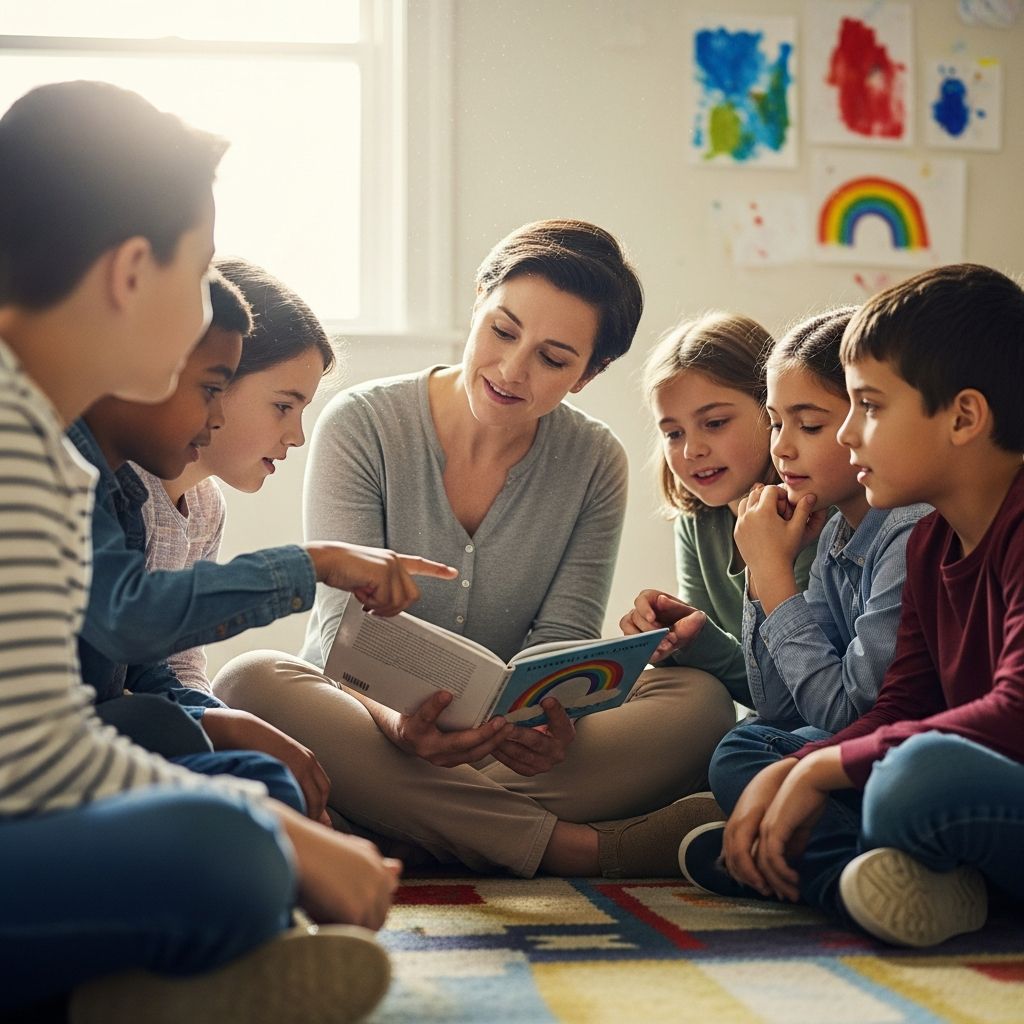
- Storytime circles: Read about diverse heroes and discuss feelings.
- Parade watching: Attend or view virtually, focusing on joy and unity.
| Age Group | Recommended Book/Video | Key Takeaway |
|---|---|---|
| 2-5 | Pop’n’Olly Pride Video | Love is for everyone |
| 6-10 | Harvey Milk Story | Fairness through bravery |
| 11+ | Twinkl Educational Video | Activism builds change |
Addressing Common Parental Concerns
Some parents worry about broaching sensitive topics too early or aligning with personal beliefs. Start small—honesty builds trust without overwhelming. If faith or values differ, frame it as teaching respect: “We believe in loving our neighbors, no matter what.”
Monitor for questions indicating peer influence, using them as teachable moments. Consistency reinforces that differences strengthen communities, much like varied puzzle pieces fit together.
Fostering Long-Term Allyship in Children
Beyond June, weave inclusion into daily life. Model behaviors like challenging jokes or supporting diverse friends. Discuss news stories on equality to connect Pride to broader justice.
Benefits include reduced bullying and stronger emotional intelligence. Kids who understand diversity report higher confidence in friendships and advocacy.
Frequently Asked Questions (FAQs)
What if my child asks why Pride exists?
Explain simply: “It started because not everyone was treated fairly for who they love, so brave people fought for change, and now we celebrate equality.”
Is it okay to attend Pride events with young kids?
Yes, choose family-friendly ones focusing on positivity. Prepare by discussing crowds and rainbows beforehand.
How do I handle if my child hears negative views?
Counter with facts: “Some people disagree, but kindness and fairness are what matter. Love is love.”
What age is too young for these talks?
No age is too young—use their curiosity as a guide. Toddlers grasp basic acceptance.
Can books really help explain complex ideas?
Absolutely; visual stories make abstract concepts relatable and memorable.
Building Inclusive Family Traditions
Make Pride Month an annual ritual with crafts, baking rainbow treats, or writing thank-you notes to activists. These habits embed values of empathy year-round. Track growth by revisiting talks each June, noting how understanding evolves.
In diverse societies, such preparation equips children for real-world interactions. Surveys show inclusive education correlates with tolerant attitudes into adulthood, underscoring parenting’s ripple effect.
References
- How To Introduce Kids To Pride — Scary Mommy. 2023. https://www.scarymommy.com/parenting/how-to-introduce-kids-to-pride
- How To Talk To Your Child About Pride Month — BKK Kids. 2023. https://www.bkkkids.com/blog/how-to-talk-to-your-child-about-pride-month/
- 6 tips for talking about Pride month and LGBTQ+ rights with kids — Care.com. 2023. https://www.care.com/c/talking-pride-lgbtq-with-kids/
- Pride Explained for Kids | Pop’n’Olly — YouTube (Pop’n’Olly). 2023. https://www.youtube.com/watch?v=UDJIbkSW08U
- What is Pride Month? | Pride & LGBTQ+ Explained for Kids — YouTube (Twinkl Educational Publishing). 2023-04-28. https://www.youtube.com/watch?v=oA7yke3k254
- Gay Pride — Britannica Kids. 2023. https://kids.britannica.com/students/article/Gay-Pride/634628