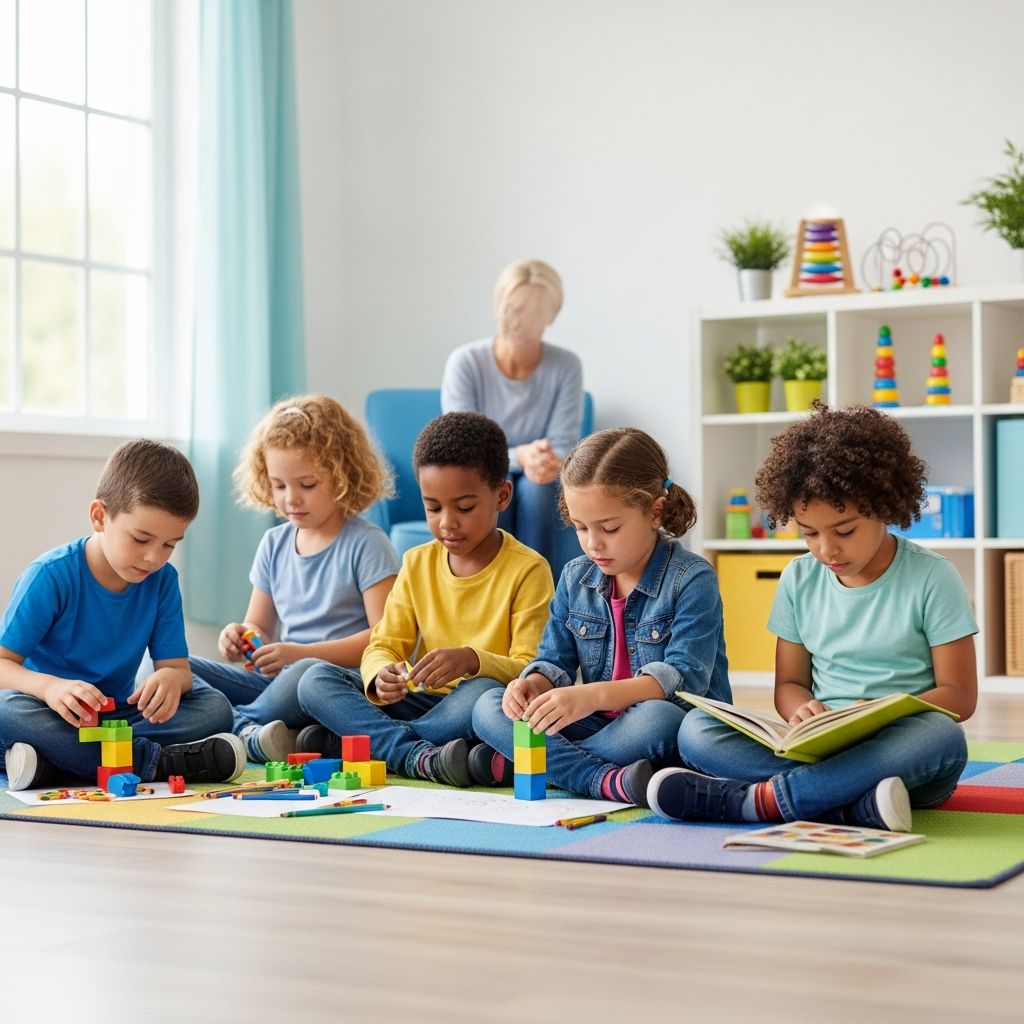
Discussing gender with children requires sensitivity, openness, and adaptation to their developmental stage. Parents play a crucial role in creating environments where kids feel safe exploring their identities, backed by expert guidance from child development specialists.
Understanding Gender Basics for Families
Gender identity refers to a person’s internal sense of being male, female, neither, or another gender. It differs from biological sex assigned at birth and can evolve as children grow. Early conversations normalize diversity and reduce stigma, helping kids navigate societal expectations confidently.
Research from pediatric organizations emphasizes starting these talks early, as children begin recognizing gender labels around age two. Providing diverse toys and role-play opportunities allows natural exploration without rigid stereotypes.
- Offer varied playthings like dolls, vehicles, and building sets to encourage broad expression.
- Observe play without judgment to gauge comfort levels.
- Model inclusive language, such as ‘people of all genders can enjoy this.’
Preparing Yourself as a Parent
Before engaging your child, reflect on your own views. Consider questions like: What does gender mean to me? Have I imposed expectations unknowingly? This self-awareness prevents bias and models healthy introspection.
Canadian Paediatric Society recommends affirming love regardless of identity, fostering resilience. If discomfort arises, seek resources from trusted child health groups to build confidence.
| Self-Reflection Prompts | Why It Matters |
|---|---|
| How do I react to non-traditional gender play? | Identifies unconscious biases affecting support. |
| What family stories shaped my gender views? | Reveals inherited assumptions to challenge. |
| Am I ready to adapt names or pronouns? | Prepares for affirming changes if needed. |
Age-Specific Conversation Strategies
Toddlers and Preschoolers (Ages 2-5)
Young children experiment through play, often switching roles fluidly. Respond to declarations like ‘I’m a princess knight!’ with curiosity: ‘What adventures will you have?’ This validates feelings without correction.
Teach body positivity inclusively: ‘Bodies come in many forms; most boys have penises, most girls have vulvas, but everyone is unique.’ This introduces intersex variations factually, representing about 1.7% of births.
- Use books showing diverse genders in everyday roles.
- Sing songs naming all body parts equally.
- Praise efforts over appearance to sidestep stereotypes.
School-Age Children (Ages 6-9)
Kids this age categorize peers and absorb media messages. Counter biases by discussing shows together: ‘Why do you think the characters act that way? Real life has more options.’ Media literacy disrupts rigid norms.
Address sexism directly: ‘Historically, jobs were limited by gender, but now anyone can pursue passions.’ Relate to examples like firefighters adapting tests for different strengths.
On forms asking for gender, collaborate: ‘Boy, girl, or other?’ This signals openness.
Preteens and Teens (Ages 10+)
Youth test boundaries and may question identities. Listen actively to statements like ‘Football isn’t just for boys’ by asking, ‘What makes you say that?’ or ‘How might that feel to others?’.
Support exploration with resources; affirm, ‘I’m here as you figure this out.’ Emphasize unconditional love: ‘You’ll always be loved, no matter who you are’.
Practical Tools for Open Dialogues
Adopt the SECURE framework for supportive talks.
- Start safe: Choose a judgment-free space.
- Establish goals: Aim for connection, not interrogation.
- Create partnership: Learn together.
- Use questions: ‘Tell me more about how you feel.’
- Recognize courage: Thank them for sharing.
- Empathize: Express acceptance repeatedly.
Incorporate books and media portraying gender diversity. Ask questions to draw out thoughts: ‘Does this character feel right in their body?’.
Navigating Challenges and Media Influences
Societal pressures and online content can confuse kids. Guide media consumption by co-viewing and debriefing: ‘Stories reflect creators’ views, not rules.’ This builds critical thinking.
If a child requests pronoun changes, practice together. Errors happen; apologize and correct kindly. Consistency shows commitment.
| Common Scenarios | Supportive Responses |
|---|---|
| Child prefers opposite-gender clothes | ‘That looks great on you! How does it feel?’ |
| Peer pressure about ‘boy/girl’ activities | ‘Friends have ideas, but you choose what fits.’ |
| Questions about body changes | ‘Puberty varies; talk anytime you’re unsure.’ |
Building Long-Term Family Support
Consistent actions reinforce words. Use gender-neutral language daily, celebrate all achievements equally, and connect with affirming communities. Professional input from therapists aids complex cases.
Remind kids: Gender exploration is normal; your role is steady love. This promotes mental health, reducing risks associated with unsupportive environments.
Frequently Asked Questions
What if my child says they’re non-binary?
Affirm immediately: ‘Thank you for trusting me. Let’s learn together.’ Research terms and adjust as needed, consulting pediatric guidelines.
How do I handle school forms or events?
Involve your child: ‘What option feels right?’ Advocate for inclusive policies if required.
Is it okay to set boundaries on exploration?
Balance safety with autonomy. Discuss risks openly while prioritizing acceptance.
What books recommend for gender talks?
Choose titles showing varied identities, like those endorsed by child health societies.
When to seek professional help?
If distress persists or impacts daily life, contact family therapists specializing in youth identity.
References
- How to Talk to Kids About Gender Identity — Kids Mental Health Foundation. 2023. https://www.kidsmentalhealthfoundation.org/mental-health-resources/lgbtq/how-to-talk-to-kids-about-gender-identity
- An age-by-age guide to talking to your kids about gender — Today’s Parent. 2023. https://www.todaysparent.com/family/parenting/how-to-talk-to-kids-about-gender-age-by-age-guide/
- Gender identity – Caring for kids — Canadian Paediatric Society. 2024-01-16. https://caringforkids.cps.ca/handouts/behavior-and-development/gender-identity
- How do you support your child’s gender exploration? | Unravelled — YouTube (Family Therapist Karen). 2023. https://www.youtube.com/watch?v=AnYEwMbm3sw