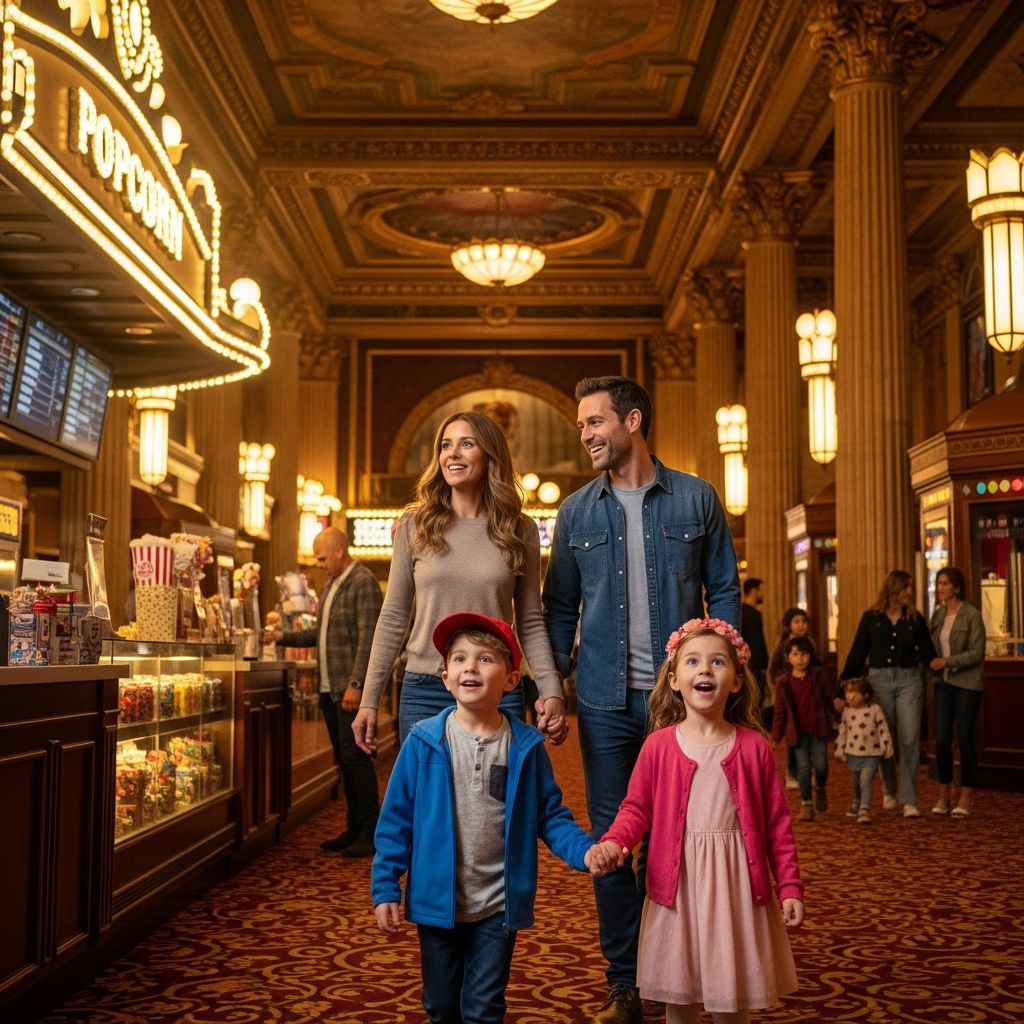
Introducing young children to the magic of the big screen can be a thrilling milestone in family life. The dim lights, booming sound, and larger-than-life visuals create an environment unlike any at home. Yet, for parents, this excursion often brings a mix of excitement and apprehension. Will the little ones sit still? Can they handle the sensory barrage? With thoughtful planning, what could be chaotic turns into cherished memories. This guide draws from proven parental wisdom to help you navigate this rite of passage smoothly.
Choosing the Perfect Film for Little Viewers
Selecting the right movie sets the foundation for success. Opt for animated features with vibrant colors, familiar characters, and engaging songs that captivate short attention spans. Films kids already know from home streaming reduce surprises and build comfort. For instance, re-watching a beloved tale allows them to anticipate plot twists, easing anxiety over unfamiliar elements.
Check ratings and reviews for age-appropriateness. Avoid intense action or scary scenes that might overwhelm sensitive ears or eyes. Daytime family screenings, often featuring second-run or kid classics, provide a gentler introduction. These showings typically attract similar crowds, fostering a forgiving atmosphere where occasional chatter isn’t frowned upon.
Mastering the Timing of Your Arrival
Timing your entrance can make or break the experience. Arriving precisely when previews end minimizes idle waiting, which tests even the most patient toddler. This strategy sidesteps the extra 20-30 minutes of trailers that demand stillness before the main feature begins.
Conversely, early birds benefit if their child needs time to acclimate. Use those moments to explore the lobby, claim seats, and let curiosity settle. Weigh your child’s personality: high-energy wigglers thrive on late entry, while shy ones prefer gradual immersion. Weekday matinees shine here—lower crowds mean more flexibility and discounted tickets.
Strategic Seating for Comfort and Control
Seat selection influences everything from visibility to escape routes. Prioritize aisle seats near the back for quick exits during wiggles or bathroom runs. Back rows eliminate concerns about disturbing those behind you, offering space for lap-sitting during loud moments.
Reclining chairs in modern theaters enhance coziness; pair with a soft blanket for security during intense scenes. This setup proved invaluable for one family whose young child snuggled through scary parts unscathed. If booking online, secure these spots early. For groups, the buddy system shines: an extra adult manages divides if breaks are needed.
| Seating Option | Pros | Cons |
|---|---|---|
| Aisle Back Row | Easy access, no disturbances behind, lap space | Slightly off-center view |
| Center Mid-Row | Best screen view | Harder exits, potential to annoy others |
| Front Row | Immersive visuals | Neck strain, louder sound |
Snack Strategies to Keep the Peace
Snacks are non-negotiable allies in maintaining focus. Theater popcorn delights, but overpriced add-ons tempt impulse buys. Counter this by pre-portioning treats: divide a large tub into individual containers like empty trays or bags. This prevents squabbles and paces consumption.
Quiet, non-messy options rule: think cereal necklaces for novelty snacking, cheese slices, crackers, or fruit pouches. Homemade edibles sidestep choking risks in the dark and save money. Set ground rules upfront—no extras beyond the plan—to curb lobby envy. These bites also buffer initial sensory overload, easing kids into the show.
- Cereal Necklaces: Thread loops with gummies for patterned, countable fun; perfect for early-movie munching.
- Portable Pouches: Yogurt or applesauce squeezes minimize crumbs.
- Partitioned Popcorn: Refill small servings from a shared bucket.
Preparation Rituals Before Showtime
Pre-trip routines prime kids for success. Empty bladders right before entering—bathroom lines grow post-arrival. Feed them a light meal beforehand to avoid hunger pangs mid-film. Schedule around naps: a rested child is a receptive one.
Build anticipation with home simulations. Dim lights, play movie soundtracks, or watch trailers together. Discuss expectations: sitting quietly, no running, option to leave if needed. A small craft like a ticket stub holder adds excitement. For sensory-sensitive kids, warn about volume and darkness upfront.
Navigating Sensory Surprises and Challenges
Movie theaters assault the senses: thunderous audio, flashing lights, and echoing halls. Toddlers may startle at crescendos or misjudge level floors in the dark, leading to funny moon-walk stumbles. Blankets double as comfort shields, muffling scares and warming chilly seats.
Plan for breaks. Step into the lobby for wiggles or cries; a short walk resets without derailing the group. Child-friendly theaters offer dimmed lights and lowered volumes during special showings—call ahead to confirm. If meltdowns hit, stay calm; removal beats disruption.
Managing Expectations for Realistic Wins
Enter with flexibility. Not finishing the film isn’t failure—30 minutes of joy counts. Empower kids by affirming exit options, which oddly encourages staying. Celebrate efforts: praise focus spans, no matter the length.
Repeat visits build tolerance. First-timers evolve into pros. Track progress: from lap-hugging to independent viewing. Patience pays; soon, cinema becomes routine fun.
Enhancing the Experience with Special Touches
Elevate beyond basics. Pack a favorite stuffy for companionship. Post-movie, debrief favorites over ice cream—reinforces positives. Capture candids pre-show for albums. For multiples, assign roles: one holds snacks, another the blanket.
Explore perks like sensory screenings from chains like AMC or Regal, designed for families. These maintain lights up and sound down, per theater policies.
Frequently Asked Questions
What age is best for a child’s first movie?
Around 3-6 years works well, when attention holds and excitement peaks. Younger tots may thrive in ultra-kid-friendly setups.
Can I bring my own food?
Policies vary; many allow sealed snacks. Confirm with management to avoid issues.
What if my child gets scared?
Lap time with a blanket, lobby breaks, or pre-familiarity with the film help. Exit gracefully if needed.
Are matinees worth it?
Absolutely—cheaper, emptier, and relaxed vibes suit families perfectly.
How to handle multiple kids?
Buddy up with another adult; aisle seats facilitate tag-team breaks.
References
- Child Development and Screen Time Guidelines — American Academy of Pediatrics. 2024-10-15. https://www.aap.org/en/patient-care/media-and-children/
- Sensory Processing in Young Children — Centers for Disease Control and Prevention (CDC). 2025-03-22. https://www.cdc.gov/ncbddd/childdevelopment/positiveparenting/preschoolers.html
- Family Entertainment Safety Tips — National Safety Council. 2024-07-10. https://www.nsc.org/community-safety/resources/family-entertainment-safety
- Pediatric Guidelines on Media Exposure — World Health Organization (WHO). 2023-11-05. https://www.who.int/news-room/fact-sheets/detail/adolescent-mental-health
- Theater Accessibility for Families — Regal Cinemas Official Policy. 2025-01-20. https://www.regmovies.com/accessibility