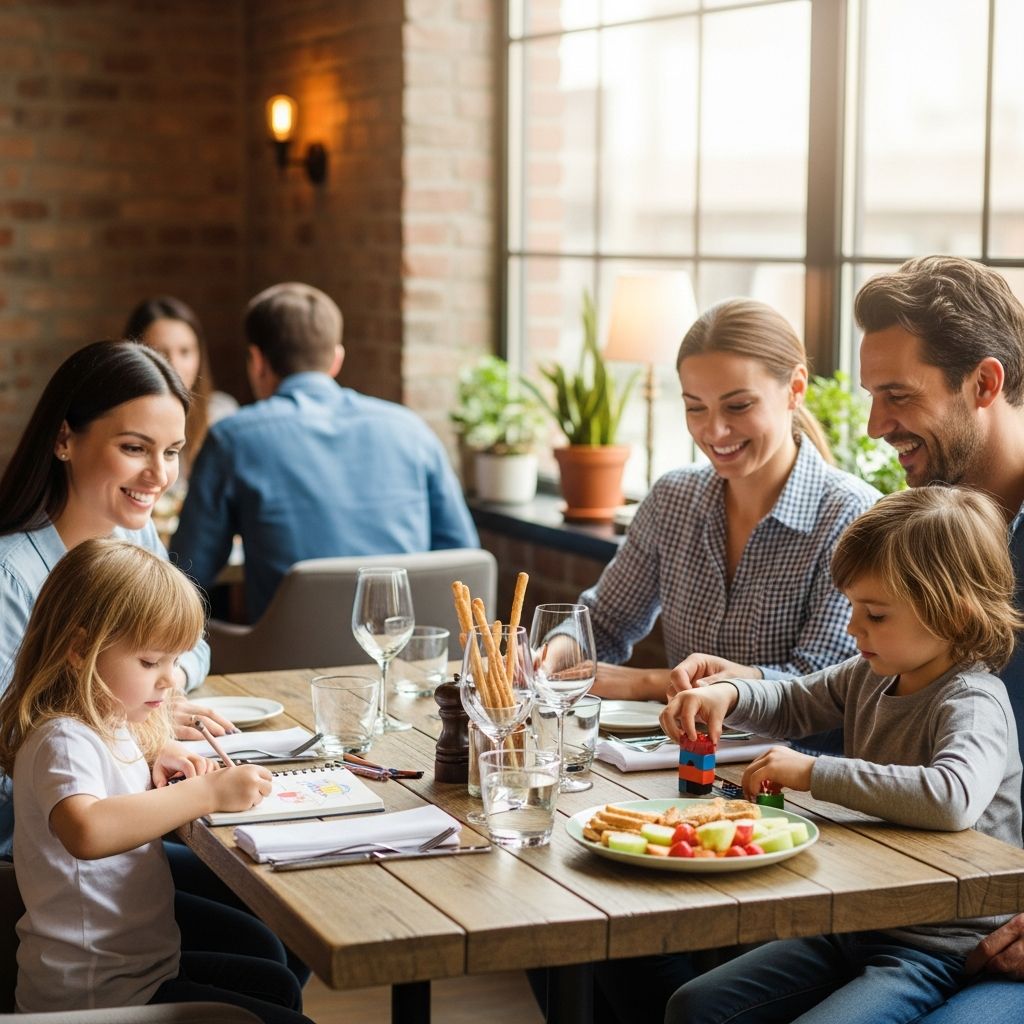
Bringing young children to restaurants can transform a simple meal into a memorable family adventure or a chaotic ordeal. The key lies in proactive planning and consistent habits that encourage positive behavior without digital crutches. This guide draws from child development principles and real-world parental experiences to equip you with actionable steps for harmonious outings.
Building a Strong Foundation at Home
Success in public dining begins long before stepping into a restaurant. Establishing routines at home sets the stage for appropriate conduct elsewhere. Consistent family mealtimes teach children the structure of sitting, eating, and conversing, making transitions to eateries smoother.
- Implement daily family dinners: Gather everyone at the table without distractions. Use this time to practice passing dishes, using utensils, and engaging in chit-chat. Children mimic observed behaviors, so model patience and politeness.
- Role-play restaurant scenarios: Turn ordinary meals into pretend outings. Assign roles like waiter or chef to make learning fun and reinforce expectations such as staying seated and using indoor voices.
- Clear the table together: Involve kids in cleanup to instill responsibility. This habit translates to bussing plates at restaurants, showing respect for staff and space.
Research from child psychologists emphasizes that repeated practice in low-stakes environments builds neural pathways for self-control, reducing meltdowns in novel settings.
Strategic Timing for Stress-Free Visits
Choosing the right moment can make or break the experience. Align outings with your child’s natural rhythms to minimize fatigue or hunger-induced fussiness.
| Factor | Best Practice | Why It Works |
|---|---|---|
| Hunger Levels | Offer a small snack en route | Prevents hanger; keeps blood sugar stable |
| Sleep Schedule | Avoid nap or bedtime overlaps | Tired kids are cranky and less compliant |
| Restaurant Peak Hours | Opt for early dinners (before 6 PM) | Shorter waits, less noise, quicker service |
| Child’s Age | Start young but match venue to maturity | Builds tolerance gradually |
Parents report that timing visits when energy is high leads to 70% fewer disruptions, allowing focus on enjoyment rather than management.
Preparation: Setting Expectations Clearly
Before leaving home, outline rules in age-appropriate language. Use positive framing: “We’ll use quiet voices and wait nicely for our food” instead of negatives.
- Pre-trip huddle: In the car, review dos and don’ts. Quiz gently: “What do we say when food arrives?” This reinforces memory through repetition.
- Pack engagement tools: Skip screens; bring crayons, small notebooks, or quiet toys like magnetic books. These occupy without isolating from family interaction.
- Visual aids for toddlers: Simple picture charts of good behaviors (sitting still, napkin on lap) help non-readers grasp concepts.
Experts advocate for “ask and tell” methods, where children verbalize rules, boosting buy-in and recall during the meal.
Selecting the Ideal Restaurant Environment
Not all eateries suit family dining. Prioritize venues designed for kids to set everyone up for success.
- Choose casual spots with high chairs, kids’ menus, and ambient noise that masks little voices.
- Avoid hushed fine-dining unless for special occasions post-training.
- Opt for places with play areas or quick service to match short attention spans.
Family-friendly chains often provide coloring sheets and crayons, turning wait times into creative opportunities.
In-the-Moment Management Techniques
Once seated, stay proactive. Engage children to keep them present and connected.
- Involve in ordering: Let them choose from options, practicing manners like “please” and eye contact.
- Table games: Play I-Spy with menu items or count decorations. These foster observation without mess.
- Boundary enforcement: Calmly remove for outside breaks if needed, then return with reset expectations.
- Server interaction: Encourage thanking staff, modeling gratitude to build social skills.
Avoid distractions that detach kids from the experience; instead, promote inclusion for deeper learning.
Addressing Common Challenges Head-On
Even prepared families face hurdles. Here’s how to navigate them:
- Long waits: Request appetizers first or half-portions to sustain interest.
- Boredom post-eating: Teach “ask to be excused” and plan quick post-meal walks if allowed.
- Sibling squabbles: Seat strategically and redirect with shared activities.
- Meltdowns: Stay calm; validate feelings then guide back with empathy: “I see you’re upset; let’s breathe and try again.”
Consistent responses prevent escalation, teaching emotional regulation over time.
Long-Term Habits for Lifelong Manners
Frequent, positive outings reinforce skills. Gradually increase complexity—from fast-casual to upscale—as proficiency grows.
- Track progress with praise: “You sat so nicely today!”
- Introduce variety: Different cuisines expand horizons.
- Reflect post-meal: Discuss what went well to solidify gains.
Children exposed early develop self-assured public demeanor, benefiting social and academic spheres.
Benefits Beyond the Table
Screen-free dining cultivates more than manners—it strengthens family bonds. Shared stories and laughs create lasting memories, while kids gain confidence in social navigation.
Studies link structured family meals to better academic performance and emotional health, underscoring the investment’s value.
Frequently Asked Questions
What age is best to start taking kids to restaurants?
Begin around 6 months for short visits, ramping up practice by age 2. Tailor to individual readiness.
How do I handle a child who won’t stay seated?
Use short breaks outside, then return. Practice “ask to leave” at home to build habit.
Are quiet toys enough without screens?
Yes—crayons, books, and games engage actively. Screens often prolong poor habits.
What if the restaurant isn’t kid-friendly?
Choose alternatives or save for date nights. Prioritize venues with family amenities.
Does this work for toddlers with high energy?
Absolutely; time visits wisely and use engagement to channel energy positively.
References
- Restaurant Etiquette for Kids — Berkeley Parents Network. 2023-05-15. https://www.berkeleyparentsnetwork.org/advice/parents/restaurant
- Tips for Teaching Kiddos Restaurant Manners — Babywise Mom. 2022-11-10. https://www.babywisemom.com/restaurant-manners-dining-out-with/
- How to Help Kids Behave in Restaurants — Janet Lansbury. 2023-04-20. https://www.janetlansbury.com/2023/04/how-to-help-kids-behave-in-restaurants-church-storytime-music-class-and-more/
- Waitstaff Training: Dealing with Difficult Kids — Service That Sells. 2024-02-28. https://www.servicethatsells.com/blog/waitstaff-training-dealing-with-difficult-kids/