Children’s bones are constantly growing, reshaping, and strengthening, and the habits they develop now can influence their bone health for the rest of their lives. As a parent or caregiver, understanding how bones grow and what they need helps you make daily choices that support a strong and resilient skeleton.
Why Strong Bones Matter in Childhood
Bone may look solid and unchanging, but it is living tissue that grows and remodels itself throughout childhood and adolescence. During these years, kids build most of the bone mass they will rely on as adults, which makes this a critical window for creating lifelong strength.
When children build sturdy bones early on, they are better protected against fractures during active play and sports, and they may reduce their risk of brittle bones and osteoporosis later in life. Supporting bone health is not just about avoiding broken bones today; it is an investment in mobility, independence, and quality of life decades from now.
How Kids’ Bones Grow and Change
From infancy through the teenage years, bones lengthen, thicken, and become denser. Special growth areas near the ends of long bones help children grow taller, while minerals like calcium and phosphorus are packed into the bone framework to make it strong.
Growth does not happen at a steady pace. Children may have periods of rapid growth, especially during puberty, when bones grow quickly and then gradually harden and mineralize. Because bone-building can lag behind height growth, kids need consistent support from good nutrition and movement, not just during growth spurts but throughout childhood.
Core Ingredients of Healthy Bones
Several factors work together to create strong bones in children. No single food or activity can do it alone; instead, it is the combination and consistency of healthy choices that matter most.
- Calcium: Provides the main building block of bone structure.
- Vitamin D: Helps the body absorb and use calcium effectively.
- Protein: Supports the framework of bone and overall growth.
- Physical activity: Signals bones to become stronger and denser.
- Hormones and genetics: Influence how bones develop, but lifestyle still plays a powerful role.
Calcium for Kids: Everyday Food Ideas
Calcium is the mineral most people associate with bone health, and for good reason. Children’s bodies cannot make calcium on their own, so they must get it from food or, if a health professional recommends it, supplements. The body also loses small amounts of calcium every day, making regular intake especially important.
Many children can meet their calcium needs through a varied diet. The key is to include several sources throughout the day rather than relying on one big serving. Below is a sample table of common foods that provide calcium and how they might fit into a child’s routine.
| Food | Serving Idea | How It Helps |
|---|---|---|
| Milk or fortified plant drink | A glass with breakfast or an after-school snack | Offers calcium plus protein for growth |
| Yogurt | Cup of plain or lightly sweetened yogurt with fruit | Provides calcium in a creamy, easy-to-eat form |
| Cheese | Cheese slices in a sandwich or grated on vegetables | Adds flavor and boosts calcium intake |
| Leafy greens | Spinach or kale mixed into pasta, soups, or smoothies | Contributes calcium plus other vitamins and fiber |
| Fortified foods | Calcium-fortified cereal or orange juice | Helps fill in gaps when dairy intake is low |
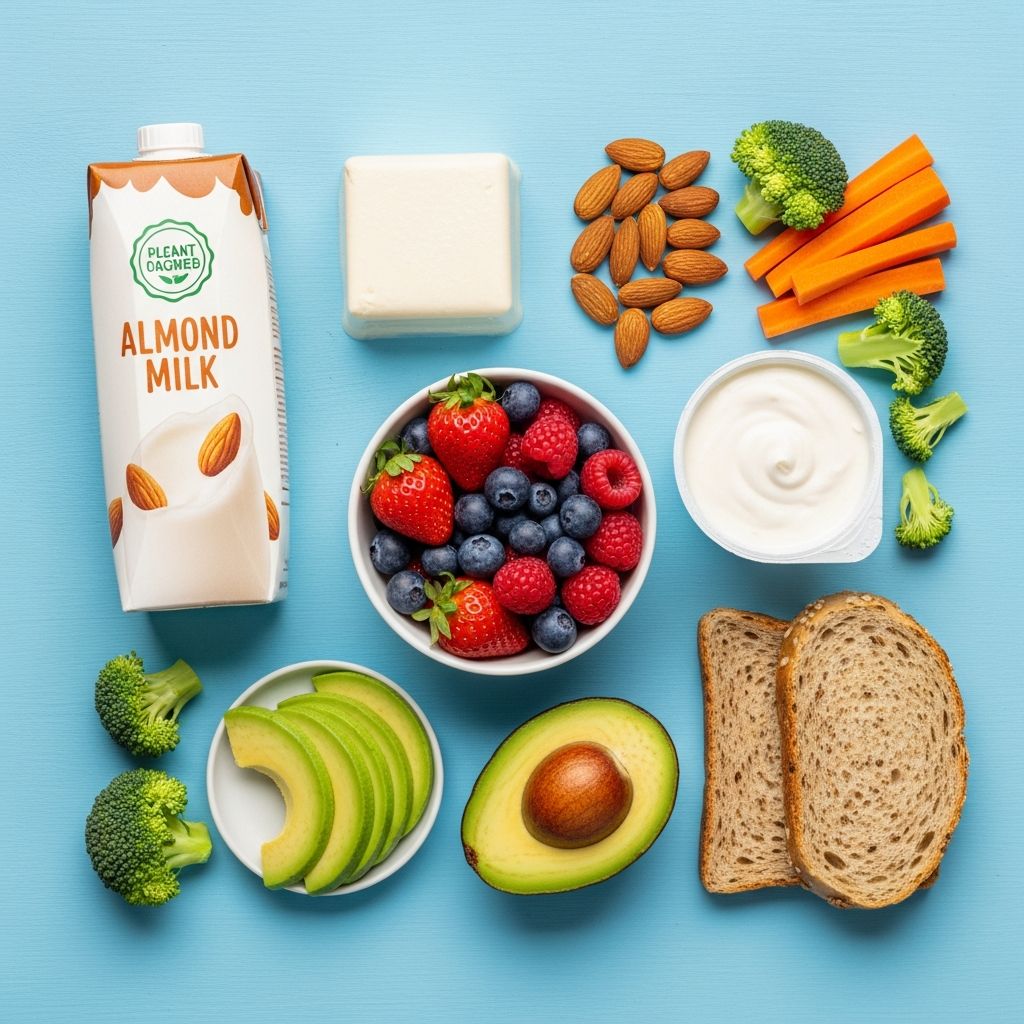
For children who avoid dairy or have allergies or intolerances, fortified plant-based drinks, tofu made with calcium, and certain beans and seeds can help. Reading labels and consulting a pediatrician or dietitian can guide choices that fit your child’s needs.
Vitamin D: The Unsung Bone Helper
Vitamin D works hand in hand with calcium. Without enough vitamin D, the intestine absorbs much less calcium from food, even if the diet is rich in dairy or other calcium sources. Over time, low vitamin D can make bones softer and more prone to problems.
Children typically get vitamin D from a combination of limited sun exposure, foods, and sometimes supplements. Fatty fish, egg yolks, and many fortified milks and cereals contain vitamin D, but these alone may not meet needs, especially in areas with long winters or when kids spend most of their time indoors or covered up.
- Talk with your child’s health care provider about whether a vitamin D supplement is appropriate.
- Encourage outdoor play when the weather allows, while still practicing sun safety.
- Choose foods and drinks that list vitamin D on the nutrition label.
The Role of Protein and Overall Nutrition
While calcium and vitamin D get most of the attention, protein lays much of the scaffolding that minerals attach to in bone. Growing children need enough protein to support muscle, organs, and skeletal structure.
Balanced meals with sources like beans, lentils, eggs, lean meats, fish, dairy, nuts, and seeds help children meet their protein needs. Pairing protein with calcium-rich foods can be especially helpful, such as serving yogurt with nuts, or beans and leafy greens together in a soup or stew.
Movement: How Play Strengthens Bones
Bones respond to the stresses placed on them. When children run, jump, and play, their muscles pull on bones and their feet impact the ground, sending signals that encourage bones to become thicker and stronger. Sedentary habits, by contrast, give bones little reason to build extra strength.
Weight-bearing activities are particularly helpful. These are forms of movement in which the body works against gravity: the child’s own weight, the ground, or objects they lift or move. Encouraging a variety of such activities keeps bone-building both effective and fun.
- Running games, tag, and obstacle courses at the park or in the yard.
- Jumping rope, hopscotch, or playground jumping from low structures.
- Sports like soccer, basketball, tennis, or martial arts.
- Dance, gymnastics, and other activities that involve leaping and balancing.
- Simple strength moves such as climbing, push-ups, or using age-appropriate resistance bands.
Screen Time, Sleep, and Other Lifestyle Factors
It is easy to focus only on food and exercise when thinking about bone health, but daily routines such as screen time and sleep also have an impact. Long hours of sitting often replace active play, limiting the opportunities for bone-strengthening movement.
A consistent sleep schedule matters as well. During sleep, children release growth-related hormones that support bone and tissue development, and adequate rest also helps them feel energized enough to be active during the day.
- Set clear limits on recreational screen time and balance it with active play.
- Encourage regular bedtimes and calming routines that support deep, restorative sleep.
- Model active behaviors as an adult by walking, stretching, or playing outside with your child.
Everyday Strategies for Parents and Caregivers
Supporting bone health does not require complicated programs or expensive equipment. Small, consistent habits woven into ordinary days can make a meaningful difference over time. The aim is to create an environment where healthy choices are easy and enjoyable.
Consider introducing just one or two changes at a time, and involve your child in decision-making so they feel ownership of their health. When kids help plan meals or pick activities, they are more likely to stick with new habits.
- Include at least one calcium-rich food at each main meal.
- Offer water or milk (or a suitable fortified alternative) instead of sugary drinks most of the time.
- Plan family walks, bike rides, or backyard games several times per week.
- Keep a box or basket of simple play items, such as balls, jump ropes, or chalk for hopscotch.
- Use gentle reminders to take screen breaks and move around at regular intervals.