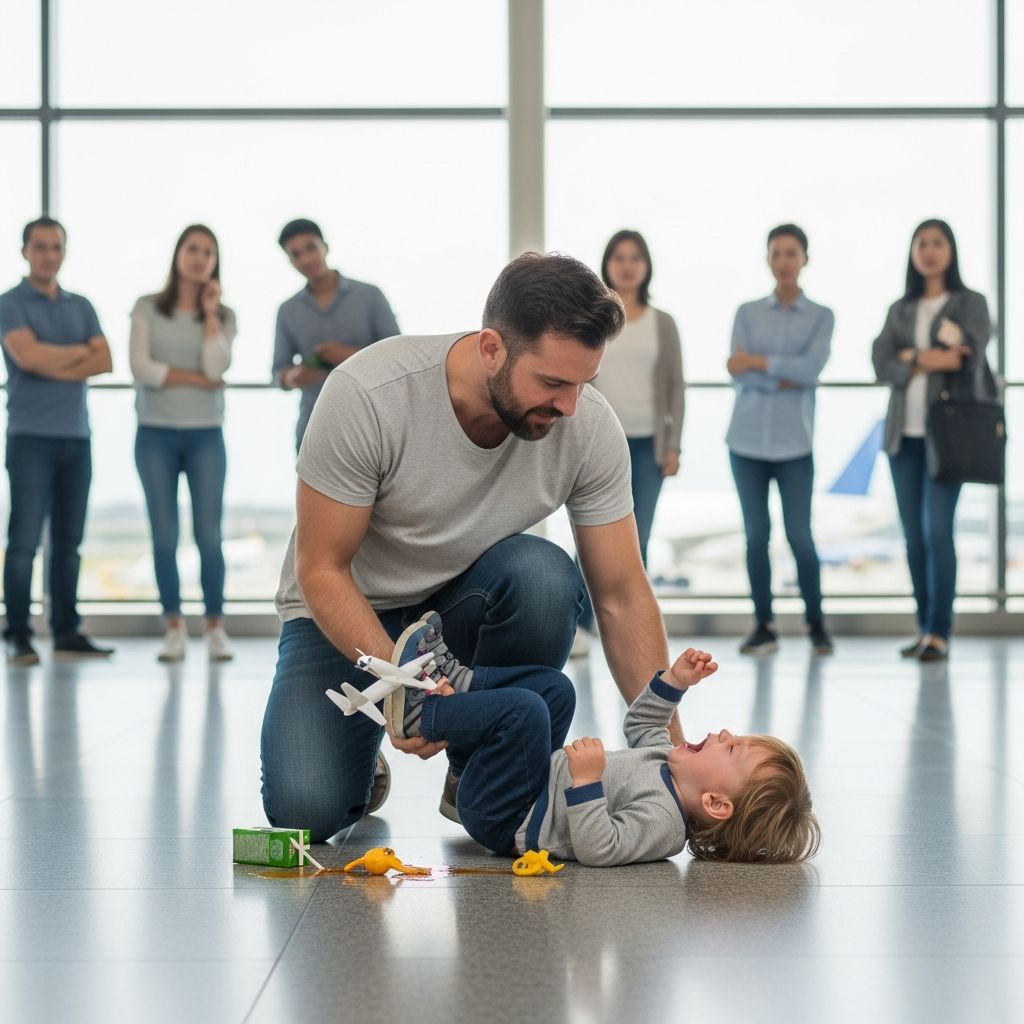
Families with a dad who frequently travels for work face unique dynamics, blending professional demands with home life responsibilities. While separations bring emotional hurdles, they also foster resilience, independence, and deeper appreciation for shared moments. This article draws from real family experiences to offer actionable advice for parents, helping everyone adapt and flourish.
Understanding the Emotional Landscape
Work travel, whether for business, military service, or other commitments, reshapes daily family rhythms. Children may feel dad’s absence keenly, asking repeated questions or showing behavioral shifts. Parents at home often shoulder solo responsibilities, leading to fatigue but also empowerment. Recognizing these feelings as normal is the first step toward effective management.
Emotional honesty sets a strong foundation. Caregivers should address children’s queries directly, explaining dad’s purpose—such as “He’s working to support us and will return on Tuesday.” This builds trust and reduces anxiety, even if tears follow initially. Over time, kids learn to anticipate returns, turning uncertainty into structured expectation.
Building Strong Communication Bridges
Technology transforms separations into opportunities for connection. Scheduled video calls, once daily at a consistent time, prevent disruptions while maintaining bonds. Dads can share glimpses of their day—airplanes, hotel views, or local sights—tailored to kids’ interests like vehicles or landmarks.
- Daily video ritual: Pick a fixed evening slot for face-to-face chats, discussing highlights and bedtime stories.
- Photo updates: Send quick texts with images of travels, such as a stuffed toy “adventuring” at dad’s location, sparking excitement.
- Virtual explorations: Research destinations together pre-trip; show maps, weather, and fun facts to make the journey educational.
Physical mementos add tangibility. Mailing postcards from afar delights children, who cherish receiving mail from their traveling parent. These simple acts reinforce presence despite distance.
Maintaining Household Routines with Flexibility
Consistency anchors family life during travel weeks, easing transitions. Stick to school schedules, meal times, and bedtimes as much as possible. Yet, solo parenting allows personalization—streamlined dinners, fun movie nights with popcorn, or playdates at kid-friendly spots.
| Challenge | Solo Parent Strategy | Benefit |
|---|---|---|
| Meal planning | Prepare leftovers or quick outings like fast-food play areas | Reduces kitchen time, adds variety |
| Evening routines | Movie in bed or special snacks | Creates positive memories, offsets absence |
| Logistics (homework, transport) | Pre-plan schedules with calendars | Minimizes stress, maintains order |
These adjustments highlight perks: fewer opinions on dinner choices, quieter mornings, and space for the at-home parent to lead intuitively. Many report smoother operations sans the extra adult, provided core structures hold.
Dad’s Role: Prepping and Staying Engaged
Preparation amplifies involvement. Before departing, dads can research trip spots with kids, plotting routes on maps or discussing attractions. This pre-bonding turns trips into shared adventures.
Upon return, prioritize reconnection over unpacking. Dedicate undivided time—park outings, game nights, or one-on-one chats—to reaffirm bonds. Families often schedule couple time too, ensuring parental partnership thrives amid demands.
Long-Term Benefits of Travel Lifestyle
Beyond challenges lie growth opportunities. Kids develop independence, learning self-soothing and adaptability. At-home parents hone leadership and efficiency. Traveling dads gain perspective, returning with renewed energy and often small gifts symbolizing thoughtfulness.
Couples adapt by alternating responsibilities when possible, balancing presence. Pride in dad’s achievements—promotions or missions—strengthens family unity. Financial perks from travel roles further support home stability.
Self-Care for the Solo Parent
Sustaining solo duties requires personal recharge. Build in breaks: solo coffee runs, friend meetups, or early bedtimes. Pre-stock easy meals and enlist help from relatives if available. View the role as temporary, focusing on empowerment rather than burden.
- Batch-cook freezer meals weekly.
- Delegate age-appropriate kid chores.
- Journal feelings to process emotions.
Age-Specific Tips for Children
Toddlers and Preschoolers
Young ones crave routine and visuals. Use countdown chains or calendars marking dad’s return. Share photos daily; their shorter memory spans make frequent, light check-ins ideal without overwhelming.
School-Age Kids
They grasp concepts better—discuss job importance and timelines. Involve them in packing or planning, fostering pride. Video chats work well for storytelling and homework shares.
Teens
Respect independence; opt for texts over calls. Discuss real-world skills like budgeting or career paths, turning travel into mentorship moments.
Frequently Asked Questions (FAQs)
What if my child cries every time dad leaves?
Validate emotions, use honest explanations, and introduce fun rituals like a “safe journey” hug. Consistency reduces intensity over time.
How do I handle discipline solo?
Maintain agreed family rules. Defer non-urgent issues for dad’s input via call, but lead confidently to model stability.
Is it okay to enjoy perks of dad being away?
Absolutely—embracing easier routines doesn’t diminish love. It models healthy boundaries and self-awareness.
How often should dad call while away?
One daily video plus casual texts suffice. Over-contacting disrupts home flow; quality trumps quantity.
What about couple intimacy during long trips?
Schedule date nights post-return. Use messages for flirty check-ins, preserving spark.
Reunions: Making Returns Memorable
Homecomings deserve fanfare. Avoid immediate chores; opt for family favorites like pizza nights or outings. Reflect on the separation—what was learned, missed, and enjoyed—to close the loop positively.
In military or high-travel families, this rhythm builds extraordinary resilience. Kids grow empathetic, parents resourceful, turning potential strain into family strength.
References
- When Daddy Travels: A Survival Guide — Fort Worth Moms. 2023-05-15. https://fwmoms.com/relationships/when-daddy-travels-a-survival-guide/
- My Life Is Easier When My Husband Travels — Scary Mommy. 2022-11-10. https://www.scarymommy.com/life-easier-husband-travels
- Solo Parenting :: When Daddy Travels for Work — Nashville Moms. 2024-01-22. https://nashvillemoms.com/daddy-travels-work/
- How to Be a Better Dad When You Travel for Business — Good Dads. 2023-08-05. https://gooddads.com/how-to-be-a-better-dad-when-you-travel-for-business/
- Surviving Life with a Husband Who Travels — Houston Moms. 2023-03-18. https://houstonmom.com/surviving-life-with-a-husband-who-travels/
- My husband is the best dad—even when his work takes him far away — Mother.ly. 2024-02-14. https://www.mother.ly/life/husband-travels-best-dad/