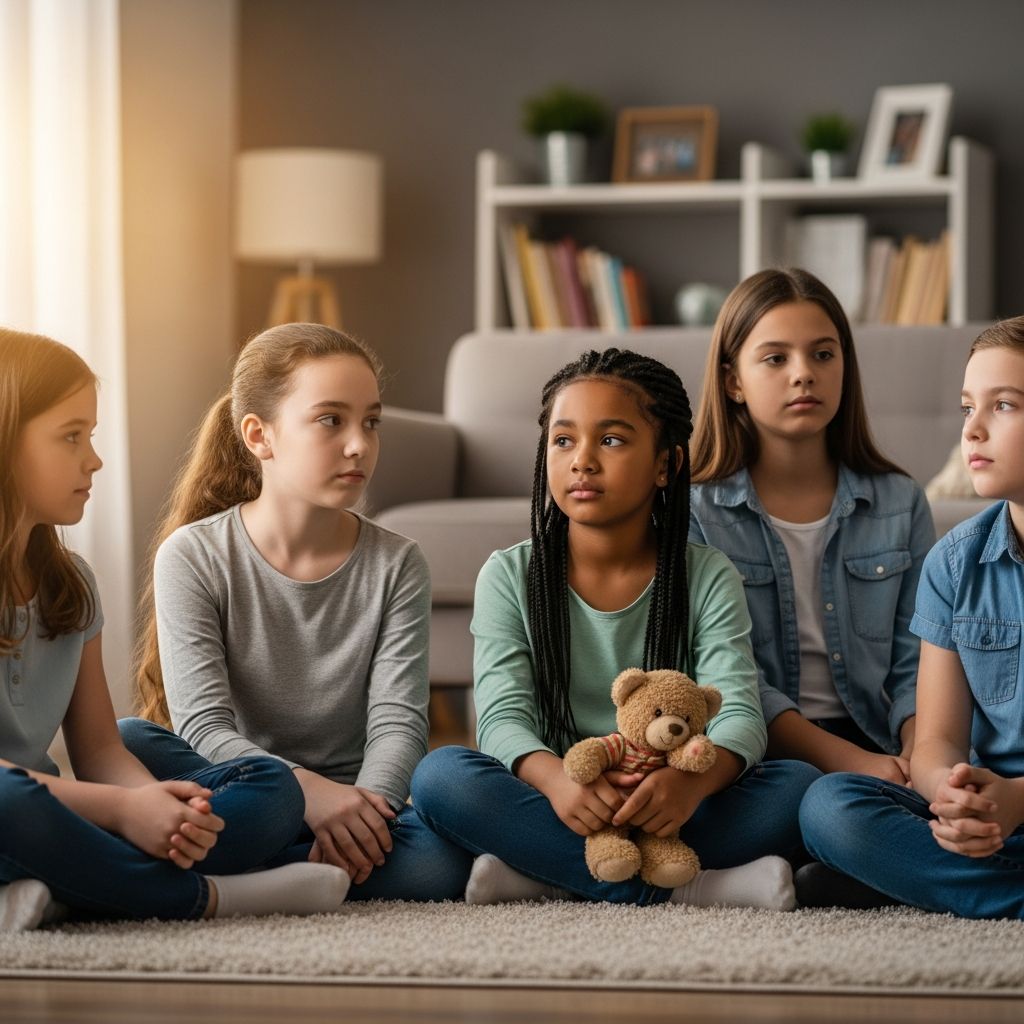
Donor conception offers families pathways to parenthood through assisted reproductive technologies, yet it introduces unique dynamics that require thoughtful navigation. Drawing from personal accounts and research, this article explores guidance directly from donor-conceived individuals, emphasizing how parents can cultivate secure attachments and positive identities. Studies confirm that with open communication, these children often exhibit psychological well-being comparable to or better than naturally conceived peers.
Building Foundations with Truth from the Start
One of the most consistent messages from donor-conceived people is the importance of disclosing origins early in a child’s life. Rather than waiting for a ‘right moment,’ integrate the story naturally into everyday conversations, much like sharing family tales. Research indicates that children in solo mother families with secure attachments to mothers tend to view their donor positively, highlighting how parental security influences perceptions.
Early honesty prevents the shock of later discoveries, which can erode trust. For instance, children who learn gradually feel their story is celebrated, boosting confidence in their identity. Parents should use age-appropriate language, starting with simple concepts like ‘a kind helper provided seeds to help you grow in my tummy.’
- Begin disclosures by toddlerhood with picture books depicting diverse family formations.
- Revisit the narrative at milestones, adapting details as comprehension grows.
- Frame the donor positively, avoiding idealization or negativity to foster neutral curiosity.
Navigating Emotional Landscapes Together
Donor-conceived children often grapple with complex feelings about their origins, including curiosity, gratitude, or occasional grief over absent genetic links. Parents play a pivotal role by validating these emotions without defensiveness. A study in Human Reproduction notes that parental warmth matches natural conception families, with initial bonding concerns fading over time.
Encourage open dialogues where children lead with questions. If a child expresses disconnection, acknowledge it: ‘It’s okay to feel mixed about this; many kids do.’ Secure mother-child attachments correlate with positive donor views, while insecure ones link to negativity. Parents should model emotional resilience, sharing their own journey authentically.
| Common Child Emotions | Parental Response Strategies |
|---|---|
| Curiosity about donor traits | Share available non-identifying info; discuss DNA options respectfully |
| Identity confusion in teens | Validate feelings; connect to support networks |
| Grief over genetics | Normalize coexisting gratitude and loss |
Strengthening Parent-Child Bonds Beyond Biology
Biology isn’t the sole glue of family ties; nurturing, presence, and shared experiences forge unbreakable connections. Longitudinal research shows donor families achieve emotional closeness akin to biological ones. Parents may initially worry about genetic disconnection, especially non-genetic ones, but active involvement dispels this.
Invest in quality time: rituals like bedtime stories or traditions reinforce belonging. Address intra-family dynamics, such as one parent’s genetic link, through equitable engagement. Therapy tailored for donor families can process these nuances, ensuring balanced emotional investment.
Handling External Curiosity and Privacy
Families often face inquiries from relatives, friends, or communities. Donor-conceived kids advise parents to gauge their comfort before sharing. Prepare scripted responses: ‘We’re a family built with help from science, and we’re grateful.’ This protects the child’s agency over their story.
Discuss privacy boundaries early. Some children embrace openness; others prefer discretion. Respect evolving preferences, especially amid DNA testing booms revealing half-siblings or donors unexpectedly.
- Role-play responses to nosy questions.
- Decide jointly on school or social disclosures.
- Monitor online privacy to avoid unintended exposures.
Empowering Identity Exploration
As children mature, particularly in adolescence, identity quests intensify. Provide tools like donor sibling registries or ancestry tests judiciously, with legal awareness varying by region. Most donor-conceived individuals report good psychological health when informed early.
Support connections to genetic relatives thoughtfully, prioritizing emotional readiness. Celebrate the child’s full identity: genetic roots as one thread in a rich tapestry including nurturing parents and heritage.
Parental Self-Care in Unique Journeys
Parents experience their own emotional whirlwinds—joy mingled with grief over lost genetic ties. Prioritize self-care to model health for children. Seek donor-conception-savvy therapists to unpack feelings, join peer groups for normalization, or journal reflections.
Balanced parental well-being directly bolsters child adjustment. Acknowledge paradoxes: gratitude for the child alongside longing for biological conception. Professional support bridges these, fostering family harmony.
Legal and Practical Realities
Understand jurisdiction-specific laws on donor anonymity and offspring rights. In some areas, identity-release options exist; elsewhere, anonymity persists, though technology challenges this. Prepare for potential donor contacts via registries.
Maintain medical histories from donors for health insights. Resources from organizations like the Human Fertilisation and Embryology Authority stress counseling for all involved.
Frequently Asked Questions
When should parents tell their child about donor conception?
From early childhood, using simple, repeated, positive narratives to normalize the story and build trust.
Will my child resent learning about their donor origins?
Not if disclosed early and supportively; research shows secure attachments lead to positive donor perceptions.
How can I help my child connect with donor siblings?
Explore registries cautiously, respecting the child’s pace and legal frameworks.
Is therapy necessary for donor families?
Helpful for processing emotions; seek specialists trained in donor conception.
Do donor-conceived kids have worse mental health?
Most studies indicate comparable or better well-being with openness.
Long-Term Family Thriving
Donor-conceived families thrive through proactive honesty, empathy, and resilience. By honoring children’s voices, parents create legacies of trust and love that transcend genetics. Ongoing research underscores that family processes, not origins, predict outcomes. Embrace the journey with resources, community, and professional guidance for enduring bonds.
References
- Emotional Impact of Donor Conception on Parents — Susan L. Hollander PhD. 2023. https://susanlhollanderphd.com/emotional-impact-of-donor-conception-on-parents/
- Children’s thoughts and feelings about their donor and security of attachment to their solo mother — PMC. 2017-04-05. https://pmc.ncbi.nlm.nih.gov/articles/PMC5400065/
- 10 Things Parents of Donor Conceived People Need to Know — US Donor Conceived Council. 2022-09-06. https://www.usdcc.org/2022/09/06/10-things-parents-of-donor-conceived-people-need-to-know/
- Most donor‐conceived people have good psychological health — BJOG. 2024. https://obgyn.onlinelibrary.wiley.com/doi/10.1111/1471-0528.17908
- Donor conception: “be wholly honest with your donor-conceived children” — HFEA. 2023. https://www.hfea.gov.uk/about-us/our-blog/donor-conception-from-a-mother-and-daughter/donor-conception-be-wholly-honest-with-your-donor-conceived-children/
- Ten Things Parents of Donor Conceived People Need to Know — US Donor Conceived Council. 2022-09-06. https://www.usdcc.org/2022/09/06/10-things-parents-of-donor-conceived-people-need-to-know/