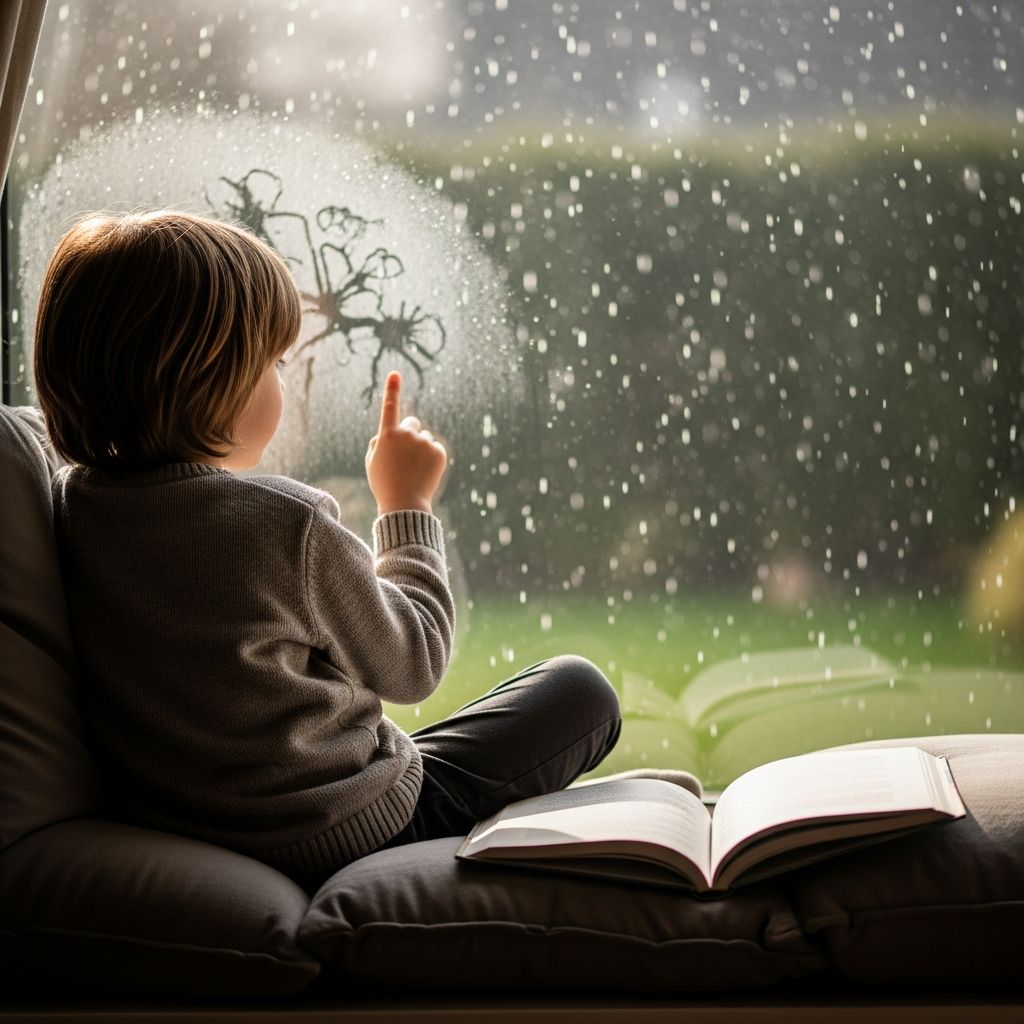
Many children move slowly into new situations, hang back at the edge of a group, or cling to a parent when someone unfamiliar appears. This quiet, cautious style is often labeled “shyness,” and it can worry adults who fear their child will be lonely or left behind. Yet with the right support, shyness can coexist with deep confidence, strong relationships, and emotional resilience.
What Shyness Really Is (And Isn’t)
Shyness is a tendency to feel awkward, tense, or self-conscious when meeting new people or entering unfamiliar social situations. It often shows up as hesitating to speak, preferring to observe before joining in, or staying physically close to a trusted adult. Shy children may want to connect but feel a barrier of nervousness they must slowly work through.
Shyness is different from simply enjoying solitude and also different from a serious anxiety disorder. An introverted child may genuinely prefer calm, one-on-one interactions but still feel relatively at ease; a shy child often experiences discomfort or worry about being judged, watched, or put on the spot. Both traits can overlap, but they are not the same thing.
- A shy child may long to join the game but hang back and watch.
- An introverted child may decide they would rather read or play alone and feel content doing so.
- A child with significant social anxiety may feel intense fear and distress about interacting at all.
Why Some Children Are Shy
Shyness does not appear out of nowhere. It grows from a mix of temperament, experiences, and environment. Some children seem cautious from infancy; they startle more easily, cling more tightly, and need extra time to warm up to new faces. Others develop shy behavior after repeated criticism, teasing, or overwhelming social experiences.
Key influences that can shape a child’s shyness include:
- Inborn temperament: Some children are biologically more sensitive to stimulation and novelty and need time to assess whether a situation feels safe.
- Parenting style: Overprotective or very critical approaches can unintentionally teach a child that the world is unsafe or that mistakes are unacceptable.
- Social learning: Children often copy what they see. A parent who avoids social contact or frequently labels themselves as shy may model that behavior.
- Early experiences: Bullying, rejection, or public embarrassment can make a child more cautious and wary in later situations.
Shyness, Social Anxiety, Or Just Quiet? A Simple Comparison
Not every reserved child needs professional help. Many simply need time, validation, and gentle support. The table below offers a broad, non-diagnostic way to distinguish common patterns parents notice. It is not a substitute for a professional evaluation, but it can help you decide if extra support might be useful.
| Pattern | Typical Behaviors | How the Child Often Feels | Impact on Daily Life |
|---|---|---|---|
| Generally Quiet/Introverted | Enjoys solo play, prefers a few close friends, may tire after busy social events. | Mostly calm; needs downtime but does not feel strong fear around people. | Low impact; functions well in school and activities, just at a lower social volume. |
| Shy but Warming Up | Hangs back at first, avoids eye contact, may cling in new situations, gradually joins when comfortable. | Nervous and self-conscious at first, then more relaxed as familiarity grows. | Moderate impact; may miss some chances at first but usually participates after warming up. |
| Significant Social Anxiety | Strong avoidance of speaking or participating, physical symptoms (stomachache, shaking), may freeze or refuse to attend. | Intense fear of embarrassment or judgment; worries about social situations well in advance. | High impact; school, friendships, and daily routines may be disrupted. |
If your child’s distress is strong, persistent, and significantly interferes with school, friendships, or family life, consider contacting a pediatrician or mental health professional for guidance. Early support can make social situations feel less overwhelming and prevent shame from taking root.
The Hidden Strengths of a Shy Temperament
The culture often celebrates bold, outspoken behavior and overlooks the quiet strengths that frequently accompany shyness. Many shy children are thoughtful observers. They take in detail, notice nuances in others’ moods, and think carefully before they act or speak.
Common strengths that may travel with shyness include:
- Empathy: Shy children often know what it feels like to be uncomfortable and can be especially kind to others who are struggling.
- Observation skills: Because they watch first and join later, they may excel at reading group dynamics and sensing what is needed.
- Depth in relationships: Rather than lots of casual connections, many shy children develop a few very close, loyal friendships.
- Caution and foresight: Their hesitation can sometimes protect them from impulsive choices or unnecessary risks.
When adults focus only on what shyness seems to take away, children can internalize the idea that there is something wrong with them. When parents explicitly recognize the strengths wrapped inside a cautious temperament, children learn that they are not broken; they are simply wired in a particular way.
What Not To Say: Phrases That Undermine Confidence
Words carry weight, especially when they come from parents. Casual remarks that seem harmless can deepen a child’s self-consciousness. Some comments turn shyness into a fixed identity, making it feel permanent and unchangeable.
Try to avoid phrases like:
- “Don’t be shy.” This suggests that the child is doing something wrong by feeling nervous.
- “She’s shy, he’s the outgoing one.” Comparisons can create sibling rivalry and shame.
- “What’s wrong with you? Say hello!” This turns a moment of vulnerability into a moment of criticism.
- Discussing the child’s shyness with other adults while the child is listening, as if the child were invisible.
Instead of labeling the child, describe the situation and support the effort: “New places can feel big at first; you can stay close to me until you feel ready.” This approach normalizes the feeling and communicates confidence that the child can handle it.
How to Support a Shy Child in the Moment
When a shy child hides behind you or refuses to speak to a new person, it is tempting to push. Yet pressure often backfires, increasing anxiety and causing the child to retreat further. The goal is to make social situations feel safe enough for the child to stretch just a little, not to force big leaps.
Helpful strategies in real-time include:
- Lead with connection: Offer a calm tone, eye contact, and gentle physical contact if your child welcomes it, such as a hand squeeze or a side hug.
- Translate without rescuing: If someone speaks to your child, you can say, “He’s feeling quiet right now,” rather than answering entirely on your child’s behalf every time.
- Offer options: Give small choices like, “Would you like to wave, smile, or stay close to me and just listen for now?”
- Respect their pace: Stay nearby as a secure base, and notice even tiny steps, such as making eye contact or moving a little closer to the group.
Building Confidence Over Time: A Step-by-Step Approach
Confidence grows in small, repeated moments when children face something mildly uncomfortable, feel supported, and come out the other side. This is very different from “throwing them in the deep end” and hoping they adapt. A gradual, structured approach works best.
Consider this stepwise method:
- Start with predictable, low-pressure settings. Arrange playdates with one familiar child rather than large, noisy events.
- Preview what to expect. Before an activity, describe the setting, who will be there, and what your child might do. Keep it factual and calm, not dramatic.
- Agree on one small goal. For example, “Today your only job is to stay for 20 minutes and watch. If you feel ready to join in, that’s a bonus.”
- Stay nearby but not fused. Be available and attentive while allowing some space for the child to try on their own.
- Debrief gently afterward. Ask what felt hard, what felt okay, and what your child might want to try next time.
Over many repetitions, what once felt huge becomes ordinary. The aim is not to eliminate all nervousness but to help your child realize they can act even while feeling nervous.
Practical Everyday Habits That Help Shy Kids Thrive
Beyond specific events, everyday routines can either amplify or soften shyness. Small consistent habits inside the family shape how a child sees themselves and the social world. When home feels safe and encouraging, shy children are more willing to explore.
- Practice social skills through play: Role-play greetings, taking turns speaking, or joining a group game with stuffed animals or toys.
- Create regular, low-stakes interaction: Brief chats with a friendly neighbor, ordering at a quiet café, or saying thank you to a cashier can build practice without much pressure.
- Model calm, respectful engagement: Let your child see you introducing yourself, asking simple questions, and handling small awkward moments with humor.
- Protect unstructured downtime: Shy children often need recovery time after social events; honoring this helps prevent overload.
School, Teachers, and the Shy Student
School can be especially daunting for shy children, with its crowded hallways, group discussions, and performance-based tasks. Many shy students know the answer yet feel their mind go blank when called on unexpectedly. Partnering with teachers can make a significant difference.
Consider collaborating with educators in these ways:
- Share insight, not labels: Explain that your child often needs time to warm up and participates more when they feel safe and prepared.
- Ask for gentle participation methods: Options include small-group discussions, written responses, or advance notice before being asked to present.
- Encourage nonverbal roles: At first, your child might hand out papers, operate a projector, or help set up activities to feel involved without being center stage.
When shy children experience school as a place where effort is noticed and pressure is manageable, their willingness to engage naturally expands.
When to Consider Professional Help
Many shy children grow into confident, if still reserved, adults without formal intervention. However, some children experience shyness so intensely that it disrupts key areas of life. Seeking help is not a sign of failure; it is a proactive step to make life more manageable for your child.
It may be time to consult a professional if:
- Your child regularly refuses school, parties, or activities they previously enjoyed because of fear of social interaction.
- They show strong physical signs of anxiety (stomachaches, panic, shaking) before or during social situations.
- They express intense self-criticism, such as calling themselves “stupid,” “weird,” or “a failure” after social events.
- Their shyness has lasted for many months and seems to be getting worse rather than improving.
Child psychologists, counselors, and pediatricians can offer screening, reassurance, and tailored strategies. In some cases, structured therapies that teach coping tools and gradual exposure to feared situations can reduce distress significantly.
Supporting Siblings and Family Dynamics
In families with more than one child, temperament differences stand out. A bold, talkative sibling may unintentionally overshadow a quieter brother or sister. Without meaning to, adults sometimes praise the outgoing child more often, reinforcing the idea that louder is better.
To keep the family atmosphere balanced and supportive:
- Avoid nicknames or roles like “the shy one,” “the entertainer,” or “the tough one.”
- Make special time alone with the quiet child, where they do not have to compete to be heard.
- Encourage siblings to respect different comfort zones and to invite, rather than pressure, the shy child to join games.
- Highlight each child’s strengths in front of the others so every child hears that they matter.
Frequently Asked Questions About Shy Children
Is shyness always a problem that needs to be fixed?
No. Shyness is a normal human variation, not a flaw. It only becomes a concern when the fear and avoidance are so strong that they block healthy development, relationships, or everyday functioning. Many shy children simply need patient support, not a complete personality makeover.
Should I push my shy child to socialize more?
Pushing hard usually increases anxiety. A better approach is to gently invite your child into manageable social situations, support them with your presence, and celebrate small steps. The goal is consistent, modest stretching rather than dramatic leaps that leave them overwhelmed.
Will my shy child grow out of it?
Some children become noticeably more comfortable as they gain experience and skills, while others remain naturally reserved into adulthood. What matters most is not whether they become outgoing but whether they feel capable, accepted, and able to participate in life in ways that matter to them.
Should I tell people my child is shy?
It is usually better to describe your child’s current state than to label their identity. Instead of, “She’s shy,” try, “He takes a little time to warm up,” or “She’s feeling quiet right now.” This communicates understanding without turning shyness into a permanent tag.
Can parenting style really change shyness?
Parenting cannot rewrite a child’s basic temperament, but it can shape how that temperament plays out. When a child’s sensitivity is met with patience, respect, and faith in their abilities, their shy tendencies can coexist with courage instead of spiraling into shame or severe anxiety.
Embracing Your Child’s Pace
Raising a shy child invites adults to slow down, observe more, and measure success differently. Instead of asking whether your child is the loudest or the most noticed, you can ask whether they feel safe, seen, and gently encouraged to grow. Every time a shy child takes a small risk and is met with understanding instead of pressure, a layer of trust forms.
Over the years, those layers of trust can turn caution into quiet confidence. Your child may never be the one racing to the center of the room, and that is perfectly acceptable. With your steady support, they can learn that there is room in the world for their softer voice—and that it deserves to be heard.