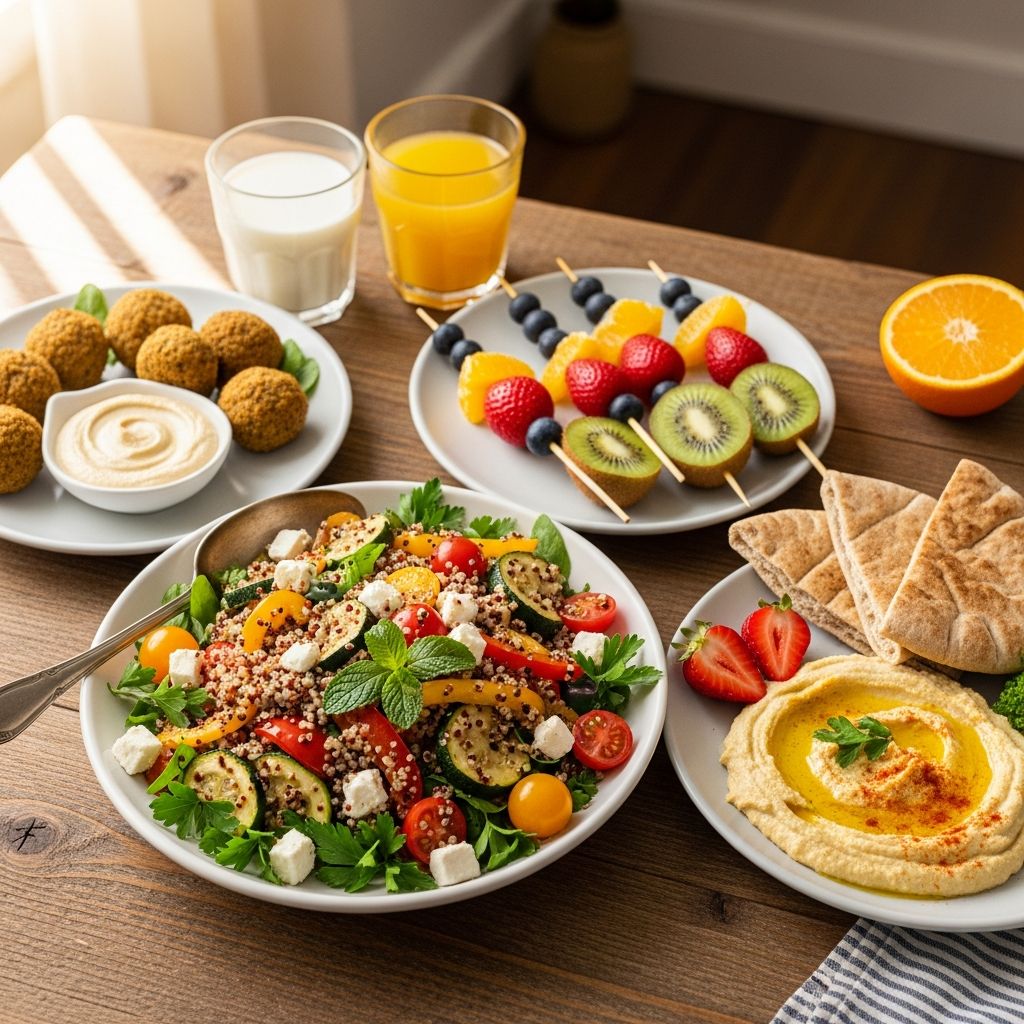
When a child announces they want to switch to a vegetarian diet, it can spark a mix of emotions for parents—from pride in their independence to worry about nutrition. Approximately 5-6% of children and teens follow vegetarian diets, with 1-2% going vegan, reflecting growing interest in plant-based eating. This guide offers practical steps to nurture this choice while safeguarding health.
Understanding the Motivation Behind the Choice
The first step is an open dialogue. Kids may choose vegetarianism for ethical reasons like animal welfare, environmental concerns, health benefits, or simply disliking meat. Early teens often lead this trend, sometimes with researched arguments. Probe gently: Is it all animal products or just meat? This clarifies commitments and reveals if it’s a fad, peer influence, or deeper conviction.
Be vigilant for red flags. If the shift ties to weight loss or restriction, consult a pediatrician to rule out disordered eating. Authentic motivations foster commitment; understanding them builds trust and tailors support.
Key Nutritional Foundations for Young Vegetarians
Well-planned vegetarian diets suit children, providing more fruits, vegetables, fiber, and fewer saturated fats and sweets than omnivorous ones, potentially lowering obesity risk. However, intentional planning prevents deficiencies in protein, iron, calcium, vitamin B12, zinc, and omega-3s.
| Nutrient | Role in Growth | Plant-Based Sources |
|---|---|---|
| Protein | Muscle and tissue repair | Beans, lentils, tofu, quinoa, nuts |
| Iron | Oxygen transport, energy | Spinach, lentils, fortified cereals (pair with vitamin C) |
| Calcium | Bone health | Dairy (lacto-ovo), fortified plant milks, leafy greens |
| Vitamin B12 | Nerve function, red blood cells | Fortified foods, eggs, dairy; supplements if vegan |
| Zinc | Immune support, growth | Whole grains, seeds, legumes |
During growth spurts, higher-fiber plant foods may fill kids up before calorie needs are met, so emphasize calorie-dense options like nuts and avocados. Regular pediatric check-ins, including blood tests for iron and B12, ensure adequacy.
Practical Strategies to Ease the Transition
Support without overwhelming. Begin with “Meatless Mondays” or 1-2 vegetarian days weekly to test waters. This gradual approach prevents burnout and integrates changes smoothly.
- Collaborate actively: Let your child lead meal planning, shopping, and cooking to build ownership and skills.
- Family-inclusive meals: Offer meat as optional add-ins—e.g., veggie stir-fry with tofu or chicken sides, bean tacos alongside beef.
- Expand horizons: Experiment with global cuisines like Indian curries, Mexican bean dishes, or Italian pastas with lentils.
- Prep for challenges: Pack school lunches with hummus wraps or quinoa salads; scout restaurant menus ahead.
A trial period of 1-2 weeks gauges sustainability without pressure. Educate on diet varieties—lacto-ovo (includes dairy/eggs), pesco (fish), or flexitarian (mostly plant-based)—to find the best fit.
Delicious Meal Ideas for Growing Vegetarians
Variety keeps meals exciting. Focus on three daily plant proteins like lentils or soy.
Breakfast Boosters
- Overnight oats with chia seeds, fortified almond milk, and berries.
- Peanut butter (if allergy-safe) on whole-grain toast with banana slices.
- Smoothie bowls blending spinach, yogurt, and nuts.
Lunch and Dinner Winners
- Chickpea curry over brown rice.
- Quinoa-stuffed bell peppers with cheese topping.
- Black bean burgers with sweet potato fries.
Snack Smart
Opt for energy-packed choices: edamame, cheese sticks, trail mix, or yogurt parfaits to bridge meals.
These ideas draw from whole foods, aligning with pediatric recommendations for balanced intake.
Navigating Family Dynamics and Social Scenes
Not everyone may join the shift. Introduce vegetarian options everyone enjoys, like veggie chili or pasta primavera, maintaining harmony. At gatherings, provide alternatives without making it a focal point.
School and activities pose hurdles—limited veggie options abound. Empower your child with portable meals and communication skills for hosts or cafeterias. Model flexibility; occasional omnivore meals for social ease are fine if core values hold.
Health Benefits and Long-Term Wellness
Plant-based eaters often enjoy better profiles: higher nutrient-dense foods reduce chronic disease risks later. Supervised adoption under parents builds lifelong habits. Monitor growth; consult dietitians for personalized plans.
For vegans, B12 supplements are crucial as it’s absent in plants. Fiber caution: 25-30g daily aids digestion but excess can cause discomfort—balance with grains and fruits.
Common Hurdles and Solutions
- Boredom: Rotate recipes; apps or cookbooks spark ideas.
- Cost/Time: Batch-cook beans; buy seasonal produce.
- Growth Concerns: Track weight/height; adjust portions.
- Peer Pressure: Affirm their choice confidently.
Frequently Asked Questions
Is a vegetarian diet safe for active kids?
Yes, with protein from legumes, dairy, and grains supporting energy needs.
How do I ensure enough iron?
Combine iron-rich plants with vitamin C sources like citrus; consider fortified foods.
What if my child wants vegan instead?
Possible but requires vigilance for B12, D, and omega-3s via supplements/fortified items; pediatric guidance essential.
Can we do this on a budget?
Absolutely—staples like beans, rice, and eggs are affordable and nutritious.
Does it affect sports performance?
No, if calories and carbs are ample; many athletes thrive plant-based.
References
- Your Child Wants to Eat Vegetarian. Now What? — Cincinnati Children’s Hospital Medical Center. 2023-approx. https://blog.cincinnatichildrens.org/healthy-living/fitness-and-nutrition/your-child-wants-to-eat-vegetarian-now-what/
- So Your Kid Wants to Be a Vegetarian — Mom’s Kitchen Handbook. 2023-approx. https://www.momskitchenhandbook.com/when-your-kid-wants-to-be-a-vegetarian/
- Are vegetarian and vegan (plant-based) diets safe for kids? — Children’s Hospital of Orange County (CHOC). 2023-approx. https://health.choc.org/are-vegetarian-and-vegan-plant-based-diets-safe-for-kids/
- My child wants to be a vegetarian. Is that ok? — American Academy of Pediatrics (healthychildren.org). 2023-approx. https://www.healthychildren.org/English/tips-tools/ask-the-pediatrician/Pages/My-child-wants-to-be-a-vegetarian-Is-that-ok.aspx
- When Your Child Wants to Become Vegetarian — Cornerstone Pediatrics. 2023-approx. https://cornerstonepediatrics.org/when-your-child-wants-to-become-vegetarian/