Parenting challenges often lead to raised voices, but research shows yelling can harm child development and family dynamics. Instead, adopt proven methods that encourage cooperation and emotional growth, creating a more peaceful home environment.
Understanding the Impact of Yelling on Families
Yelling may provide short-term compliance, but it frequently escalates stress and models poor emotional regulation for children. Studies indicate that frequent harsh verbal discipline correlates with increased anxiety and behavioral issues in kids. Transitioning to calmer approaches not only reduces parental frustration but also teaches children self-control and respect.
Parents often yell due to exhaustion, unclear expectations, or unmet needs in their children. Recognizing these triggers is the first step toward change. By focusing on proactive strategies, families can minimize conflicts and build resilience.
Building Strong Connections Through Daily Rituals
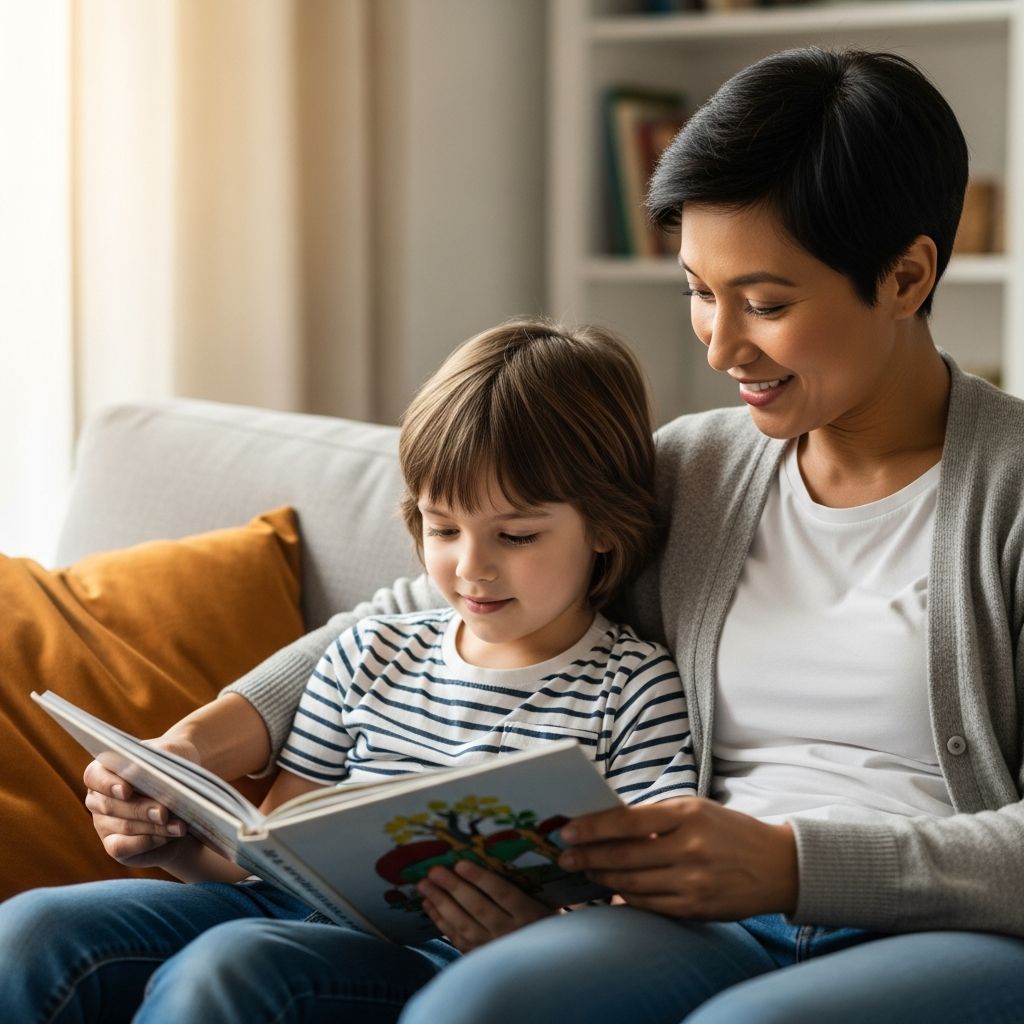
One foundational technique involves dedicating short, child-led sessions of undivided attention each day. Spend 10-15 minutes engaging in activities your child chooses, such as playing a game or reading together. This fills their emotional needs proactively, reducing attention-seeking behaviors that prompt yelling.
- Choose a consistent time, like before dinner, to make it routine.
- Let the child direct the play without interruptions or advice.
- Observe how this ‘attention bucket’ filling leads to better cooperation later.
These moments strengthen bonds, making children more receptive to guidance and less likely to act out for notice.
Implementing Logical Consequences Calmly
Instead of shouting, use consequences tied directly to misbehavior, established in advance. For children over 2.5 years, clearly state expectations and related outcomes. For instance, if a child refuses to tidy toys, the consequence might be pausing playtime until organized.
| Misbehavior | Expectation | Logical Consequence |
|---|---|---|
| Not putting away shoes | Shoes in rack after use | No outdoor play until done |
| Running in house | Walk indoors | Stop activity for 2 minutes |
| Ignoring bedtime | In bed by 8 PM | Later bedtime next night |
This method teaches accountability without emotion, as kids understand the link between actions and results.
Responding in the Moment with Empathy
When misbehavior occurs despite prevention, connect emotionally before correcting. Acknowledge feelings like, ‘I see you’re upset about not getting candy,’ then guide calmly. This validates emotions, de-escalates tension, and opens dialogue.
- Get physically close and maintain eye contact.
- Use a gentle touch on the arm to refocus attention.
- Follow with a clear, positive instruction: ‘Let’s pick a fruit instead.’
Empathy shows children their feelings matter, fostering trust and willingness to listen.
The Power of Whispering Over Shouting
A simple yet powerful tool is lowering your voice to a whisper during escalations. Children naturally quiet to hear, shifting focus from chaos to curiosity. Whisper instructions or fun facts to redirect, like a secret about the next activity.
This technique works because it contrasts with their high energy, drawing them in without confrontation. Practice consistently to make it habitual.
Getting Attention Without Raising Your Voice
To ensure kids hear you, approach their level physically. Kneel down, make eye contact, and use short, specific directions. Say ‘Please walk’ instead of ‘Stop running,’ and touch gently to gain focus.
- Enter their space rather than calling from afar.
- Use positive phrasing: ‘Sit here’ over ‘Don’t stand.’
- Praise compliance immediately: ‘Great job walking!’
These steps make communication effective and model polite interaction.
Establishing Routines for Predictability
Clear routines reduce nagging and yelling by setting expectations. Create visual charts for chores or mornings, praising efforts specifically.
Examples include packing bags nightly or a morning checklist. Consistency builds independence, minimizing parental interventions.
Staying Calm During High-Stress Moments
Maintain composure by recognizing triggers early. Take deep breaths, step away briefly, or repeat a mantra. Acknowledge your child’s stressors too, apologizing if you slip.
- Pre-set limits and restate them calmly.
- Practice self-care to sustain patience.
- Model apologies: ‘I’m sorry I raised my voice; let’s try again.’
This teaches emotional regulation, strengthening the parent-child bond.
Positive Reinforcement for Lasting Change
Shift focus to praising good behavior with specifics: ‘Thank you for helping set the table so quickly!’ This encourages repetition more than criticism deters negatives.
Combine with requests over commands for non-essentials: ‘Would you grab my keys?’ Gratitude amplifies cooperation.
Overcoming Common Challenges
Initial resistance is normal; persistence pays off. Track progress in a journal to stay motivated. For multiple children, rotate one-on-one time. Adjust for ages—simpler for toddlers, more discussion for older kids.
If anxiety or attention issues play a role, use two-step instructions: ‘Name, task one and task two, now.’ Pause 15 seconds between repeats.
Long-Term Benefits of Yelling-Free Parenting
Families report less conflict, happier kids, and stronger relationships. Children develop better listening, self-regulation, and empathy. Parents feel more empowered and less reactive.
Commit to one strategy weekly, building habits gradually for sustainable change.
Frequently Asked Questions
What if my child ignores calm instructions?
Repeat consistently with eye contact and pauses. Follow through on consequences without emotion. Over time, they learn reliability.
How long until I see results?
Many notice improvements in days with daily connection time, but full habits take 2-3 weeks of consistency.
Does this work for teens?
Yes, adapt with more dialogue and empathy; focus on respect and logical outcomes.
What about strong-willed kids?
Emphasize choices and consequences; proactive connection reduces power struggles.
Can I ever raise my voice?
Rarely, for safety. Otherwise, apologize and redirect to build trust.
References
- 4 Proven Parenting Strategies That Work Better Than Yelling — Positive Parenting Solutions. 2023. https://www.positiveparentingsolutions.com/positive-parenting-strategies-better-than-yelling/
- Alternatives to yelling: Nurturing healthy communication with children — Manning Children’s. 2023-12. https://www.manningchildrens.org/news-blog/2023/december/alternatives-to-yelling-nurturing-healthy-commun/
- How to Get Kids to Listen Without Yelling — Nemours KidsHealth Blog. 2019-10. https://blog.nemours.org/2019/10/how-to-get-kids-to-listen-without-yelling/
- Child Not Listening? Stop Yelling. Do This Instead — Brightest Beginning YouTube. N/A. https://www.youtube.com/watch?v=SQ-NN_1Jotw
- How I got my child to listen (without yelling) — Understood.org. N/A. https://www.understood.org/en/articles/getting-my-child-to-listen-without-yelling
- How to stop yelling at your kids: try these parenting strategies — Triple P Parenting. N/A. https://www.triplep-parenting.com/us/articles-and-news/post/how-to-stop-yelling-at-your-kids/