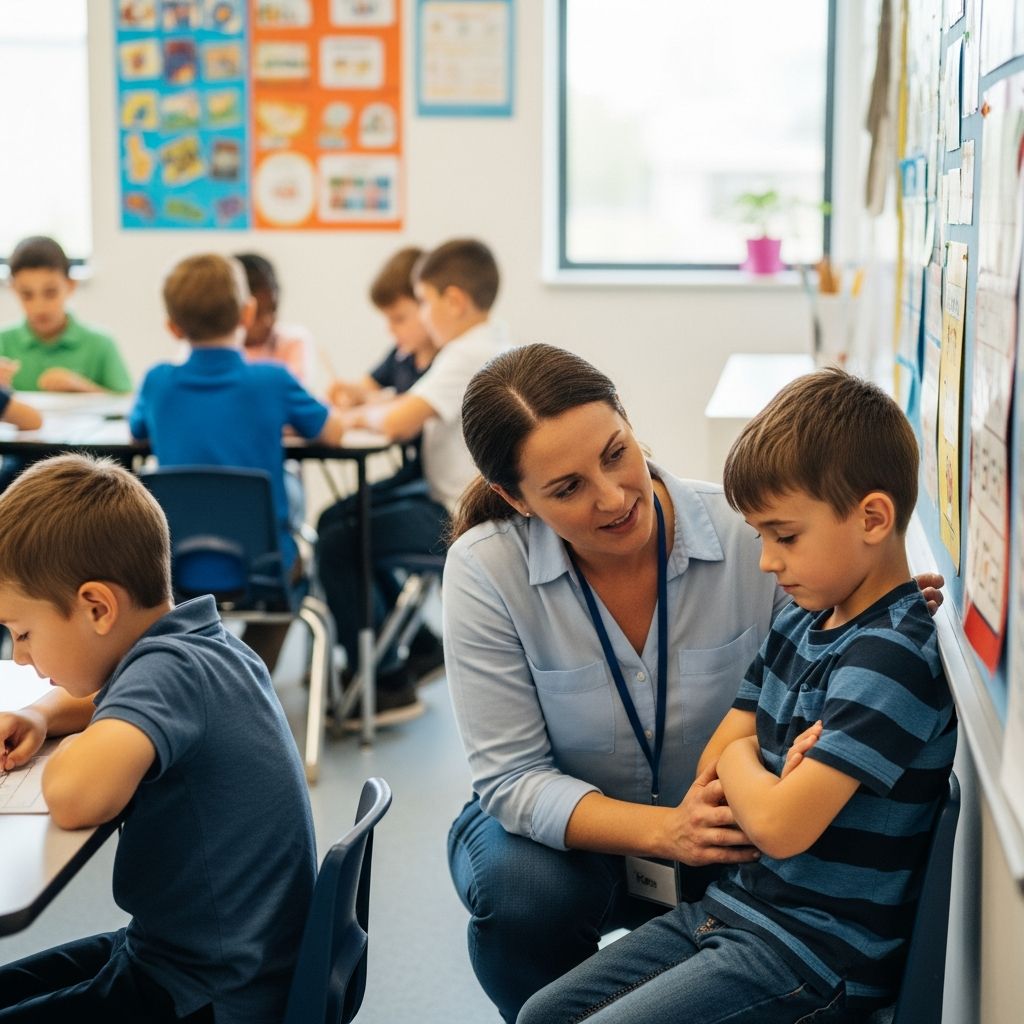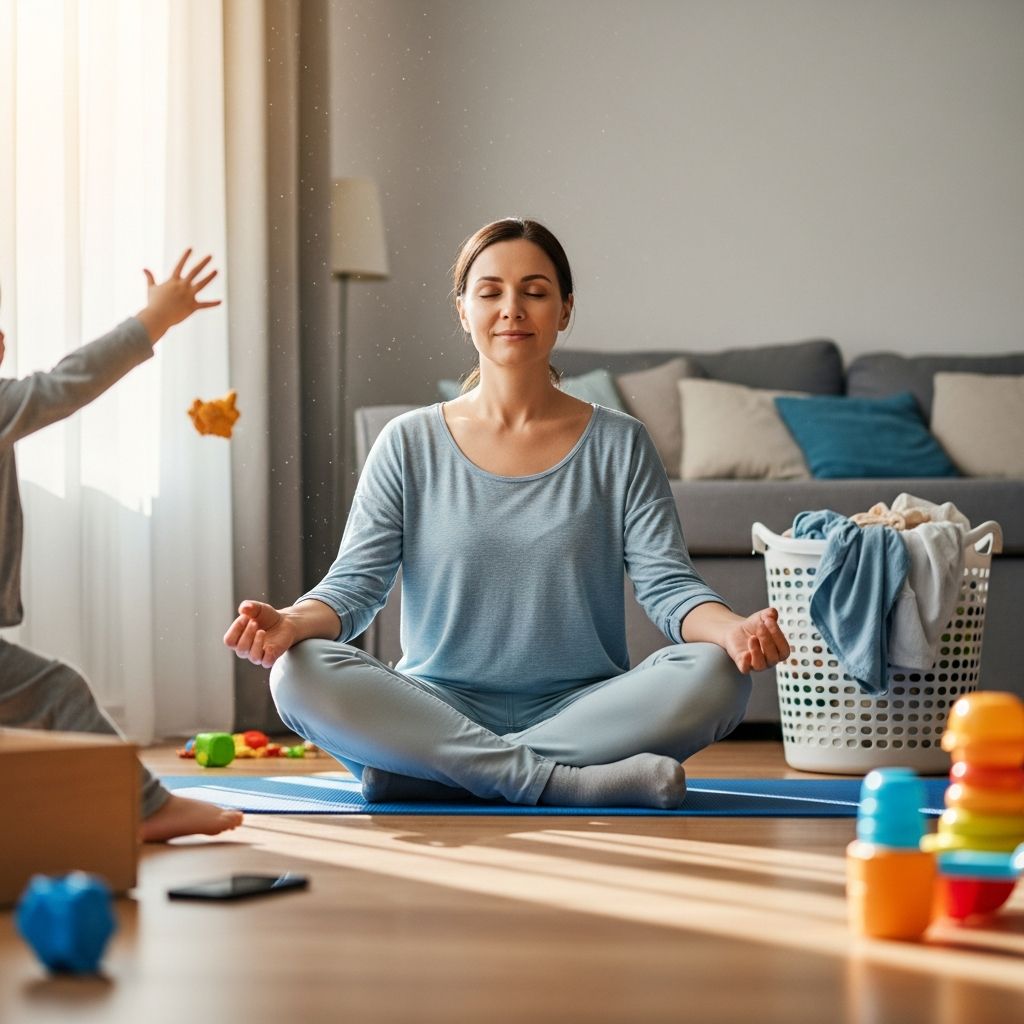
Parenting brings immense joy but also intense pressure that can lead to moments of overwhelming frustration. Many parents experience the urge to yell or scream when emotions peak, yet simple breathing practices offer a powerful way to regain control and respond with patience.
Understanding the Roots of Parental Frustration
The daily grind of childcare often amplifies stress, especially during high-demand periods like pandemics or isolation phases. Mothers and fathers alike report feeling exhausted from constant demands, leading to what experts call ‘mom rage’ or general parental burnout. This isn’t a personal failing but a common response to unrelenting responsibilities without adequate support.
Isolation exacerbates these feelings; new parents frequently describe a profound loneliness despite being surrounded by family needs. The absence of a supportive community can make routine tasks feel insurmountable, pushing emotions to the brink.
The Science Behind Breathing for Calm
Deep breathing activates the body’s relaxation response, countering the fight-or-flight mode triggered by stress. When frustration builds, the amygdala—the brain’s emotional center—takes over, impairing rational thinking. Intentional breaths shift control back to the prefrontal cortex, enabling calmer decisions.
Research from health authorities confirms that techniques like diaphragmatic breathing reduce cortisol levels, the stress hormone, promoting emotional regulation. Parents who practice this report fewer outbursts and improved interactions with their children.
Practical Breathing Exercises for Busy Parents
- 4-7-8 Breath: Inhale for 4 seconds, hold for 7, exhale for 8. Repeat 4 times to quickly de-escalate tension during a tantrum.
- Box Breathing: Inhale, hold, exhale, hold—each for 4 counts. Ideal for moments when you feel the scream rising.
- Alternate Nostril Breathing: Close one nostril, inhale through the other, switch, and exhale. Use in quiet moments to build daily resilience.
Incorporate these into your routine: try one upon waking or before bedtime to strengthen your emotional toolkit.
Step-by-Step Guide to Recovering After an Outburst
Losing your temper happens to every parent. The key lies in what follows. A structured three-phase approach helps mend the moment and teaches children healthy conflict resolution.
- Self-Calm First: Step away if possible. For stay-at-home parents, use creative distractions like a quick outdoor walk or screen time as a temporary aid. Focus on slowing your breath until your heart rate stabilizes.
- Child Calm: Help your child regulate based on age. Infants need soothing touch; toddlers benefit from naming emotions or punching a pillow; older kids thrive with drawing or exercise; teens require space for journaling or music.
- Repair and Reconnect: Apologize sincerely, validate feelings, and express love. Encourage your child to share their perspective, releasing pent-up emotions and preventing future buildups.
| Age Group | Calming Strategies | Repair Tips |
|---|---|---|
| Infants/Toddlers | Holding, rocking, emotion labeling | Simple hugs, ‘I’m sorry I yelled’ |
| Preschool/School-Age | Pillow punching, drawing feelings | Listen actively, discuss better ways |
| Teens | Alone time, physical activity | Open dialogue, mutual respect |
Building Long-Term Habits to Curb Yelling
Breaking the yelling cycle requires consistent effort. Start by tracking triggers—hunger, fatigue, or overstimulation—and preempt them with routines like snack schedules or nap priorities.
Replace negative patterns with positives: voice appreciations daily, such as praising a child’s effort or kindness. This shifts the family dynamic toward encouragement.
Self-care forms the foundation. Carve out ‘me time’ through short meditations, exercise, or connecting with friends. Even 10 minutes daily rebuilds your reserves.
Community and Collective Release Methods
Sometimes, group activities provide catharsis. During tough times like pandemics, parents have gathered for primal scream sessions in open spaces, offering a safe outlet for built-up tension. Organized by therapists, these events remind us we’re not alone.
Seek or create local parent groups for virtual coffee chats or park meetups. Sharing stories normalizes struggles and sparks mutual support.
Teaching Kids Emotional Tools Early
Model calm to instill lifelong skills. Use phrases like ‘You can feel mad, but choose kind words.’ Guide them through breathing together during playtime.
For anger processing, provide outlets: stuffed animals for squeezing, art supplies for expression, or outdoor runs. This equips children to handle their emotions independently.
Addressing Loneliness in Modern Parenting
Motherhood’s solitude surprises many—no one warns of the quiet ache amid chaos. Combat it by scheduling check-ins with loved ones and joining online parenting forums vetted for positivity.
Build your village intentionally: swap childcare with neighbors or volunteer for parent cooperatives. Connection combats isolation effectively.
Frequently Asked Questions
What if I can’t step away to calm down?
Use in-place techniques like counting breaths or clenching/releasing fists discreetly while engaging kids in an activity.
How often should I repair after conflicts?
Every time, to model accountability and strengthen trust. Consistency teaches emotional maturity.
Is yelling always harmful?
Occasional raised voices happen, but frequent yelling erodes security. Focus on patterns and repair.
Can breathing really stop rage in the moment?
It interrupts the escalation, giving you space to choose a better response. Practice builds proficiency.
How do I handle my child’s yelling back?
Stay calm, set boundaries calmly, then repair together. Avoid escalating the cycle.
Daily Integration for Lasting Change
Transform habits gradually: set phone reminders for breath breaks, journal evening reflections on wins, and celebrate progress. Over weeks, you’ll notice reduced reactivity and deeper family harmony.
Parenting calm isn’t perfection but progress. Each breath reclaims your peace, nurturing resilient kids in the process.
References
- American Psychological Association: Stress Effects on the Body — American Psychological Association. 2023-06-01. https://www.apa.org/topics/stress/body
- CDC: Managing Stress During Difficult Times — Centers for Disease Control and Prevention. 2024-02-15. https://www.cdc.gov/mentalhealth/stress-coping/cope-with-stress/index.html
- Harvard Health Publishing: Relaxation Techniques – Breath Control Helps Quell Errant Stress Response — Harvard Medical School. 2022-11-12. https://www.health.harvard.edu/mind-and-mood/relaxation-techniques-breath-control-helps-quell-errant-stress-response
- NIMH: Understanding the Stress Response — National Institute of Mental Health. 2024-08-20. https://www.nimh.nih.gov/health/publications/stress
- Journal of Child Psychology and Psychiatry: Parental Yelling and Child Outcomes (Peer-reviewed) — Wiley Online Library (DOI:10.1111/jcpp.13345). 2023-05-10. https://doi.org/10.1111/jcpp.13345