Understanding Why Children Bite: The Foundation of Effective Intervention
Biting is one of the most concerning behavioral challenges parents and caregivers encounter during early childhood. While it can feel alarming and embarrassing, it’s important to recognize that biting is a developmentally normal behavior that occurs across all children at various stages. Understanding the underlying causes of biting is the crucial first step toward effectively addressing and eliminating the behavior.
Children bite for numerous reasons, and identifying the specific trigger for your child’s biting episodes will help you implement targeted solutions. Rather than simply punishing the behavior, successful interventions focus on addressing the root cause, whether that’s discomfort from teething, emotional dysregulation, sensory needs, or communication limitations.
The Primary Causes Behind Childhood Biting
Physical Discomfort and Teething
One of the most common reasons infants and young toddlers bite is to relieve the pressure and pain associated with teething. When teeth are breaking through the gums, children experience significant discomfort, and applying pressure through biting provides temporary relief. This is not a behavioral issue but rather a developmental phase during which children need appropriate outlets for their oral sensations.
Recognizing teething as a cause allows parents to provide suitable alternatives such as teething rings, chilled (not frozen) fruit, or specialized teething toys. These alternatives satisfy the child’s need for oral stimulation while protecting others from inadvertent bites.
Developmental Limitations in Communication
Toddlers and young preschoolers experience intense emotions—frustration, anger, excitement, and fear—but lack the language skills necessary to express these feelings verbally. This gap between emotional experience and communication ability creates a vacuum that behavior fills. A child who cannot say “I’m angry” or “I need space” may resort to biting as a method of communication.
As children’s language abilities improve, the frequency and intensity of biting typically decrease naturally. However, parents can accelerate this process by actively teaching children words for emotions and providing models of appropriate communication.
Sensory Exploration and Curiosity
Young children, particularly infants and younger toddlers, explore their world through their mouths. Biting is sometimes simply an extension of this natural curiosity. A child might bite a toy, a blanket, or even a person simply to investigate what happens, without any intention to harm or communicate frustration.
This exploratory biting is not malicious but rather stems from the child’s limited understanding of cause and effect. Over time, as cognitive development progresses and children receive consistent feedback about which objects are appropriate to bite and which are not, this type of biting decreases.
Overstimulation and Emotional Overload
Excitement, noise, activity, and crowded environments can overwhelm young children’s developing nervous systems. Rather than withdrawing or expressing discomfort verbally, some children respond to overstimulation by biting. This might occur during a lively music activity, a crowded playdate, or any situation with excessive sensory input.
Identifying overstimulation as a trigger allows parents to create calmer environments, reduce unnecessary noise and activity, and teach children how to self-regulate when stimulated.
Frustration and Lack of Control
When children face obstacles—another child takes their toy, they cannot accomplish a task, or their needs are not being met—they may respond with biting. This represents an attempt to regain control of a situation that feels frustrating or threatening. A child who bites when another child takes a toy is essentially trying to solve a problem, albeit inappropriately.
The Attention Factor
Even young children understand that biting produces a significant reaction. The immediate response from adults and other children—verbal expressions of pain, concern, and focus—can inadvertently reinforce biting as an effective way to get attention. Some children may bite specifically because the dramatic reaction satisfies their need for adult attention.
Creating an Environment That Minimizes Biting Incidents
Designing Physical Spaces Thoughtfully
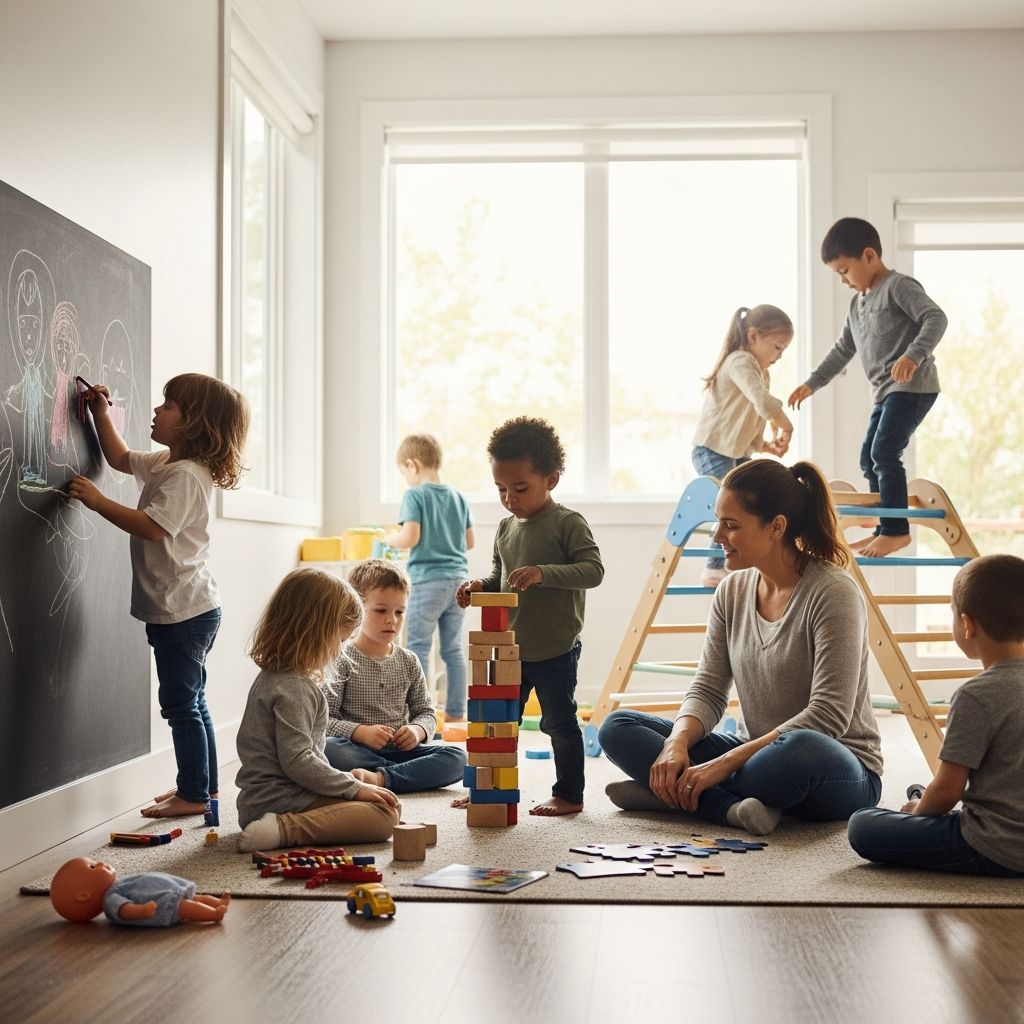
The physical environment plays a significant role in children’s behavior. Overcrowded spaces increase stress and the likelihood of physical conflict between children. When designing your home or considering your child’s classroom setup, ensure there are adequate play areas with defined zones. Multiple spaces allow children to spread out and reduce the crowding that triggers frustration and overstimulation.
Adults should also be strategically positioned throughout the environment, allowing for better supervision and quicker intervention when conflict arises.
Establishing Predictable Routines
Young children thrive on predictability and consistency. When meals, naps, transitions, and activities follow a consistent pattern, children feel secure and experience less anxiety. This security reduces the likelihood of stress-related biting.
Creating a schedule that is flexible enough to accommodate individual needs while maintaining overall consistency helps children know what to expect throughout their day. Transitions between activities should be gradual and clearly communicated.
Meeting Basic Needs Proactively
Hunger, fatigue, and discomfort significantly increase the likelihood of problematic behaviors, including biting. A well-rested, well-fed, and comfortable child is considerably less likely to bite than one whose basic needs are not being met.
Parents should monitor their children’s cues and attend to needs before children reach a breaking point. Offering snacks before hunger becomes severe, ensuring adequate sleep, and addressing physical discomfort creates a foundation for better behavior regulation.
Immediate Response Strategies When Biting Occurs
Remaining Calm and Avoiding Shame
A parent’s response to biting significantly influences both the child’s learning and the child’s emotional well-being. While it’s natural to feel frustrated or embarrassed, responding with anger, shame, or punishment is counterproductive and can actually increase biting behavior.
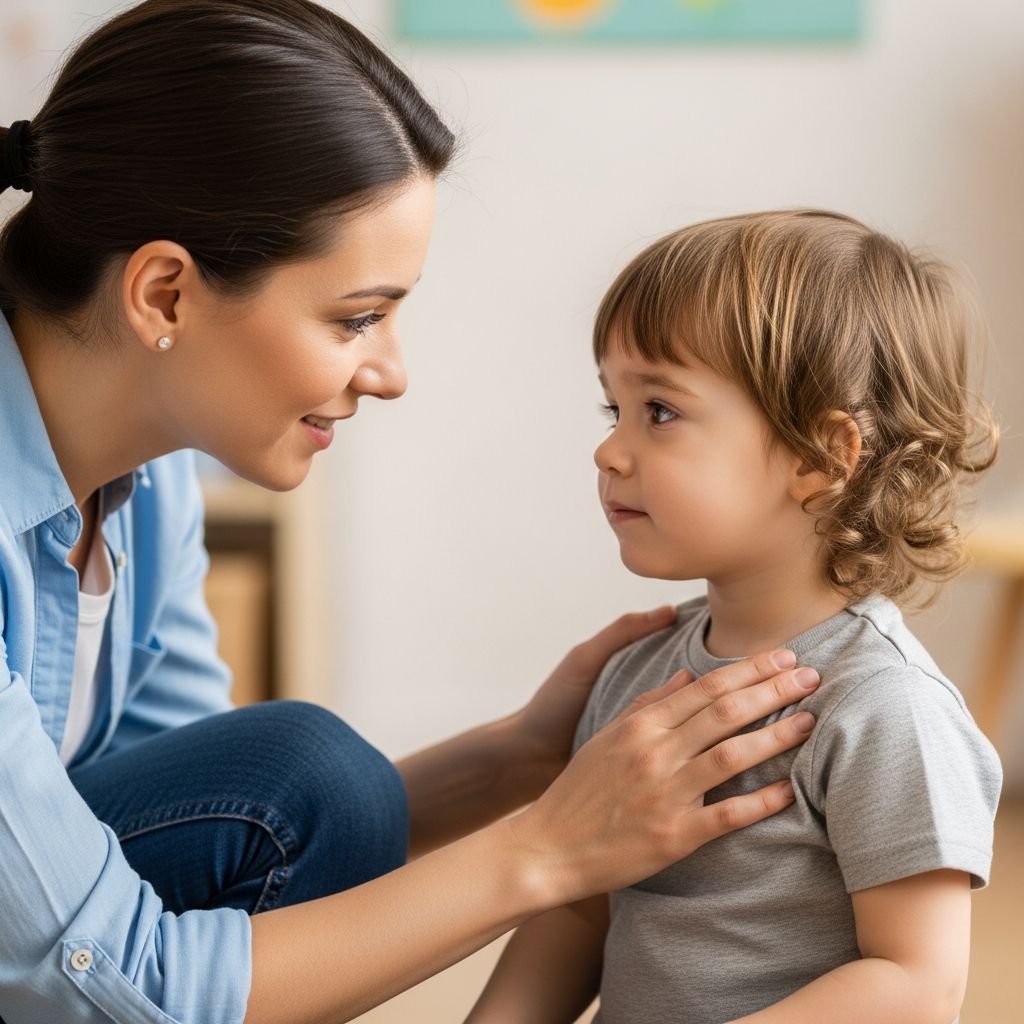
Instead, maintain a calm demeanor. Use a firm, clear voice to communicate that biting is not acceptable, but avoid yelling, shaming, or physical punishment. The goal is to teach, not to hurt or humiliate.
Using Clear, Simple Communication
Young children benefit from brief, concrete statements rather than lengthy explanations. When your child bites, state clearly: “Biting hurts. We don’t bite.” Follow this with a simple consequence, such as a brief time-out or loss of a toy.
Avoid complex explanations about why biting is wrong. A toddler’s developing brain cannot process lengthy reasoning, and lengthy lectures may actually provide the attention that reinforces the behavior.
Addressing Both Children Involved
When biting occurs between two children, address both the child who bit and the child who was bitten. Comfort the child who was injured and acknowledge their feelings. Then address the child who bit, helping them understand the impact of their action: “You bit your brother. Look, he’s crying because it hurt.”
This approach builds empathy while clearly communicating that the behavior is unacceptable.
Removing the Child from the Situation
After addressing the immediate incident, remove your child from the situation for a brief period. This provides time for emotions to settle and for everyone involved to recover from the incident. The time-out should be brief (typically one minute per year of age) and used as a cooling-off period rather than as punishment.
Teaching Alternative Behaviors and Communication
Building Emotional Vocabulary
Help your child develop language for identifying and expressing emotions. Throughout the day, label emotions as they arise: “You’re feeling frustrated because the puzzle piece doesn’t fit,” or “I notice you’re excited about the birthday party.” This teaches children to recognize and name their feelings.
Over time, as children internalize emotional vocabulary, they become increasingly capable of expressing feelings verbally rather than through physical behaviors like biting.
Modeling Appropriate Problem-Solving
When conflicts arise—such as two children wanting the same toy—use the moment as a teaching opportunity. Model appropriate solutions: “You both want the red car. Let’s take turns. First Jamie plays with it, then you play with it.” Demonstrate using words to solve problems rather than resorting to physical behavior.
Practicing Conflict Resolution Skills
Through games and role-play, children can practice appropriate responses to frustrating situations. For example, teach your child to say “stop,” “no,” or “that’s mine” when another child takes a toy or invades personal space. Practice these phrases during calm moments so they become automatic responses during stressful situations.
Offering Appropriate Oral Outlets
For children with strong sensory needs for oral stimulation, provide appropriate alternatives: crunchy snacks like crackers or apple slices, chewy snacks, drinking through a straw, or specialized chewing toys. These options satisfy the sensory need without causing harm to others.
Sensory and Stress Management Strategies
Incorporating Calming Activities
Certain activities help children self-regulate and manage stress. Playdough, sensory tables with sand or water, coloring, and yoga are all activities that can help children release tension and calm their nervous systems.
Having these activities readily available provides constructive outlets for energy and emotion, reducing the likelihood of biting when a child is feeling overwhelmed.
Mindfulness and Breathing Techniques
Even young children can benefit from simple breathing exercises and mindfulness practices. Teach your child to take slow, deep breaths when they’re feeling upset. You might frame this as “smelling the flowers and blowing out the candles” or use other imagery that appeals to your child.
These techniques provide children with tools they can use independently when they feel emotions rising.
Reducing Sensory Overstimulation
For children who are particularly sensitive to sensory input, be intentional about reducing unnecessary noise, bright lights, and chaotic activity. When you know an event will be stimulating—like a crowded store or a birthday party—prepare your child in advance and plan for breaks in a quieter space.
Collaboration With Caregivers and Teachers
Consistency across all of a child’s environments is crucial for behavioral change. When biting occurs in multiple settings (home, daycare, preschool), parents and caregivers must communicate regularly about the behavior, its triggers, and the strategies being implemented.
Develop a plan together that addresses the underlying causes and ensures that all adults respond to biting incidents in consistent ways. Regularly discuss progress and adjust strategies as needed based on what’s working and what isn’t.
Common Questions About Childhood Biting
Q: At what age does biting typically stop?
A: Biting is most common between ages one and two years old. As children’s language skills improve and their self-control develops, biting naturally decreases. Most children have largely outgrown biting by age three or four, though occasional incidents may occur until age five or six.
Q: Should I bite my child back to teach them how it feels?
A: No. Biting your child models the very behavior you’re trying to eliminate and teaches that physical retaliation is acceptable. This approach is counterproductive and confusing to young children.
Q: How long does it take to eliminate biting behavior?
A: Behavioral change takes time, typically several weeks to several months depending on the frequency of the behavior, the underlying causes, and the consistency of intervention. Patience is essential, as biting often becomes habitual and requires sustained effort to change.
Q: Is biting a sign of aggression or future behavioral problems?
A: No. Biting in early childhood is a normal developmental behavior, not a predictor of future aggression or behavioral problems. With appropriate guidance and intervention, children learn healthier ways to manage their emotions and communicate their needs.
Q: What should I do if my child bites themselves?
A: Self-biting is often a sign of frustration, sensory seeking, or in some cases, an indication that the child is very upset. Offer alternative sensory outlets, ensure the child’s basic needs are being met, and consult with your pediatrician if the behavior is frequent or seems to indicate significant distress.
Q: Should my child be expelled from daycare or preschool for biting?
A: Biting alone should not result in expulsion, as it is a normal developmental behavior. However, programs should have clear policies about how biting is addressed and when parents will be involved. A collaborative approach between parents and caregivers is most effective.
Q: How can I help my child understand empathy related to biting?
A: Help your child see the impact of their biting: “Look, your sister is crying because it hurt.” Read books about feelings, discuss how people feel when they’re hurt, and model empathetic responses to others’ distress in your daily life.
References
- Tips to Help Children Who Bite — Bright Horizons. 2024. https://www.brighthorizons.com/article/parenting/how-to-prevent-manage-children-biting-behaviors
- Toddler Biting: Finding the Right Response — ZERO TO THREE. 2024. https://www.zerotothree.org/resource/toddler-biting-finding-the-right-response/
- Understanding and Responding to Children Who Bite — National Association for the Education of Young Children (NAEYC). 2024. https://www.naeyc.org/our-work/families/understanding-and-responding-children-who-bite
- Baby & Toddler Biting, Pinching & Hair-Pulling — Raising Children Australia. 2024. https://raisingchildren.net.au/babies/behaviour/common-concerns/biting-pinching-hair-pulling
- Biting — Nemours KidsHealth. 2024. https://kidshealth.org/en/parents/stop-biting.html
- How To Stop a Toddler From Biting — Cleveland Clinic. 2024. https://health.clevelandclinic.org/young-children-and-biting
- Biting — Nationwide Children’s Hospital. 2024. https://www.nationwidechildrens.org/conditions/health-library/biting