Siblings will argue, compete and clash; that is part of learning how to live with other human beings. Yet constant yelling, hitting or name-calling is exhausting for everyone and can slowly erode the connection you want your children to share. This guide walks you through a modern, relationship-focused approach that reduces daily battles and builds the foundations for a life-long, healthy bond.
Why Siblings Fight More Than You Expect
Most sibling conflict is not about the toy in question, the front seat of the car or the last cookie. Underneath, children are wrestling with big feelings about fairness, belonging, power and parental attention. When a child’s stress or insecurity spikes, even a small slight from a sibling becomes the perfect spark for an explosion.
Understanding this emotional layer changes how you respond. Instead of focusing only on who started it, you begin to ask, “What is each child feeling and trying to express right now?” That shift lays the groundwork for calmer, more productive interventions.
The Parent’s Hidden Influence on Sibling Dynamics
Children are constantly scanning their parents to understand where they stand. Subtle comparisons, offhand comments or differences in tone can feed rivalry even when you deeply love each child. If one child feels less valued, any sibling success or privilege can feel like proof of being second best.
Parents also model how conflict is handled. If adults in the home frequently argue harshly, withdraw or become sarcastic, children absorb these methods as the normal way to manage disagreements. When you practice calmer, more respectful repair with your partner and your kids, you give siblings a living template for handling their own disputes.
Core Principles for Peaceful Sibling Relationships
Before diving into specific tactics, it helps to ground yourself in a few guiding principles. These ideas keep you anchored on hard days when the noise level feels overwhelming.
- Connection before correction: Children are more cooperative when they feel seen, safe and valued. Address the emotional temperature first, then coach behavior.
- Fair, not identical: Treating children exactly the same often backfires; what they need is for their individual needs and personalities to be respected.
- Teach, don’t just punish: Conflict is a classroom for learning empathy, negotiation and problem solving. Consequences alone rarely teach those skills.
- Prevention beats cleanup: Setting up your home and routines thoughtfully prevents many of the most predictable battles.
Everyday Habits That Reduce Rivalry
Small, repeated actions shape how siblings experience one another. By tuning a few daily habits, you can strongly reduce the intensity and frequency of clashes.
- Invest in one-on-one time: Aim for at least 10–15 minutes a day where each child has your undivided attention, even if it is during chores, bedtime or a short walk.
- Describe, don’t compare: Replace comments like “Your brother is so organized” with neutral observations such as “You lined up all your books carefully.” This avoids ranking children.
- Limit competition at home: Use cooperative games and shared family goals more often than contests that pit siblings against each other.
- Allow some ‘just mine’ items: Give each child a few special objects they are not required to share, and store them in clearly respected spaces.
Designing Your Home to Prevent Hot-Spot Conflicts
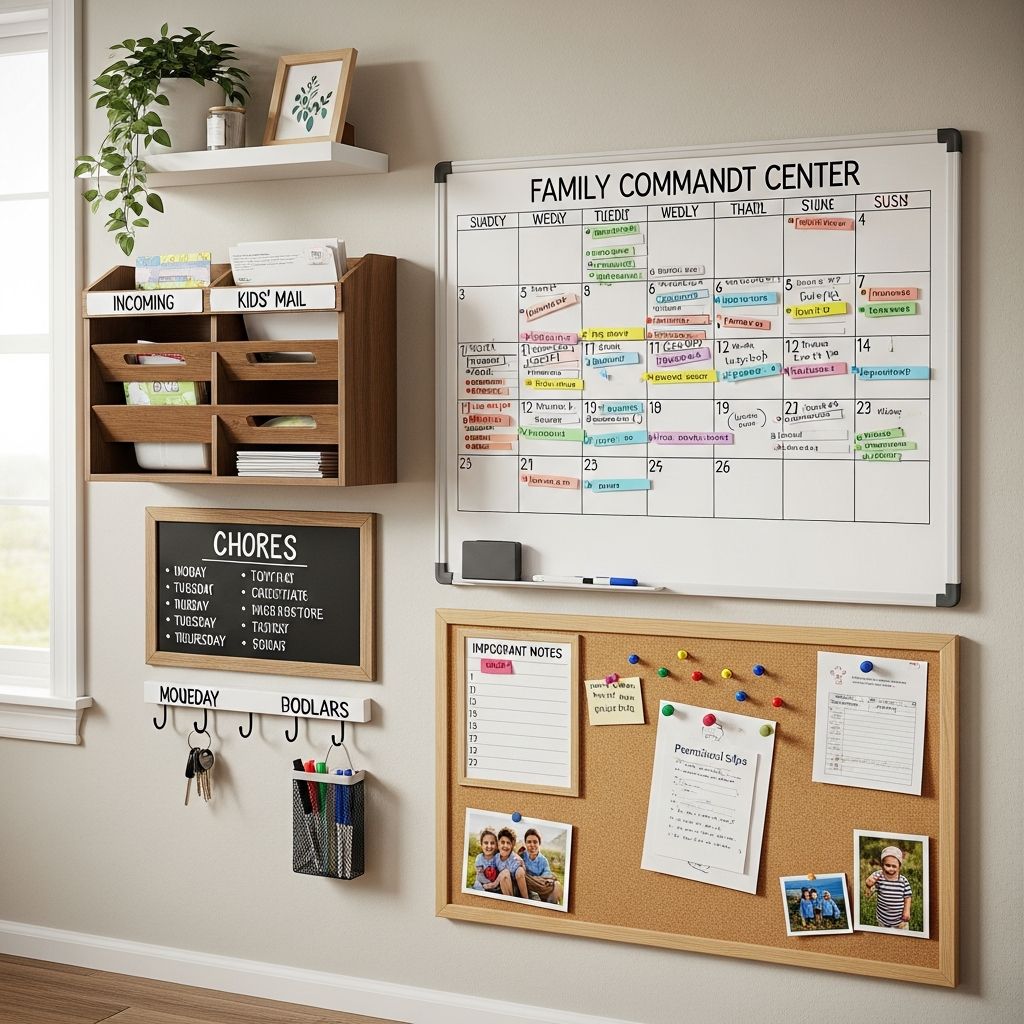
Many recurring fights happen in the same situations: getting ready, sharing electronics, choosing shows, or doing chores. Intentional structure around these hot spots can dramatically lower friction.
| Trigger | Why It Sparks Conflict | Preventive Structure |
|---|---|---|
| Screen time and device sharing | Perceived unfair turns and fear of missing out | Written schedule for turns, visible timer, clear rules about what happens if rules are broken |
| Getting ready for school or outings | Time pressure, hunger, tiredness and competing needs | Visual morning checklist for each child, extra buffer time, tasks divided in advance |
| Shared bedroom or play space | Sensory overload and lack of ownership | Defined zones, labeled storage, headphones or quiet corner for breaks |
| Car rides | Close quarters and boredom | Assigned seats, prepared activities, clear expectations set before driving |
Instead of improvising in the heat of the moment, share these structures with your children in advance. Involving them in the design builds ownership and reduces the sense that rules are arbitrary or biased.
Step-by-Step: What to Do When a Fight Breaks Out
No matter how well you prepare, siblings will still have heated moments. A calm, consistent process helps you respond without taking sides or losing your temper.
- Check for safety first: If there is hitting, kicking, biting or serious verbal abuse, separate the children gently and physically intervene.
- Regulate before you reason: Once everyone is safe, focus on calming bodies and voices with deep breaths, a drink of water, or a short pause in separate spaces.
- Listen to each story: Give each child a turn to talk without interruption. For young kids, you may need to narrate what you observed in simple language.
- Reflect feelings, not judgments: Name the emotions you see: “You felt left out when they started the game without you.” This builds emotional literacy.
- Guide problem-solving: Ask open questions such as “What ideas do you have so everyone feels okay?” Help them evaluate solutions and choose one they both accept.
- Reinforce learning: Briefly highlight what went well in the repair process, even if the conflict was messy at first.
When to Stay Out and When to Step In
Not every disagreement needs adult involvement. If children are loud but essentially respectful, working through a conflict alone can be incredibly valuable practice. In those moments, it can be enough to stay nearby, remain alert and trust that they can handle the situation.
You do need to step in when you see a clear power imbalance, repeated bullying, ongoing humiliation or any physical aggression. In those cases, your presence communicates that everyone in the family deserves protection and respect, regardless of who “started it.”
Supporting Each Child’s Individual Identity
Sibling rivalry weakens when each child feels securely unique and valued for who they are, not for how they measure up to their brother or sister. Children who sense that there is “room” for them to be themselves have less need to push others down to feel taller.
- Offer specific, non-comparative feedback: “You focused for a long time on that puzzle,” instead of “You’re smarter than your sister.”
- Celebrate different interests, even when they are less familiar or convenient for you.
- Avoid assigning roles such as “the responsible one” or “the wild one,” which can trap children and fuel resentment.
Transforming Conflict Into Connection
Handled thoughtfully, disputes can leave siblings feeling closer rather than further apart. The key is to turn the end of a conflict into a moment of mutual understanding rather than mere compliance with rules.
After everyone is calmer, invite siblings to share one thing they appreciate about each other or something they will try differently next time. This does not need to be forced or dramatic; even a small acknowledgment, like “Thanks for giving me a turn,” can gently repair the relationship.
Sample Phrases to Use in the Heat of the Moment
When tempers flare, words can either pour fuel on the fire or help settle the storm. Having a few ready-made phrases in mind helps you respond steadily even when you feel triggered.
- “I will not let you hurt each other. I am going to separate you so everyone can be safe.”
- “I hear loud anger. Let’s pause and take three breaths before we talk.”
- “I want to hear both sides. Who wants to go first?”
- “You don’t have to agree, but you do have to speak respectfully.”
- “What is one solution where both of you get at least some of what you need?”
Frequently Asked Questions About Sibling Fights
How much fighting is normal between siblings?
Regular disagreements, hurt feelings and even occasional shouting are common as children practice sharing space and resources. What is more concerning is a pattern of ongoing fear, cruelty or one child consistently dominating the other. If conflicts rarely get resolved or you notice long-lasting bitterness, it can be helpful to seek outside guidance.
Should I always find out who started it?
Spending a lot of energy deciding who is at fault often pulls you into the role of judge, which can increase sibling resentment and accusations. It is usually more productive to focus on what is happening now, how each child can take responsibility for their part and what they can do differently next time.
Is it okay to punish both children when they fight?
Blanket punishments may stop the noise temporarily, but they rarely teach better skills for next time. A more effective approach is to ensure safety, help everyone calm down, then guide your children through repairing the relationship and brainstorming better strategies for handling similar situations.
What if one child always seems to be the aggressor?
When the same child repeatedly explodes or bullies, it is usually a sign of deeper unmet needs or lagging skills in emotion regulation. You can still maintain clear boundaries around aggression, while also offering extra support, connection and sometimes professional input to help that child develop healthier ways to express big feelings.
Can siblings who fight constantly still grow up close?
Yes. Many adults who are close to their siblings remember intense conflict in childhood. The quality of the relationship you model, the fairness you strive for and the repair skills you teach play a large role in how those early clashes are integrated into their long-term bond.
Bringing It All Together
Reducing sibling conflict is not about eliminating every argument; it is about gradually building a family culture where each child feels safe, respected and heard. With consistent structure, generous connection and a focus on teaching rather than punishing, your home can shift from a battlefield to a training ground for empathy and cooperation.
Even small improvements matter. Each time you intervene calmly, avoid comparisons, and help your children repair after a clash, you are strengthening not only their relationship with each other but also their trust in you as a steady, caring leader.