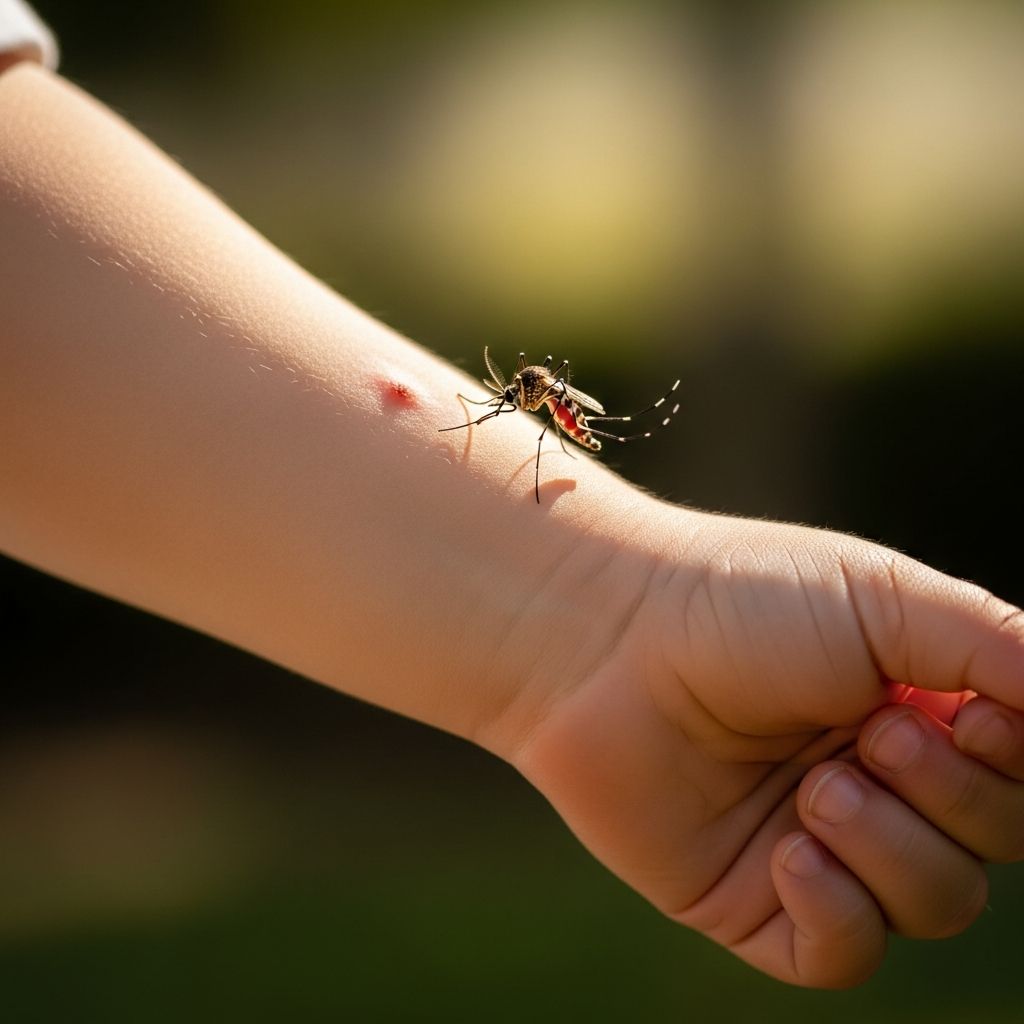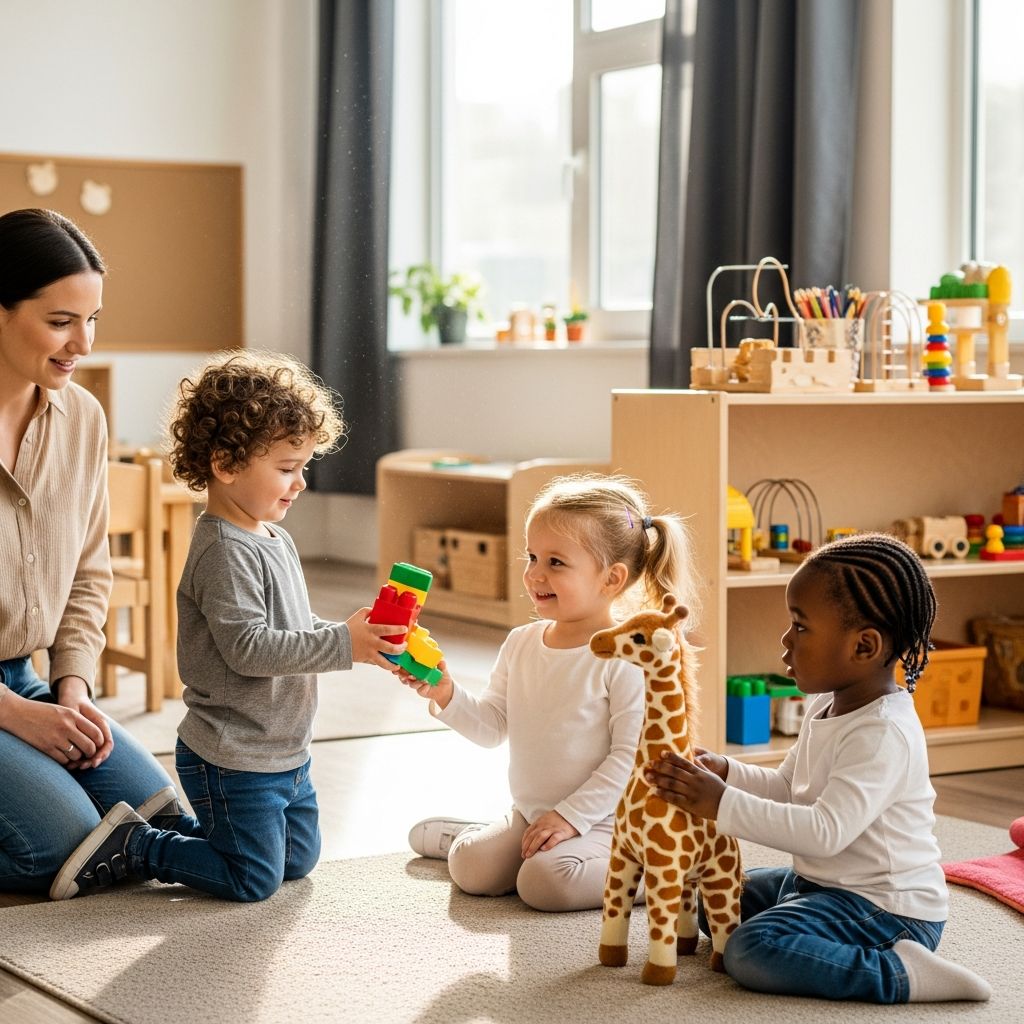
When a child bites at preschool, everyone feels upset: the child who was hurt, the child who bit, the parents, and the teachers. Yet biting is a common behavior in early childhood and, with calm and consistent support, it can almost always be reduced and replaced with healthier skills.
Why Biting Happens in Early Childhood
Biting is rarely a sign that a preschooler is “mean” or “bad.” It is usually a clumsy attempt to solve a problem, communicate a need, or cope with overwhelming feelings. Understanding the underlying reason is the first step toward change.
Most preschool biting falls into one or more of these categories:
- Overwhelming emotions: Anger, frustration, jealousy, or feeling crowded can lead a child to bite when they do not yet have the words or self-control to handle the situation.
- Communication struggles: Children with limited language, delays, or shyness may bite when they want a toy, space, or attention.
- Impulse and self-control limits: Even children who “know better” may act on impulse before thinking, especially when tired or overstimulated.
- Sensory needs: Some children bite for oral stimulation or as a way to seek intense sensation in the mouth and jaw.
- Stress and change: Big transitions such as a new sibling, moves, or changes at school can lead to biting as a way to release tension.
What To Do Immediately After a Bite
The first priority is always safety and care for the injured child. The second priority is responding in a way that teaches, rather than shames, the child who bit. A calm, predictable routine after each incident helps everyone feel more secure.
- Comfort and care for the child who was bitten. Attend to the injury, follow health procedures, and offer warm, calm reassurance.
- Use a brief, clear message for the child who bit. Move closer, make gentle but firm eye contact, and use a simple statement such as “Biting hurts. I won’t let you bite.” Avoid long lectures.
- Separate if needed, without isolating. If emotions are high, guide the child who bit to a nearby calm space with an adult, not a punitive “time-out corner.”
- Describe what happened without blame. Use simple language: “You wanted the truck. You bit Sam. That hurt.” This helps both children make sense of the event.
- Model repair. Support the child who bit in checking on the injured child—offering a cloth, a gentle word, or a picture they drew. Do not force apologies, but gently encourage repair when the child is calm.
Staying Calm: Adult Mindset Matters
Adults often feel embarrassed, angry, or fearful when biting happens, especially if it happens repeatedly or if other parents complain. Children pick up on that tension, which can actually increase behavior problems.
Before addressing the child, it helps if adults:
- Take a slow breath and lower their voice instead of raising it.
- Remind themselves that biting is a developmental behavior, not a moral failure.
- See the incident as information: a signal that something in the environment, routine, or emotional climate needs support.
Looking Beneath the Bite: Finding Triggers and Patterns
To reduce biting, it is important to understand when, where, and with whom it tends to happen. A structured look at patterns prevents guesswork and blame.
| Trigger Pattern | What the Child May Be Experiencing | Helpful Adult Response |
|---|---|---|
| During crowded play areas | Feeling trapped, overwhelmed, or afraid of losing toys | Reduce group size, add duplicates of favorite toys, increase supervision and gentle coaching |
| Just before snack or lunch | Hungry, tired, and less able to cope with frustration | Offer earlier snack, quiet activity before meals, and clear visual schedule |
| During transitions (clean-up, lining up, going outside) | Anxiety about change, feeling rushed or confused | Use songs, timers, picture cues, and extra adult support during transitions |
| With the same peer or type of conflict | Power struggles over toys or space; difficulty sharing | Pre-teach sharing scripts, shadow high-risk moments, and practice turn-taking games in calm times |
| After big changes at home | Stress, insecurity, or worry | Offer more connection rituals, extra reassurance, and gentle check-ins with families |
Teachers and parents can keep brief notes about when biting occurs, what happened just before, and how adults responded. After a week or two, patterns usually become clear, making it easier to choose targeted strategies.
Teaching Children Better Tools Than Biting
Simply saying “Don’t bite” is not enough. Young children need to be shown and practiced in what to do instead. Skill-building works best when done regularly during calm moments, not just after an incident.
Building Emotional Vocabulary
Children are less likely to bite when they can label feelings and ask for help. Adults can weave emotional language into daily routines.
- Name feelings in the moment: “You look angry,” “You seem frustrated,” “You wanted that toy so much.”
- Use picture charts showing faces for mad, sad, scared, and excited, and invite children to point.
- Read stories where characters handle conflicts with words and kindness, then act them out with puppets.
Simple Phrases to Replace Biting
Preschoolers learn best with short, repeatable scripts. Adults can model and role-play these phrases often.
- “Stop. I don’t like that.”
- “My turn now.”
- “Can I have a turn when you’re done?”
- “Help please.”
- “Move, please. I need space.”
Practicing Problem-Solving in Play
Small, playful rehearsals help children use these tools when feelings run high. Adults can:
- Use stuffed animals or puppets to act out sharing, waiting, and asking for help.
- Practice turn-taking games with timers so children can see that they will get a turn.
- Offer choices: “Do you want to say ‘stop’ or come get a teacher?”
Creating a Preschool Environment That Reduces Biting
The physical and emotional setup of the classroom strongly influences behavior. A well-designed environment prevents many incidents before they start.
- Space and layout: Avoid tight, crowded corners. Create cozy nooks for one or two children and clear pathways to reduce bumping and jostling.
- Duplicate favorites: Offer more than one of highly desirable toys to minimize competition.
- Predictable routines: Use visual schedules and consistent daily rhythms so children know what is coming next.
- Balanced stimulation: Provide active play but also quiet areas with books, soft lighting, and sensory tools for calming down.
- Responsive supervision: Position adults near high-risk areas such as block corners or dramatic play, ready to coach early.
Supporting Children With Strong Sensory or Oral Needs
Some children bite primarily because their bodies crave strong sensations in the mouth or because chewing helps them regulate. For these children, providing appropriate outlets can make a big difference.
- Offer safe items for chewing, such as silicone chewables or crunchy snacks at planned times.
- Include activities that involve blowing, sucking through straws, or singing, which provide oral input in safer ways.
- Give heavy-work activities like pushing carts, carrying books, or moving cushions, which can help regulate the whole body.
- Consult with families and, when appropriate, pediatric or occupational therapy professionals for tailored ideas.
How Parents and Teachers Can Work Together
Consistent messages at home and school help children feel secure and learn faster. Open communication also reduces shame and blame when biting occurs.
When Your Child Is the One Who Bit
Parents often feel horrified or guilty when they hear that their child bit another child. It helps to remember that biting is a behavior, not an identity, and that early childhood professionals see it often.
- Ask the teacher for specific information about when and where bites are happening, without demanding the names of other children.
- Share any changes at home that might be affecting your child’s stress or sleep.
- Agree on a few shared phrases and strategies so your child hears the same calm message in both settings.
When Your Child Was Bitten
It is natural to feel protective and upset when your child is hurt. Productive conversations focus on safety and solutions rather than blame.
- Ask how the school responded in the moment and what steps are being taken to prevent future incidents.
- Support your child’s feelings and help them learn simple boundary phrases like “Stop” and “I don’t like that.”
- Work with staff to monitor patterns; consider whether any changes in classroom layout or schedule might help.
Sample Collaborative Plan for Frequent Biting
When biting happens repeatedly, a simple written plan shared between home and school can bring clarity and relief. Here is an example framework you can adapt:
- Goal: Reduce biting incidents and teach safer ways to handle frustration and crowded play.
- Classroom strategies: Extra supervision during block and pretend play, visual cues for turn-taking, predictable snack schedule, and use of a designated cozy corner for calming down.
- Home strategies: Earlier bedtime, daily rough-and-tumble play in safe ways (pillow fights, jumping games), and practice of simple scripts such as “Stop” and “My turn” with toys.
- Communication routine: Brief written or verbal check-in between family and teacher at the end of each day for two weeks, tracking incidents and successes.
- Review date: After a set period, adults meet to discuss progress and adjust the plan if needed.
Frequently Asked Questions About Biting at Preschool
Is biting normal at this age?
Biting is common in toddler and early preschool years, especially during times of change, crowding, or high emotion. While it is not acceptable, it is a signal that the child needs more support and skills, not a sign that the child is “bad.”
Should a child be expelled from preschool for biting?
Removing a child from a program after a small number of biting incidents rarely solves the underlying problem and can increase stress for the child and family. A better approach is to put a clear plan in place, adjust the environment and routines, and involve specialists only if biting continues despite consistent efforts.
Does biting mean there is something seriously wrong with my child?
For most children, biting is a short-term behavior that fades as language, self-control, and emotional skills grow. Persistent, severe, or escalating biting may signal deeper sensory, communication, or emotional challenges and is a good reason to talk with your pediatrician or a child development professional.
What should I say to my child at home after a biting incident?
Keep conversations short and calm. You might describe what happened, name their feeling, and remind them of an alternative: “You felt mad when your friend took the truck. Biting hurt him. Next time you can say ‘My turn’ and ask the teacher for help.” Long lectures, shaming comments, or threats tend to increase anxiety without improving behavior.
How long does it usually take for biting to stop?
Once adults identify patterns and consistently teach new skills, many children reduce biting over several weeks. Progress is often uneven, with good days and setbacks, but with steady support the behavior almost always fades as children grow and feel more secure.
Key Takeaways for Gentle, Effective Change
Biting is a communication signal, not a character flaw. When adults respond with calm firmness, look for patterns, adjust the environment, and intentionally teach children new ways to express needs, biting becomes much less frequent.
The most powerful tools are empathy, predictable routines, and strong partnership between parents and teachers. Together, adults can protect all children’s safety while helping the child who bites develop the emotional and social skills needed to thrive in group settings.